
.png)
First things first: This is not a comprehensive feature of all the best video games of 2025. Loyal readers of this site will know that we don’t “cover the waterfront” when it comes to games, usually choosing to focus on games with what could be called cinematic influences or ties to films/TV like “Resident Evil,” “The Last of Us,” and “Uncharted.” For this feature of the best of 2025, we simply asked our regular game critics to pick three games they would recommend. So it doesn’t include several widely beloved games not by intentional exclusion but by the process. And so it feels worth mentioning a few runner-ups cited by our trio: “Outer Worlds 2,” “Arc Raiders,” “Séance of Black Manor,” “Keeper,” “Death Stranding 2,” “Avowed,” “Dispatch,” “The Ghost of Yotei,” “Blue Prince,” and “Split Fiction.”
It was clearly a very good year for gamers when those aren’t making the cut. Here are the 9 that did, alphabetically:
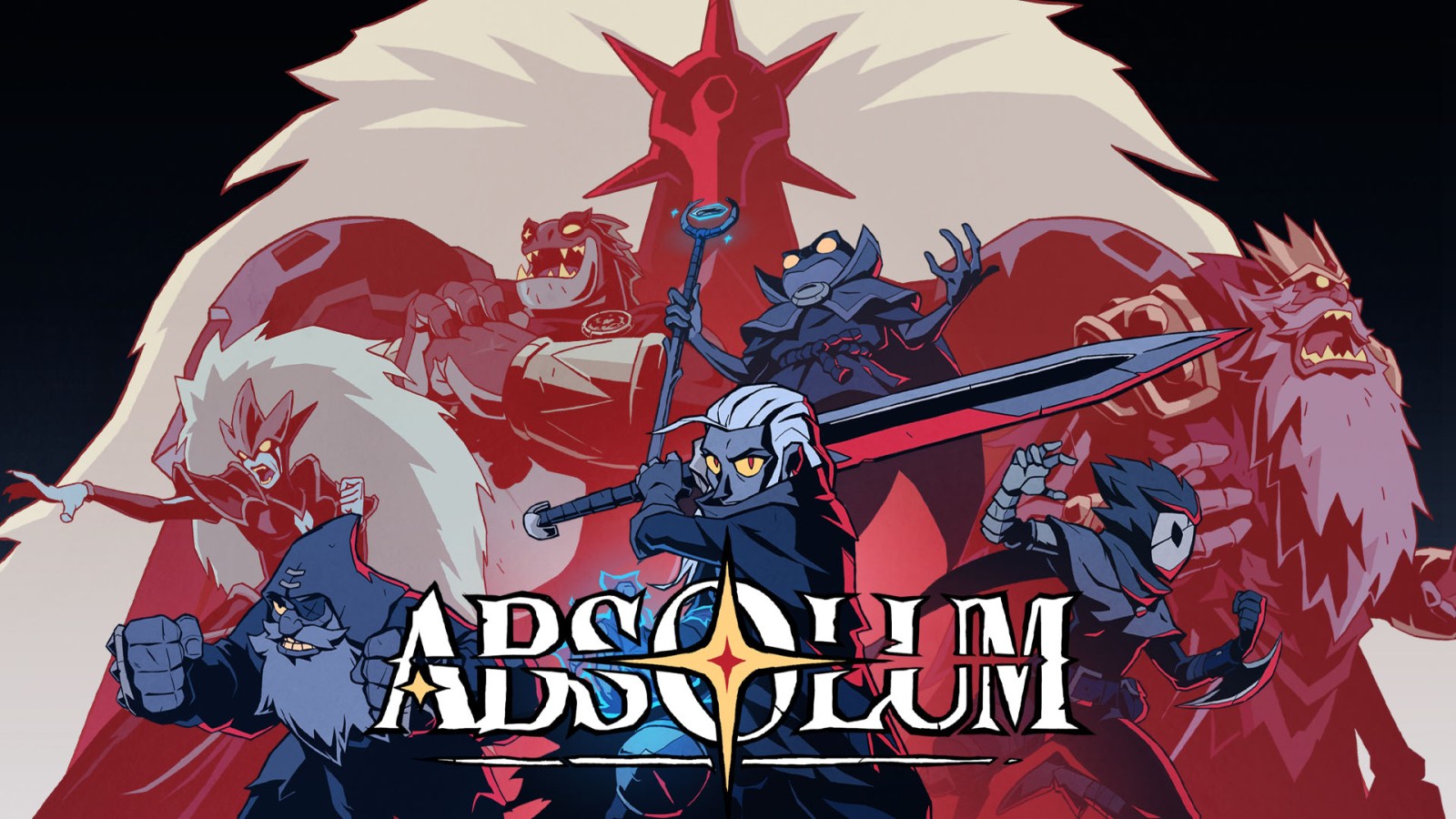
“Absolum”
2025 was a great year for roguelike games, with “Hades II” and “Elden Ring Nightrein” standing out. “Absolum” is definitely worthy of standing alongside them. It combines roguelike elements with classic beat ‘em up gameplay to create an unexpectedly unique experience that feels impactful and fun.
“Absolum” follows a crew of four warriors who fight against the tyrannical Sun King Azra in order to stop his evil ambitions. While initially simple, the plot becomes more nuanced as you learn more about Azra and the main characters. Both the worldbuilding and combat are enticing enough to keep you invested while you attempt run after run to eventually reach and defeat Azra.
It’s got deceptively deep yet straightforward buildcrafting that makes every run feel different from the last. On top of that, the colorful art style and banging soundtrack make every moment of “Absolum” feel like a painting come to life.
Absolum has that “just one more” feeling that keeps you motivated to keep playing. After working on “Streets of Rage 4,” co-developer Guard Crush Games has really proved themselves to be a premiere studio in the beat ‘em up genre and have what it takes to create a truly engaging original IP. – George Yang
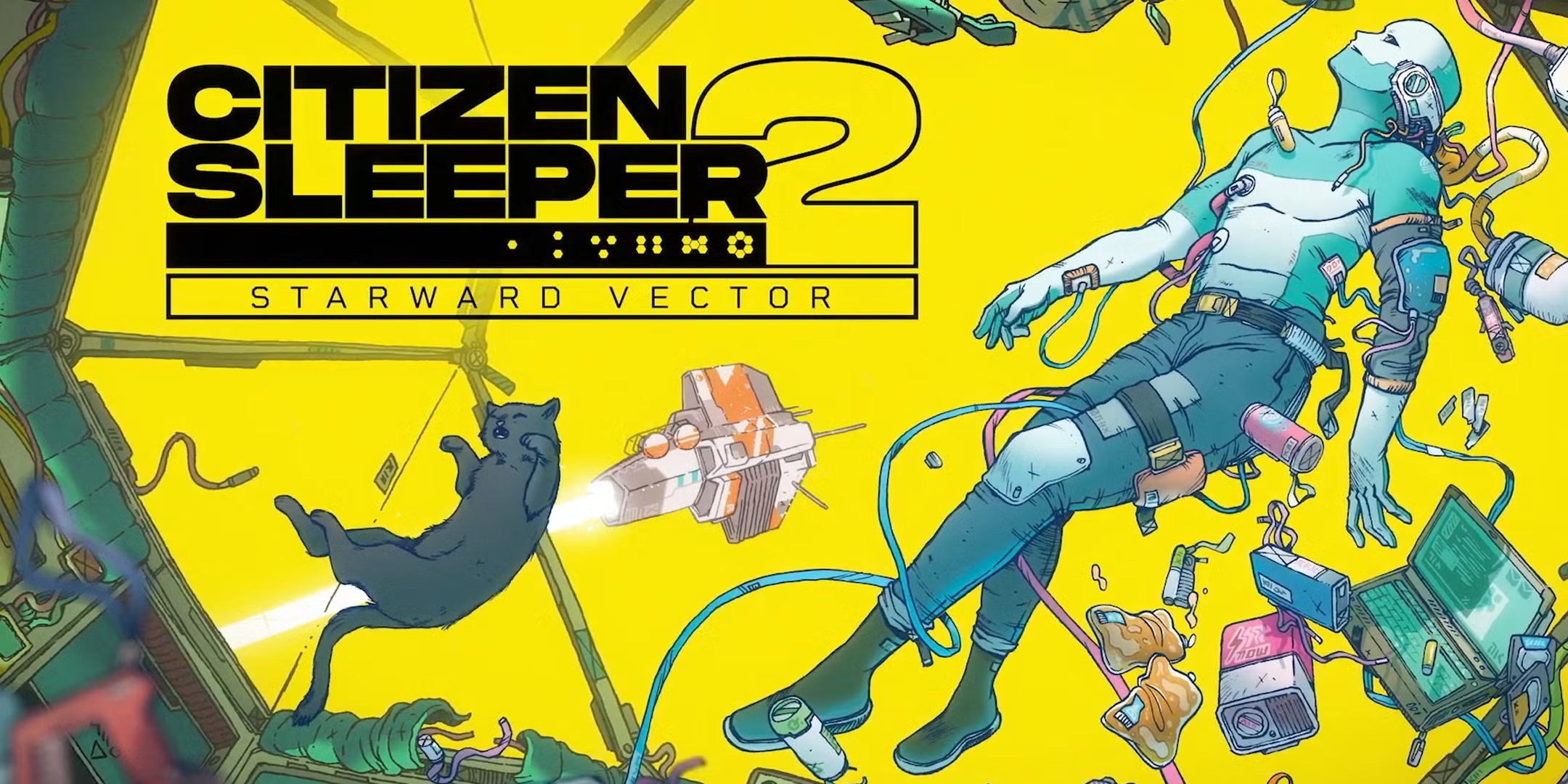
“Citizen Sleeper 2: Starward Vector”
“Citizen Sleeper 2: Starward Vector” is a lot like “Cyberpunk 2077,” but in space, and if it was more of a tabletop RPG instead. It borrows many familiar tropes from the cyberpunk genre, including a massive corporation taking over everything and using human robots called Sleepers as work slaves. But “Citizen Sleeper 2” puts an interesting twist on its premise and gameplay.
You wake up as a Sleeper and must roll dice in order to determine the successful outcomes of your daily tasks like fixing drones or clearing debris, as well as interactions with your crew. In the first “Citizen Sleeper,” players were confined to just one location. But in this sequel, you’re given access to a ship and can sail across the stars in order to find a better life for yourself. In the deep dark depths of space, “Citizen Sleeper 2” and its thoughtful writing show us that even in the most dire of circumstances, there’s hope, even if luck doesn’t always go your way.
“Citizen Sleeper 2” ups the ante by introducing even more tabletop elements than ever before. These include stress levels for your crew and glitch dice that encourage high-risk, high-reward approaches. The stakes are greater than ever, leading to more gratifying payoffs. – George Yang
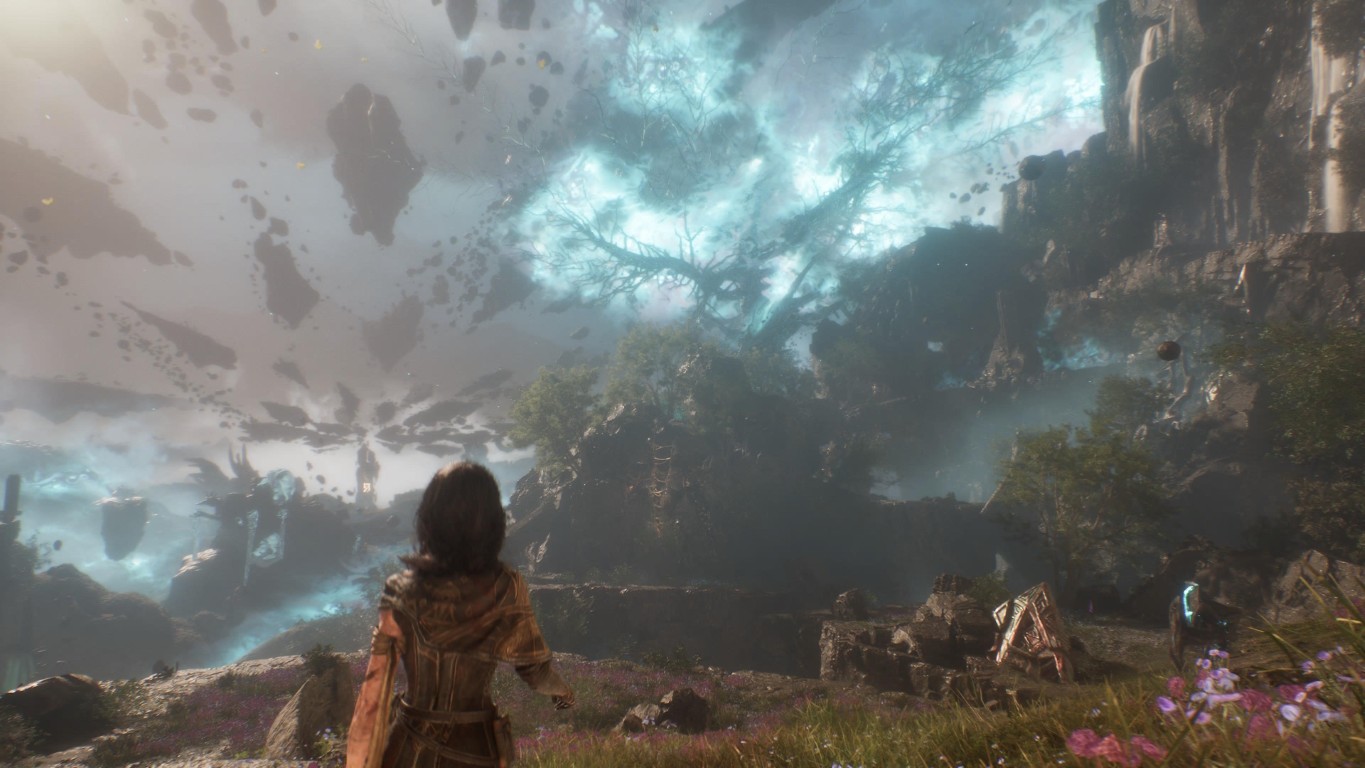
The Game of the Year winner is one of the most interesting stories of the current era of gaming, a project developed by former Ubisoft employees for a fraction of what most AAA games cost in the 2020s. Riffing off concepts pioneered by the “Final Fantasy” and “Persona” series, “Clair Obscur” reminds one of core tenets of successful games that are sometimes forgotten in an era of overblown budgets and rushed production schedules: telling a great story in a captivating world.
“Clair Obscur” introduces players to the members of “Expedition 33” as they try to defeat the Paintress before she kills everyone in an annual Gommage. Utilizing turn-based content, the player explores a world inspired by the Belle Epoque era, paintings come to life. It helps the enchanting nature of the game to have one of the best scores in years.
Not only is the setting of “Clair Obscur” the most memorable of 2025, but the characters became iconic as this game exploded in pop culture. Maelle, Verso, Monoco, Lune, Sciel, and even Esquie make up the most beloved gaming ensemble of the year, by far, and it’s the care put into their development and the reveals about their backgrounds and fate that really made “Expedition 33” special.
Ultimately, it just felt so rewarding to play a game in which the entire package was considered from character to voice work to music to setting. You can feel the love in every aspect of the production of this game, and that’s too rare in an age when so many releases feel more like content than art. – Brian Tallerico
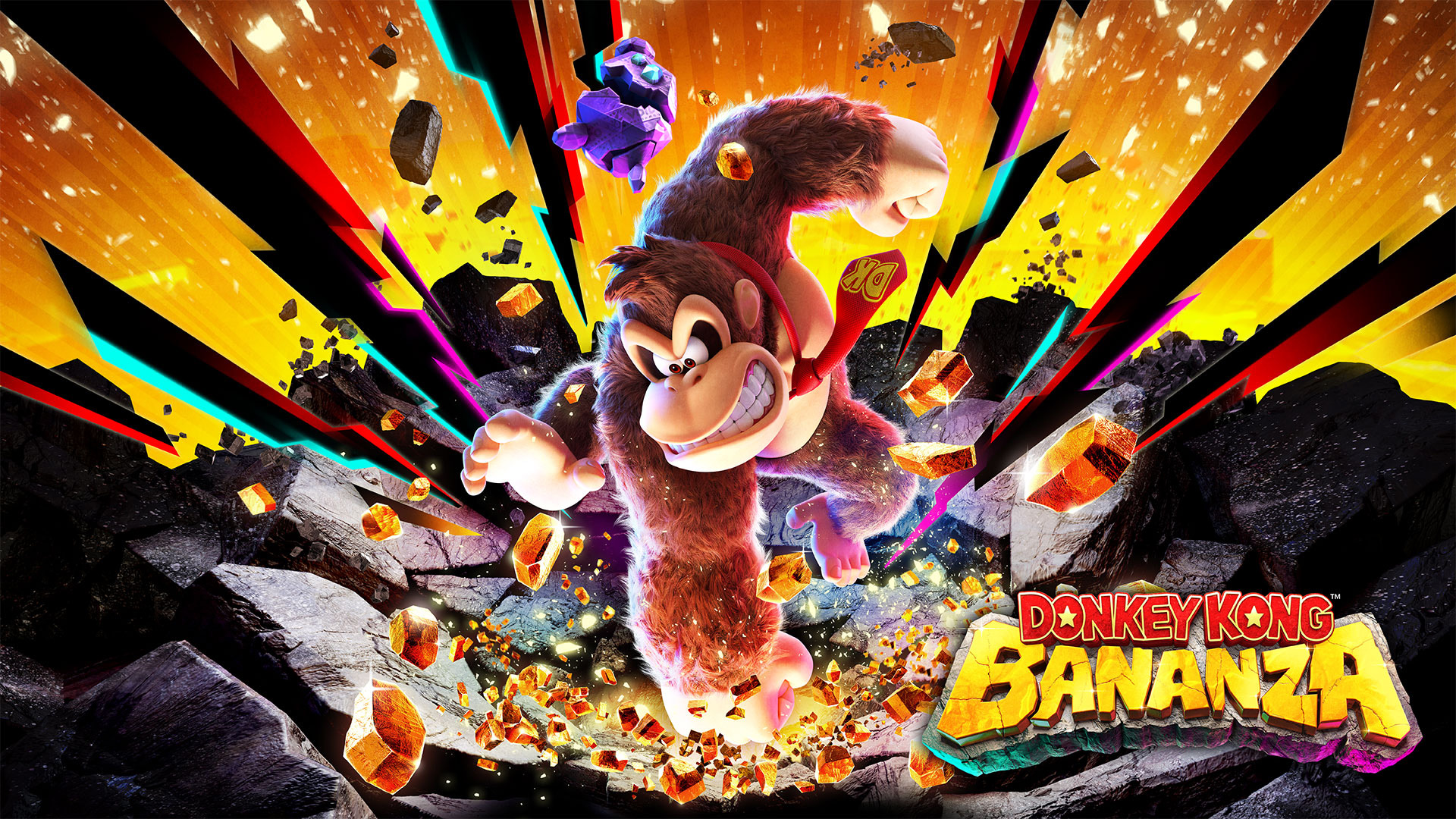
“Donkey Kong Bananza”
“Donkey Kong Bananza” takes the “Super Mario Odyssey” formula and dials it up to eleven. By focusing on the collectathon aspect of platformer games, “Donkey Kong Bananza” takes a rather simple gameplay loop of constantly smashing through objects and consistently adds new twists to it.
The game’s verticality is unique in ways many other games haven’t been since Insomniac’s “Marvel’s Spider-Man.” Each area is a never-ending playground filled with collectibles, secrets, and gold, and you can choose to smash how little and how much you want.
Young Pauline and Donkey Kong have such charming chemistry with each other. It’s an emotional full circle to see them working together as teammates given that Donkey Kong originally kidnapped her in his 1981 debut game.
“Donkey Kong Bananza” also has one of the craziest finales I’ve ever seen in a video game. None of the pre-release marketing even hinted at who the game’s Big Bad was, and so it was a genuine surprise when it was revealed, which made the appearance that much more satisfying. “Donkey Kong Bananza” also connects to another game on a meta level in a way that absolutely blew my mind. I won’t spoil things further, as you really need to experience it. – George Yang
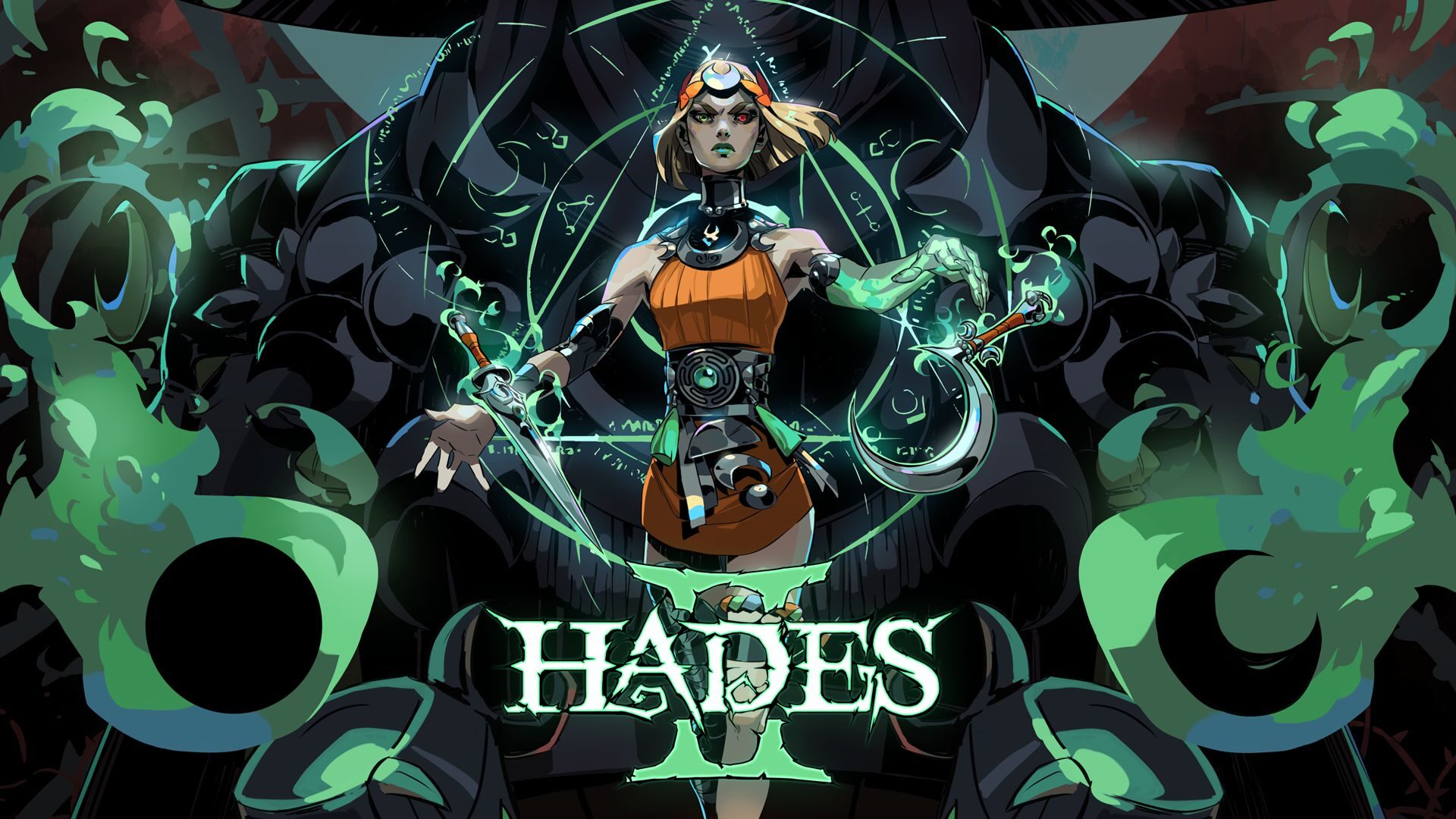
“Hades II”
Playing this incredible roguelike on the ROG XBox Ally X has been one of the most enjoyable experiences I’ve had in 2025. The system is perfect for quick pick-up-and-play encounters with a game built on repetition, a character who improves with each run through a changing gauntlet of enemies.
You play Melinoe, Princess of the Underworld and the sister of the protagonist of “Hades,” Zagreus. You start off in a hub before every run, intent on defeating the villainous Chronos, first through an underworld path that includes such unwelcoming places as the Fields of Mourning and then through a surface one that takes you to Mount Olympus. Like a lot of roguelikes, “Hades II” is about dying, getting a little better, getting a little further, and then dying again.
And yet it remains so captivating through all of these repetitive “Live. Die. Repeat.” attempts because the writing, art, and gameplay are so addictive. Along the way, you meet mythological figures from Icarus to Medea to Arachne, upgrading your skills and finding new ones to push Melinoe just a little further. There’s a Sisyphean aspect to “Hades II” that probably makes it like a chore, and it’s damn near a miracle how much it’s the opposite of that. – Brian Tallerico
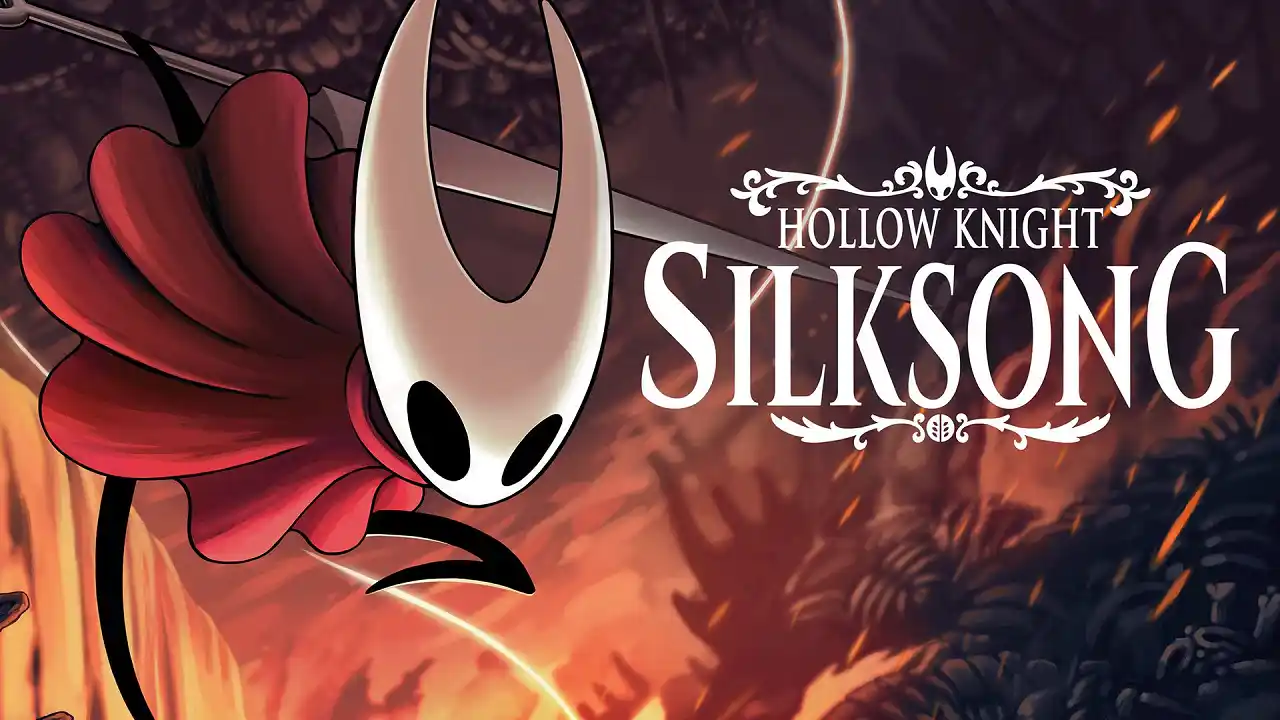
“Hollow Knight: Silksong”
There’s been some controversy over the difficulty spikes in “Hollow Knight: Silksong” that strike this gamer as completely legitimate given the curse words I hurled at my XBox while playing it. As someone who has played through almost every Souls game, including “Elden Ring” and its DLC, I have rarely been more frustrated by a game than I was by “Silksong,” which features some bosses that are stupidly challenging, especially deep in the second act. And yet it absolutely belongs on this list due to its creativity, incredible design, and addictive gameplay, even if that addiction sometimes feels like banging your head against the wall.
A sequel to 2017’s beloved “Hollow Knight,” this Team Cherry project introduces gamers to Hornet, a resident of the ruined kingdom known as Pharloom. As Hornet moves through the game, she learns about her connection to the “Haunting” that has afflicted the region and dies over and over again.
The truth is that “Silksong” could have just been a repeat of the first hit game, but it stands completely on its own, developing a dense lore and mythology within its gorgeously designed world. There’s something new and deadly around every corner as each chapter grants Hornet new powers to open new regions. The writing is sharp, the character design is memorable, and the gameplay is easy to learn but difficult to master. It’s a world that’s hard to leave, even though everything in it is trying to kill you. In other words, it’s a great game. – Brian Tallerico

“Kingdom Come: Deliverance 2”
The best part of “Kingdom Come: Deliverance 2” isn’t its setting, meticulously crafted though it is. It drops protagonist Henry, the son of a blacksmith and retainer to a foppish, self-absorbed minor noble, into the chaotic mire of medieval Bohemia’s civil war, and while there’s something to be said for the loving and detailed approach it takes to presenting 15th century political and social history, it’s not the kings and bishops that matter. It’s not really even the minutiae of your moment-to-moment choices, though that’s certainly a big part of the game. Whether you bothered to improve your education or learn how to dress properly might make the difference between whether you can save someone’s life or be forced to watch them die.
What really sets “Kingdom Come Deliverance 2” apart is its attitude toward the outcast. This is a game that wants you to understand not just how vile medieval antisemitism was, but the tools that those in power use degrade and “otherize” marginalized groups of people then and now. It places equal, if not greater, importance on the life of a misunderstood midwife as it does the good and the great of a prosperous township, who, it takes pains to show, are often not that great and rarely so good. And it does more than any other mainstream video game to explore the nuances of queer relationships, the fear of being open and vulnerable and the struggle of defying someone else’s norms. It’s an expertly crafted blend of setting, role-playing, and storytelling that raises the standard of what can be achieved in the genre. – Josh Broadwell
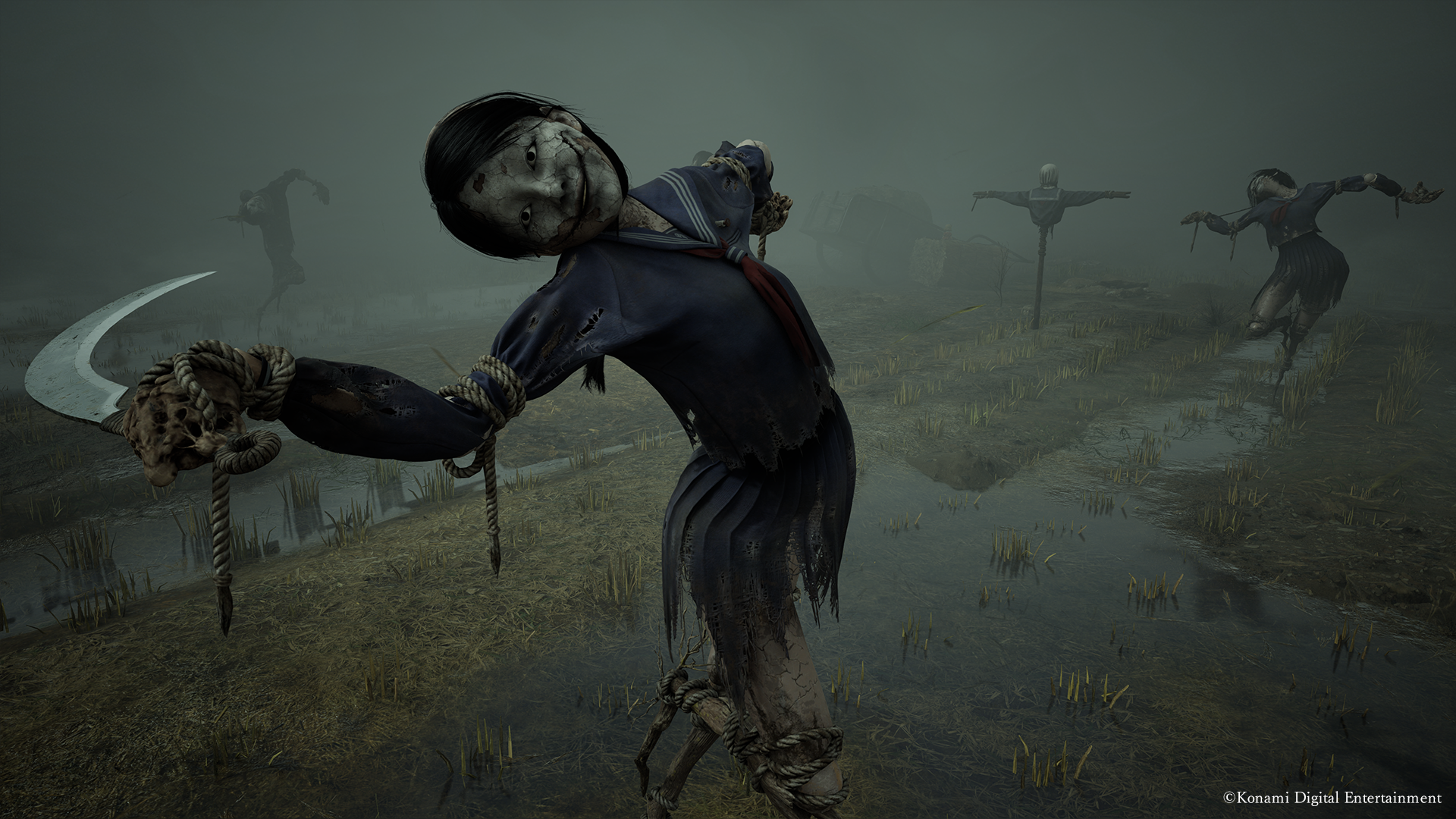
Everyone has expectations for Hinako, a schoolgirl living in a rural town in 1960s Japan and the protagonist of “Silent Hill f.” Her mother expects her to be submissive and docile in the face of abusive men, like she is. Her friend expects her “steal” their male acquaintance for herself. That male acquaintance expects her to expect more from him. And in the shadowy realm where Hinako’s mind retreats when the real world is too much to bear, a mysterious man expects her to do whatever he says. No one asked Hinako what she wants out of life — but then again, Hinako never told anyone, either. These daily frustrations, petty rivalries, and childish miscommunications fester and mutate into something horrendous that engulfs the entire town. And just when you think you grasp the root of the problem, you have to go over it all again. And again. And again, until Hinako learns how to make a better life for herself.
“Silent Hill f” is bold enough to assume you’ll play through it not just once, but five times to fully understand what’s going on. The confidence is justified, and not just on the basis of each play-through’s comparatively short, 10-ish hour length. Few video games recreate so artfully the tortuous rigmarole of going over and over something in your head until you find resolution (and truer knowledge of yourself), and none explore gender issues and human psychology with as much depth and frankness. – Josh Broadwell

In a year where the value of stories created and told by humans has been increasingly called into doubt, “South of Midnight” stands as a reminder that machines can never replace human creativity. Under the retro-style 3D platforming, “South of Midnight” is a story about the power of telling stories. The journey of protagonist Hazel is, ostensibly, about saving her mother after a hurricane sweeps their home into a river, but it’s really about confronting deeply held trauma and learning to heal—about the essential human need of telling your story to someone who understands.
Compulsion Games weaves Gullah Geechee folklore with “stories passed down from porch to porch and kitchen to kitchen” to create a folk landscape of its own, where creatures of myth born from countless tales passed down the generations give people the emotional knowledge to know themselves more deeply and, if not overcome, at least coexist with the darkness inside themselves. “South of Midnight” is also mature enough to know that empathy alone won’t fix someone, and it avoids twee little happy endings for everyone. Some things are beyond saving, but they become part of a story others can learn, and heal, from. – Josh Broadwell
from Roger Ebert https://ift.tt/3Pt8fEC
.png)


