
.png)
“Best Medicine” is not a good show.
I bring you this sad news as a Josh Charles fan. I can still conjure just how devastated I was when his Will Gardner shockingly departed from “The Good Wife.” And this new sitcom, with episodes inexplicably stretched to an hour, sounds, at least on paper, like it could be a good match for him–he plays Martin Best, of the beloved ITV show “Doc Martin,” brought to the U.S. for our convenience.
A big-time city doctor returning to the small town of his childhood summers (the fictional Port Wenn, Maine), Martin is supposed to be a loveable grump. Clearly a skilled doctor, he goes to extreme lengths to help his patients and manages to solve at least one medical mystery per episode. But he grates against Port Wenn’s community, finding himself against everything from the town’s only restaurant to its high school baseball team. A fear of blood only makes his situation that much more silly.
Unfortunately, “Best Medicine” fails to duplicate its source material’s charm. It translates the scaffolding, but none of the wry humor or heart, giving us a hackneyed, low-stakes adaptation.
Our weekly medical mysteries? They’re less “House” and more “where did the food poisoning come from?” And this town? It’s “Stepford Wives” perfect but earnestly so. There are no problems in Port Wenn that a baked-bean supper can’t fix.
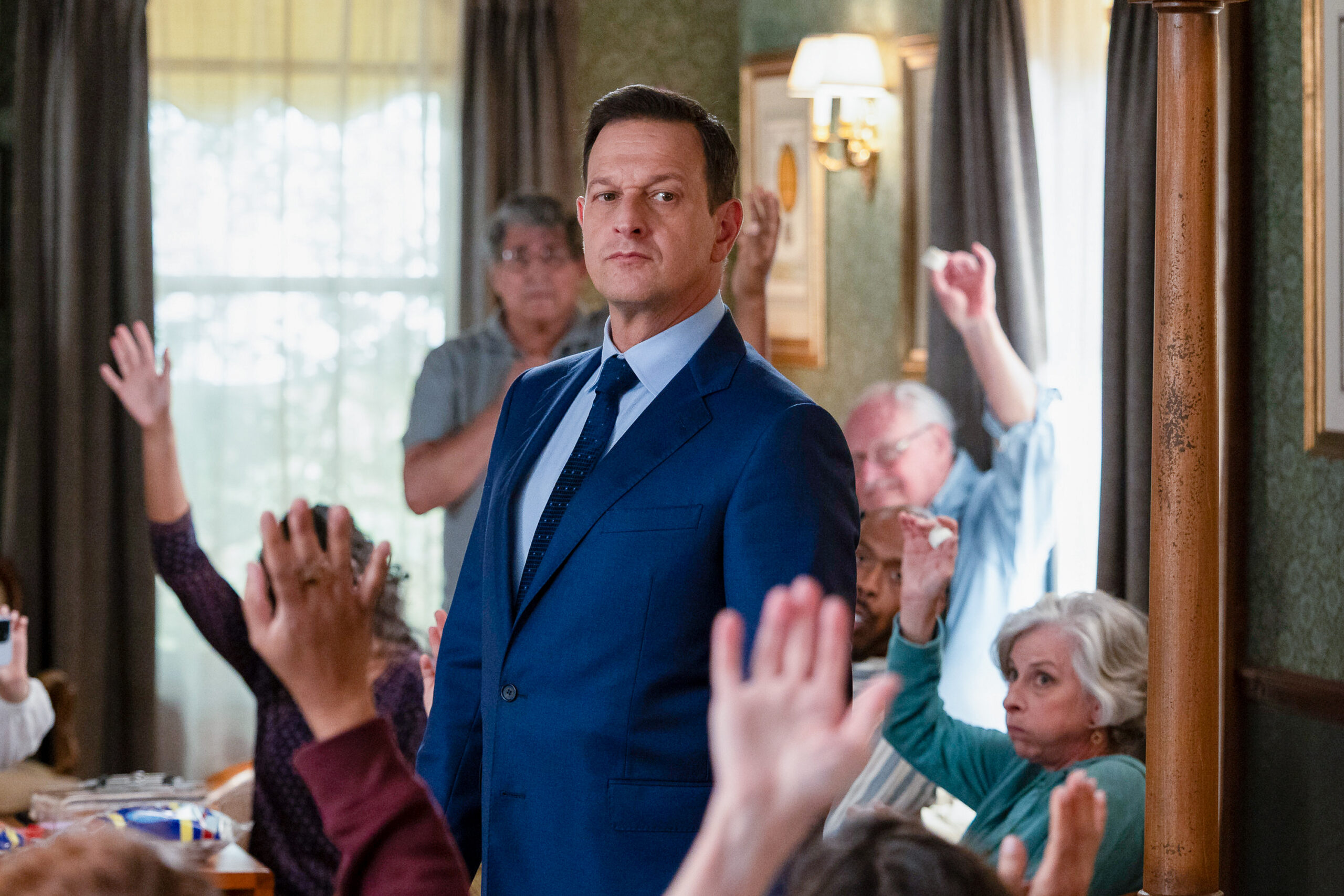
And baked-bean dinners they have–every month. For all the “Murders in a Small Town” we’ve had recently, “Best Medicine” feels entirely too confident dropping its doctor into a perfect community. There’s no racism, sexism, or homophobia, but rather a diverse cast of supportive townsfolk. There’s no loneliness either (except Dr. Best’s self-imposed isolation) for there’s a consistent stream of well-attended town-wide events.
“Best Medicine” does gesture at class struggle–the town’s rich guy is the closest thing we get to an antagonist. And there’s a moment where Abigail Spencer’s Louisa Glasson (who’s naturally the schoolteacher and Martin’s love interest) warns the good doctor that he should consider people’s economic situation when doling out his recommendations. He resists this sound advice as if folks don’t ever struggle to pay for things or find childcare or take a day off work where he comes from: Boston. It’s wildly out of touch and made more so by the fact that after these words are spoken, the show brushes off any economic concerns and continues with its earnest, everything-is-delightful approach to small-town life in the U.S.
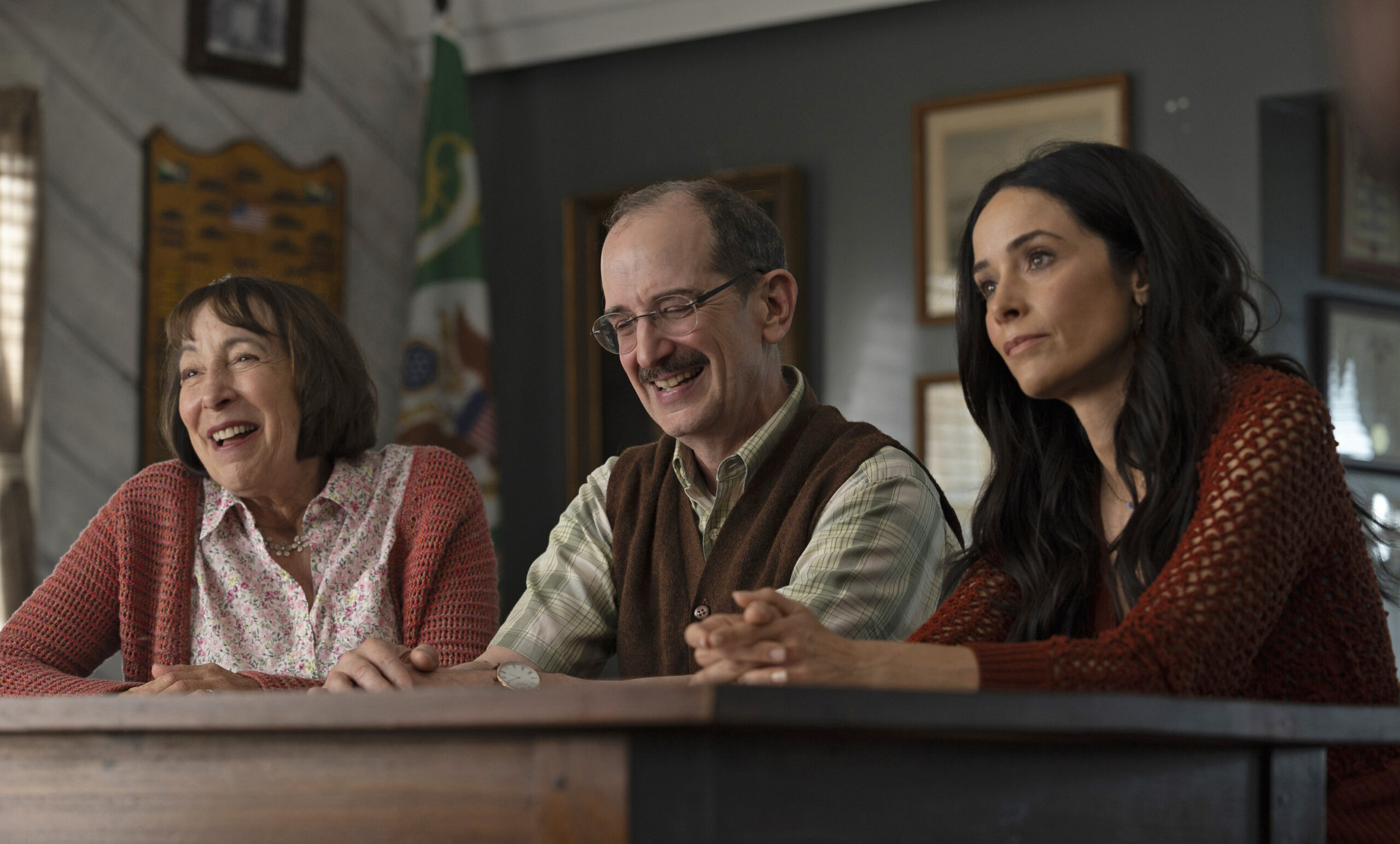
There’s no Walmart or low-wage work here. Our principal characters are the doctor, a teacher, and the sheriff, with the supporting cast including the doctor’s lobster-fisherwoman Aunt Joan (Annie Potts), the doctor’s assistant Elaine Denham (Cree), and the owners of the town’s restaurant, Greg Garrison (Stephen Spinella) and George Brady (Jason Veasey). They’re all doing great and are in no need of a safety net. And there’s no explanation of how Dr. Best gets paid, which doesn’t make sense without State-sponsored medicine.
Now, I’m not against a comfort watch. It is OK for things to be light and fluffy. But “Best Medicine” isn’t light so much as it is dumb. It feels like watching a child’s paper-doll reenactment of the original show with American accents. But it’s not even complex enough for me to watch with my nine-year-old.
In many ways, “Best Medicine” is less an adapted British comedy and more a serialized Hallmark Christmas movie in reverse – it’s a man who goes back to his small town and finds love. But this show lacks the wherewithal to make that gendered analysis. And it also lacks the corny, winking silliness of those productions that make them so beloved.
Instead, we’ve got a shallow, warmly lit world that promises comfort but delivers inanity. “Best Medicine” is a small, thin blanket of a show, terrible for curling up under, regardless of the season or your side of the Atlantic.
Four episodes screened for review. Premieres on FOX on January 6, 2026.
from Roger Ebert https://ift.tt/ZeBQl0s
.png)


