
.png)
As the United States celebrates its 250th birthday in the middle of a truly divided time for the country, there will be a temptation to watch directly patriotic films as fireworks splash across the sky. The pulse of films like “Independence Day” and even “Saving Private Ryan” will undeniably quicken this weekend, but these celebrations of the country’s perceived strengths feel a little different in an age when so many would argue that “Idiocracy” is the American movie of the moment.
An alternative approach to considering the United States at 250 is to examine how outsiders have captured this country through their filmmaking. Whether it’s exaggerating certain aspects of the American experience or simply embracing our broad canvas, directors born outside the United States have been captivated by it in ways that often provide a unique P.O.V. Several acknowledged masters have even done it more than once. This is not a comprehensive list, but an array of 10 memorable times that foreign directors looked at America, and sometimes even liked what they saw.
Note: I considered several great films directly about the immigrant experience like “In America” and “Brooklyn,” but those are so obviously informed by the director’s background in the plotting that they seemed too easy. It’s kind of a different subgenre.
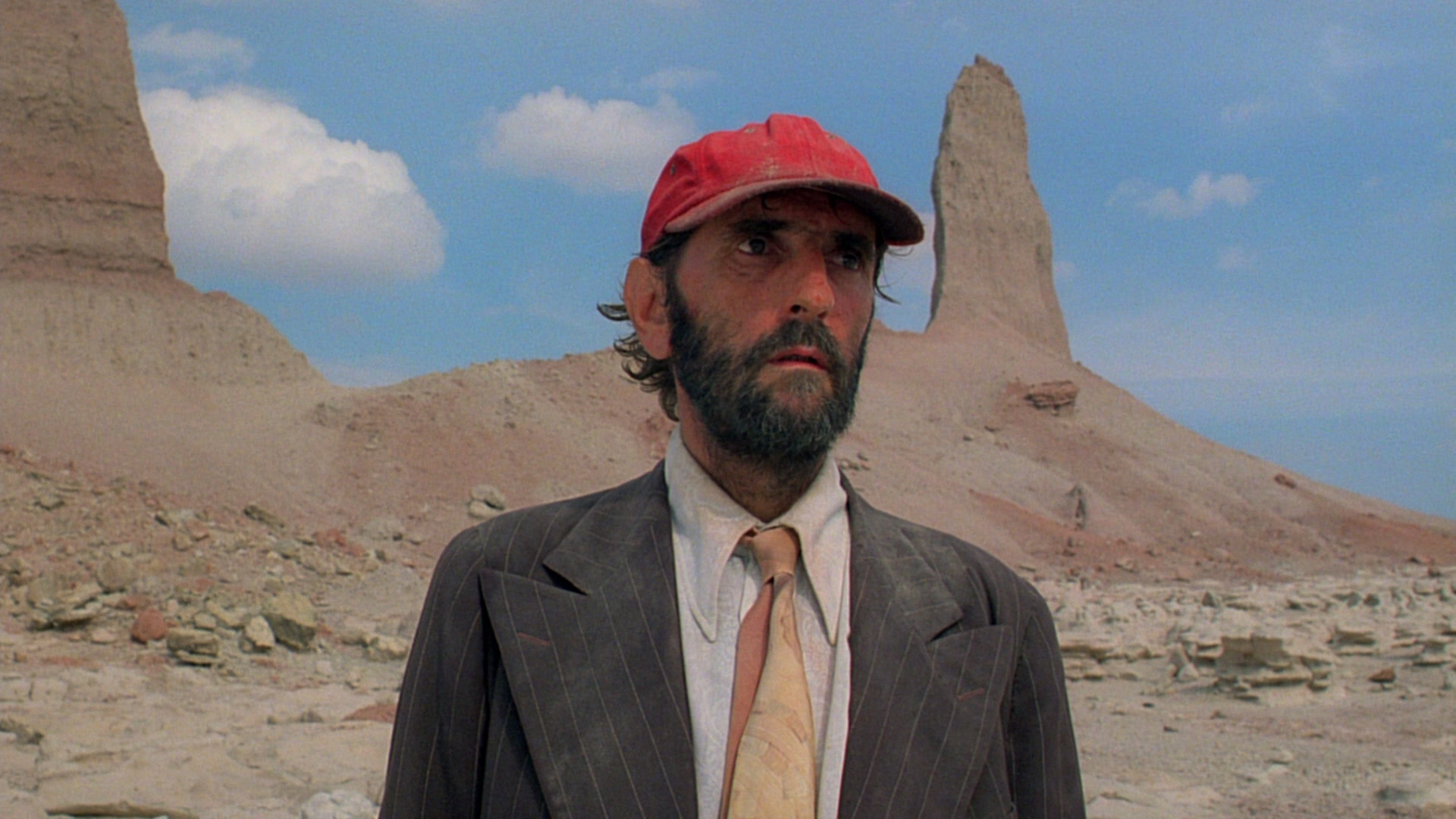
One of the most acclaimed “foreign films about America” ever made, Wim Wenders’ 1984 masterpiece stars Harry Dean Stanton (who turns 100 this month!) as Travis Henderson, a man who travels across the country with his brother Walt (Dean Stockwell) to find the mother (Nastassja Kinski) of his son. A German/French/U.K. production written by the distinctly American Sam Shepard and directed by the very German Wim Wenders: “Paris, Texas” was always going to be a bit unusual just through that collaboration. But that discordant connection is further amplified by the way the great cinematographer Robby Müller captures the American Southwest in all its unusual splendor. It’s a place that can be both majestic and terrifying in its scope, somewhere a man like Travis Henderson can get both lost and saved.
The story goes that Wenders had been scouting in the Western United States for another film and took photos of the region, including the city of Paris, which the film only mentions but never visits. When he went to work with Shepard on a potential collaboration on the director’s 1982 film “Hammett,” they developed the story together. Elements of John Ford’s work found their way into Shepard and Wenders’ approach, which owes a great deal to the Western, but it’s the visuals that give this film such a unique aesthetic. An imposing sense of desert ambiance through the sound design and a great score by Ry Cooder amplify the haunting Americana of it all, too.
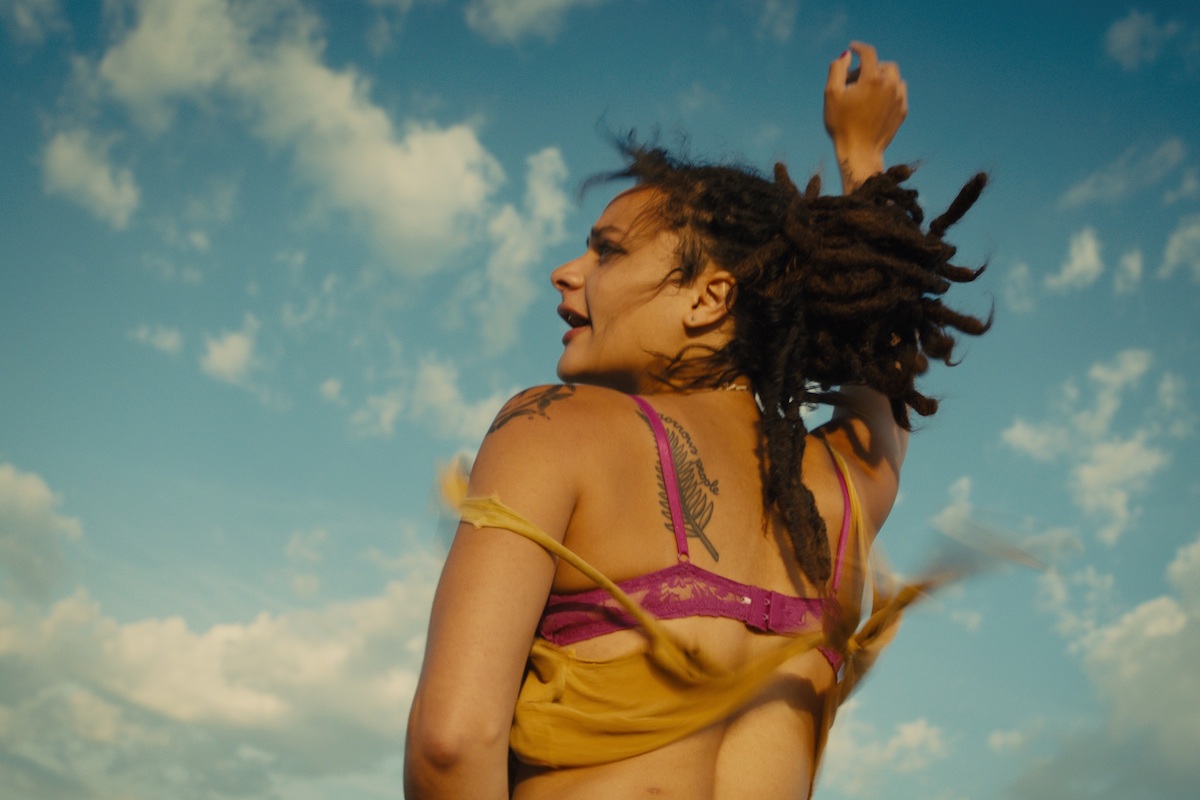
A very different kind of American road movie unfolds in English filmmaker Andrea Arnold’s 2016 coming-of-age epic, a masterful study of American freedom in all its wonder and pain. Sasha Lane plays a runaway named Star, who hooks up with a group of similar kids who cross the American heartlands, selling magazine subscriptions door to door. The thin narrative skeleton is just something on which Arnold can hang her energetic filmmaking, buoyed by a music-heavy soundtrack that accompanies this study of exuberant youth. Arnold’s film isn’t naïve, but it does tap into something about what it means to be young in the age of the side hustle that American directors often miss.
Shot across Kansas, Oklahoma, Missouri, and Iowa, much of “American Honey” was improvised by its cast, with many of the on-screen interactions between Lane and the rest of the young cast drawn from their own realities. The result is a film that feels both like an exaggerated vision of the freedom of American youth and an intimate, realistic one: the endless potential of the American heartland’s expanse contrasted with the human stories unfolding in small towns and at rest stops along the freeways that intersect it.
“RoboCop”
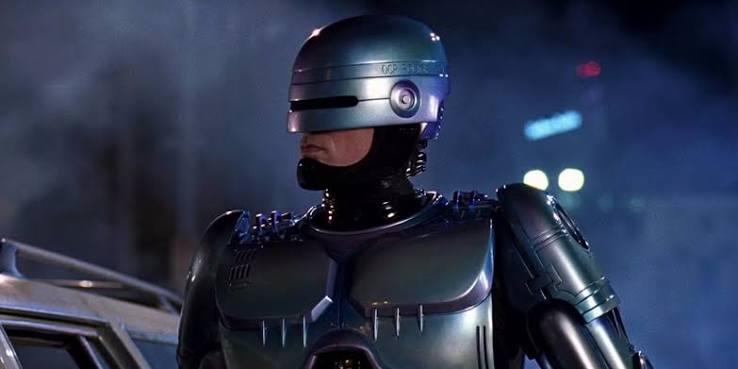
Foreign directors have been giving movie fans visions of the future in which the country could be called unspecified, but not Paul Verhoeven’s “RoboCop,” which is a direct deconstruction of American Capitalism and macho U.S. masculinity as much as it is a kick-ass action movie. Dismissed by some at the time as just another part of the fabric of the American action blockbuster experience dominated in that era by Sly and Arnie, “RoboCop” is much more than just a shoot-em-up, a film that has developed a deserved reputation as one of the smartest sci-fi/action flicks ever made. It’s one of the most prescient films of the ‘80s, a movie that foresaw how technology would dehumanize people, valuing perceptions of justice and profit over humanity.
Peter Weller plays Alex Murphy, a Detroit cop who is murdered by a gang, resurrected by Omni Consumer Products in the form of RoboCop, a killing machine who doesn’t have to worry about little things like the Constitution or due process. Extremely violent, especially for its time, it’s very clearly a commentary on Reagan-era America, but Verhoeven’s background gives it a different edge than it would have had with a U.S. filmmaker. In a sense, it’s a case of a foreign director dropping right into the era of Reaganomics and patriotic American action films, exploding both with a muzzle flash.
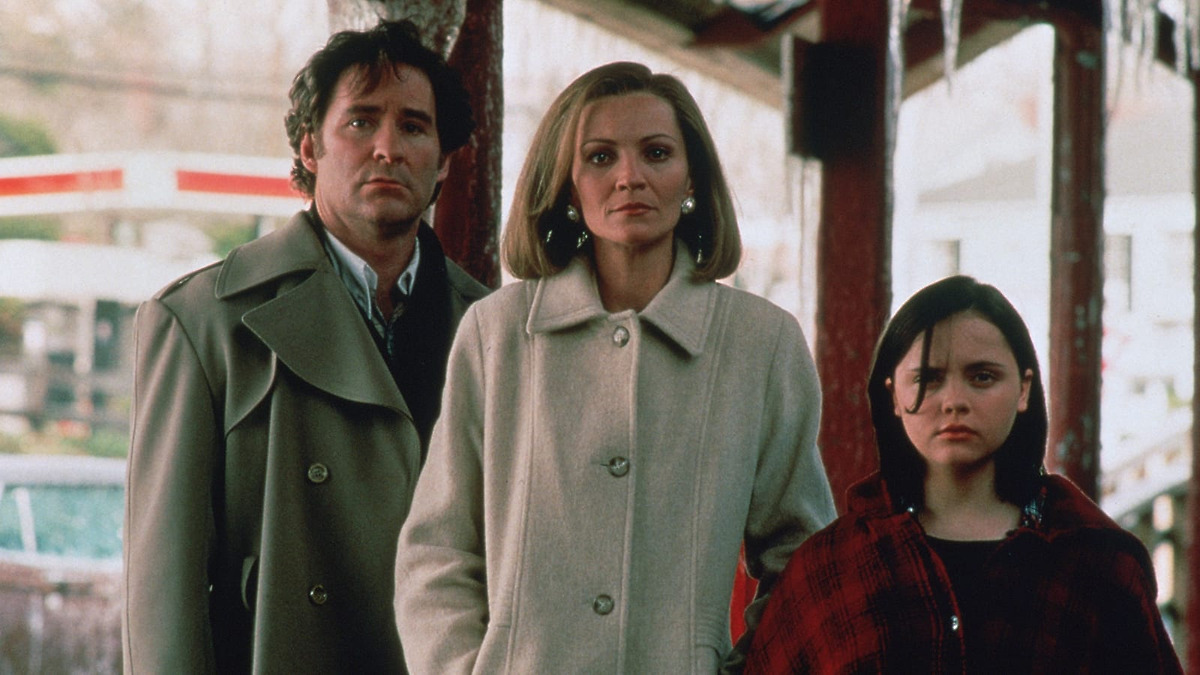
Starring Kevin Kline, Sigourney Weaver, and Joan Allen, “The Ice Storm” is a story of infidelity and tragedy, but it’s the subtle manner in which director Ang Lee approaches the material that keeps it from its potentially melodramatic trappings. He made a film in which secrets corrode from the inside more than explode, one that doesn’t get as surreal as many of the Outsider America films on this list but feels like it would have had a distinctly different tone if made by someone born and raised in the Connecticut region in which it was set. Sometimes we need an outsider to really see what’s on the inside.
One of the best films of a very good year in 1997 (it was Gene Siskel’s #1), Ang Lee’s adaptation of Rick Moody’s 1994 novel has always felt like its artistic success owed a great deal to its filmmaker’s Taiwanese upbringing. The Oscar-winning director of “Brokeback Mountain” and “Life of Pi” had made several films before this one about repressed emotion and fractured domesticity, and it took the approach he honed on films like “Eat Drink Man Woman” and “The Wedding Banquet” (and even “Sense and Sensibility”) to make Moody’s intimate novel into something cinematic in a way that a traditional American filmmaker couldn’t have.
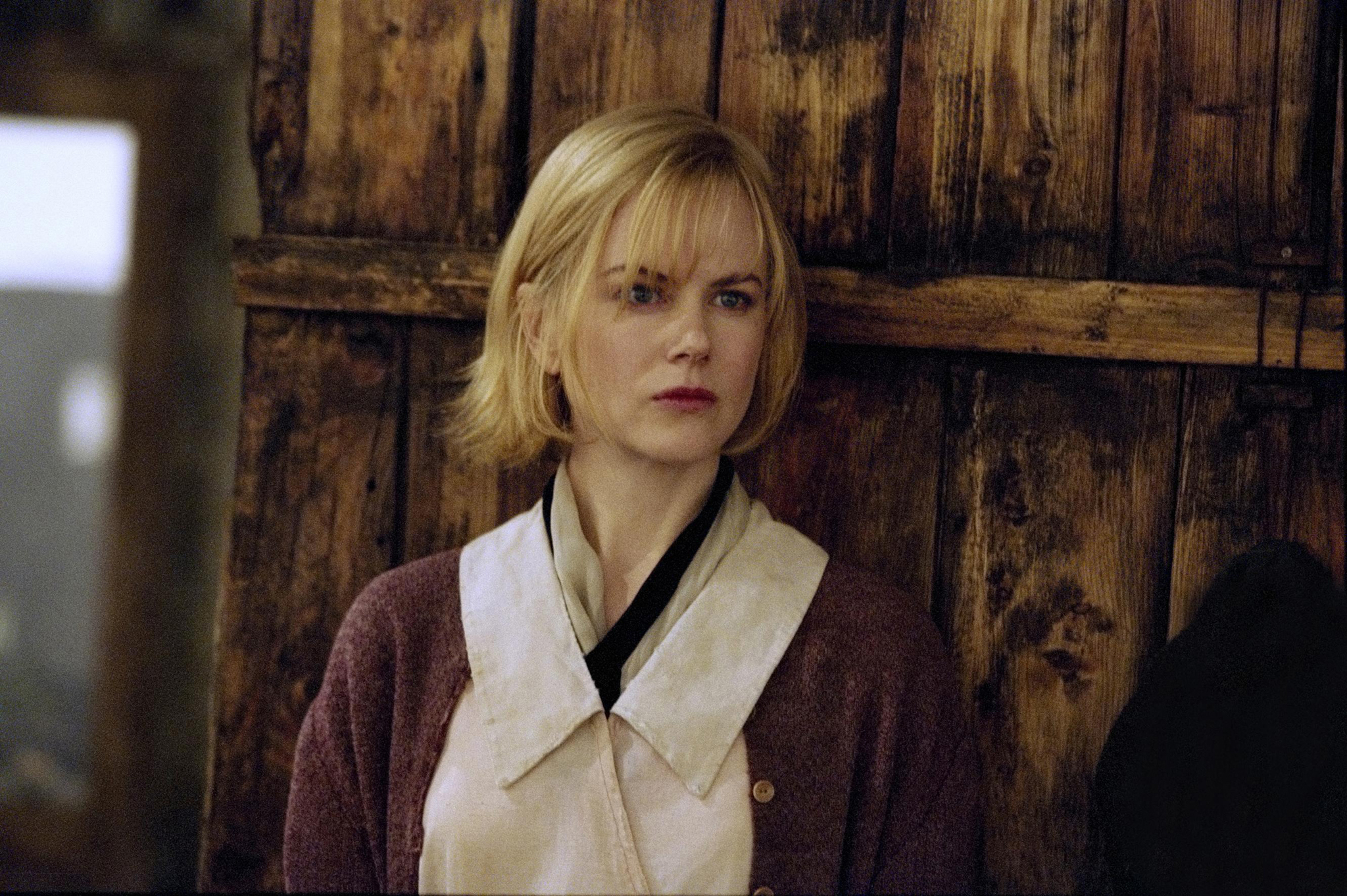
“Dogville”
Cinema’s enfant terrible, Lars von Trier, certainly wasn’t about to make a movie that simply spelled out his feelings about the United States, although it’s impossible to read “Dogville” as anything but a vicious castigation of the world power, even before it ends with a needle drop of David Bowie’s “Young Americans”. To be fair, some viewers might have been caught up in the filmmaking conceit of “Dogville” too much to really unpack what it was saying: The whole thing takes place on an obvious soundstage, amplifying its theatricality in a Brechtian manner that aligns with Von Trier’s Dogme experimentation.
Part of an intended trilogy known as “USA: Land of Opportunities” with 2005’s “Manderlay” and a third film, “Washington,” that never got made, “Dogville” stars Nicole Kidman as Grace, who finds her way to the titular location after being chased there by mobsters. She’s put to work, used, and abused; her need for protection turned into an asset for the townspeople to exploit. It’s such a violent, vicious movie that ends so darkly that some critics saw it as downright anti-American, but that’s too dismissive of a dramatically daring work. It’s a study in how this country uses poverty and need when it can see a way to commodify them for labor or control. Since its release, its reputation has only grown, with most now citing it as one of Von Trier’s best films.
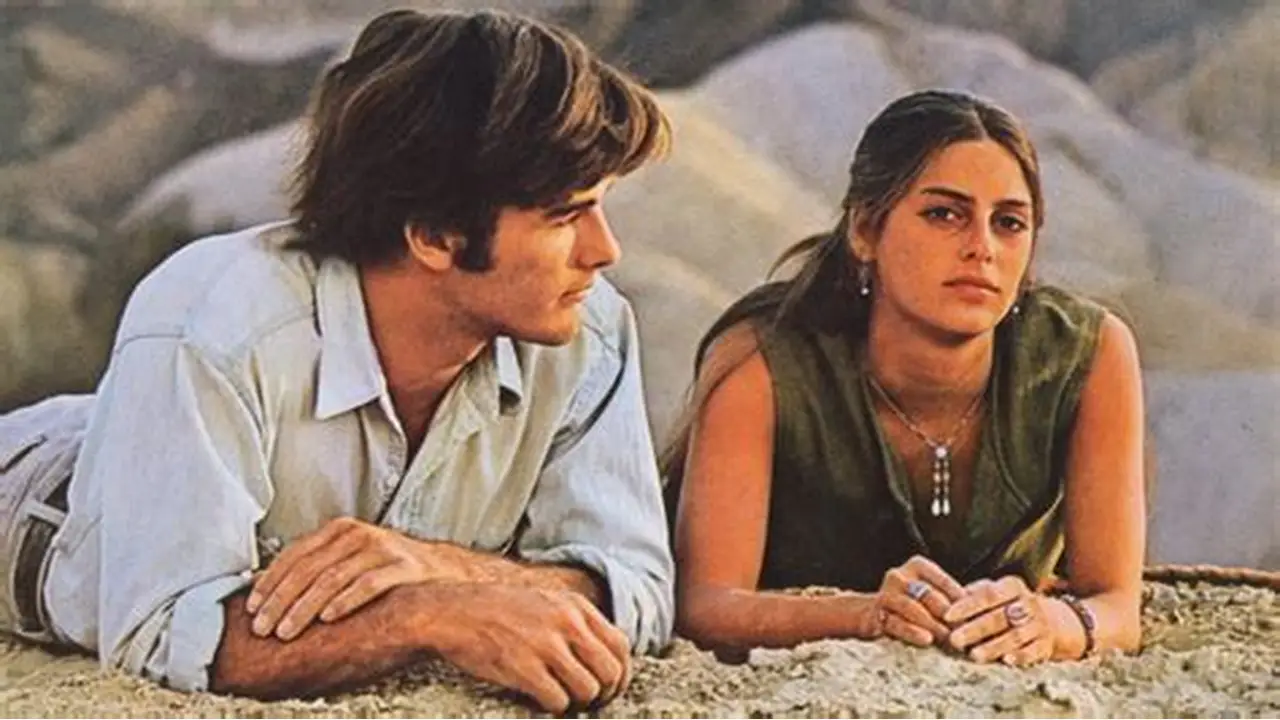
Speaking of films about America from foreign directors whose reputations have shifted, that has undeniably happened with Michelangelo Antonioni’s 1970 drama, a movie that was downright loathed upon its release but has earned a critical reappraisal across subsequent generations. How much have people come around on “Zabriskie Point”? In the same decade it was released, it was featured in a book titled The Fifty Worst Films of All Time.
Over a half-century after its release, people have come around to Antonioni’s vision, one that takes a look at the counterculture movement of the late ‘60s and early ‘70s through a European lens. Writer Sam Shepard was involved in the screenplay for a film about campus life in the ‘60s that marries Antonioni’s eye with an almost stream-of-consciousness unpacking of American issues like student protests and a country obsessed with firepower. Like almost all critics, Roger disliked the film, saying, “Their voices are empty; they have no resonance as human beings.” Generations later, that kinda feels like the point.
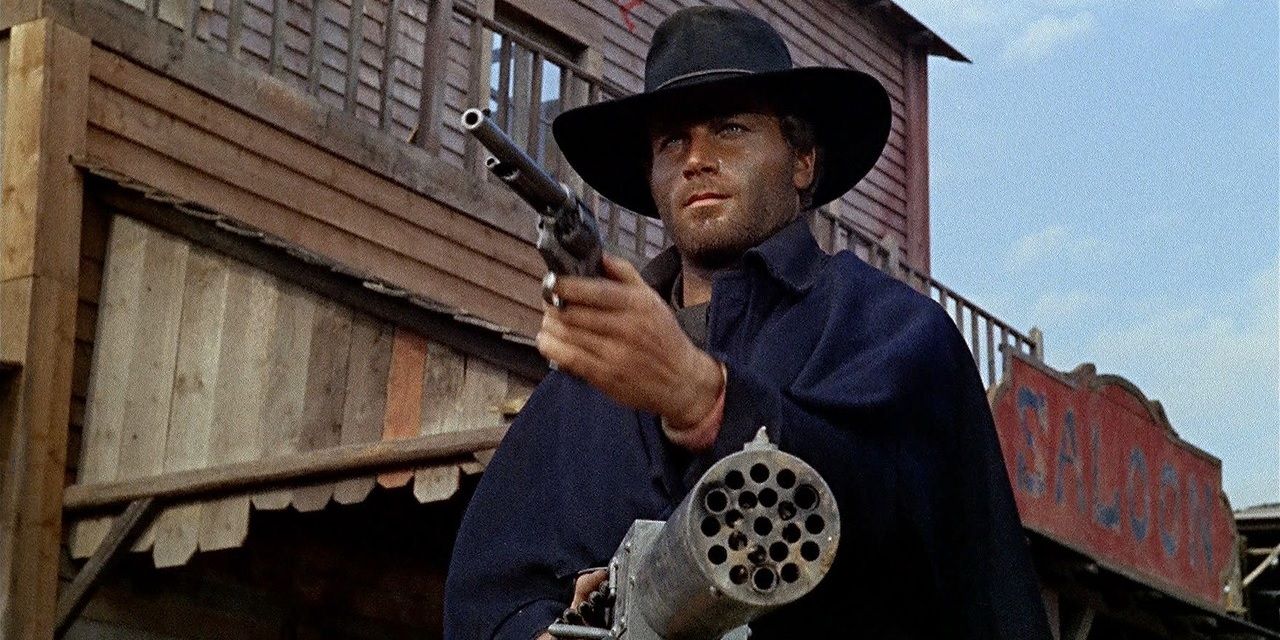
“Django”
There are a number of films set in the American West made by foreign filmmakers (definitely check out “Slow West” when you can, and Leone’s “The Good, The Bad, and the Ugly” deserves its place in the pantheon, of course), but this film represents them all through its sheer bravado. Sergio Corbucci’s influential vision introduced the world to Franco Nero (still working as recently as last week’s “In the Hand of Dante”) as the title character, a Union soldier who ends up in a battle between Confederate Red Shirts and Mexican revolutionaries. It’s a film that could be categorized as more of a “border movie” than an “American one” if it weren’t for the manner in which Corbucci injects so much dark imagery from this country, including KKK iconography.
Exceedingly violent for its time, “Django” was too easily dismissed upon release but gained a following over the years as its combination of brutal violence and Corbucci’s painterly eye made for a mesmerizing blend. It’s an angry movie, one that uses American history to tell a story of pain and redemption. It’s not a coincidence that Quentin Tarantino would use the same name for another story that recontextualizes American history through extreme violence in “Django Unchained.”
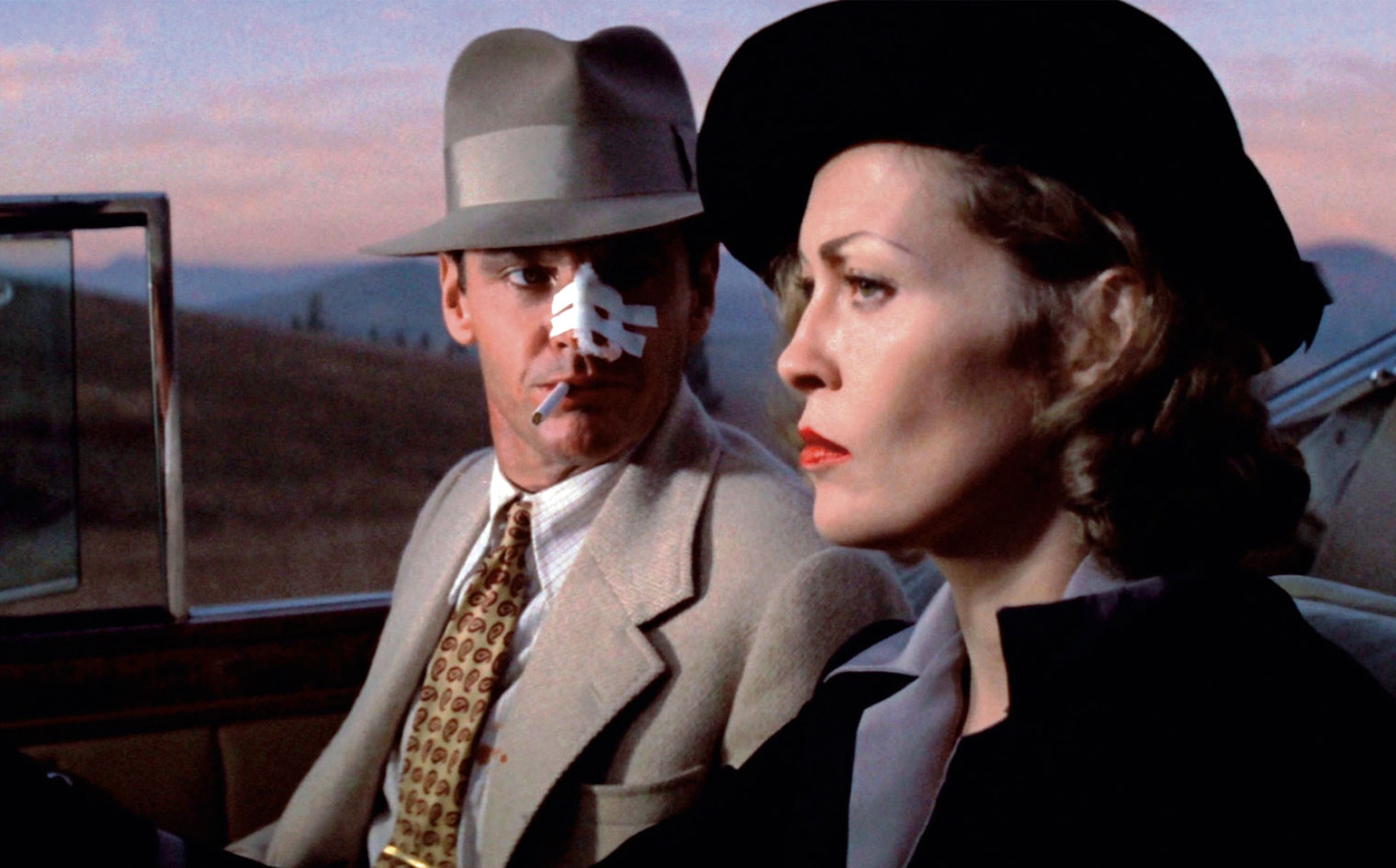
Roman Polanski’s upbringing and its intersection with the rise of the Third Reich have always felt like significant factors in unpacking this beloved story of displacement, corruption, and unchecked power. Screenwriter Robert Towne was inspired by the actual Owne River Valley scandal of 1908, one that led to a land grab that resulted in the formation of Chinatown, and the film is loosely based on the water wars of the 1930s in California, but it’s all filtered through a foreign auteur’s vision. At its core, “Chinatown” is that very American of genres, the noir, but it deconstructs so many of its tenets, including turning the femme fatale into a victim herself, and emphasizing that it’s the broken systems of this country that will always win.
If Polanski just wanted to make a traditional historical noir after the success of “Rosemary’s Baby,” this film would have played a lot differently. Not only does the displacement of Polanski’s youth influence the tone here, but the way he captures the Oz-like nature of Los Angeles feels unique to someone who had to travel there from his own Kansas. As Roger said in his Great Movies essay, “Los Angeles, a city born in a desert where no city logically should be found.” It took a foreigner to craft this vision of an impossible city.
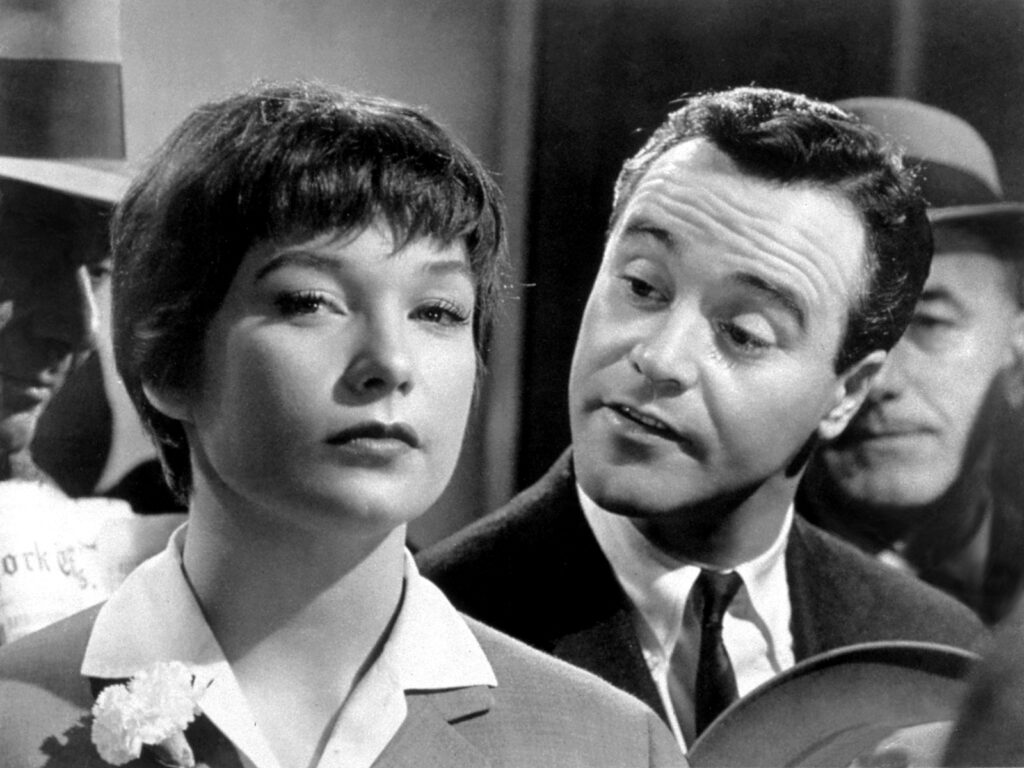
Austrian master Billy Wilder made a number of films set in America, but this 1960 masterpiece feels like his most strident commentary on the underbelly of his chosen country. One could make a case for “Double Indemnity” or especially “Ace in the Hole” to take this spot, but there’s something insidiously American about the story of “The Apartment” in how it looks at how the corporate machine can grind up those who attempt to use it. Jack Lemmon plays an insurance clerk who allows the people who employ him to use his apartment to cheat on their wives. When he falls for an elevator operator played by Shirley MacLaine, he doesn’t know she’s the mistress of his company’s head of personnel.
One of the first true examinations of how work and life would increasingly become untied in the American populace, “The Apartment” is both funny and heartbreaking, a movie that’s somehow light on its feet while also being remarkably dark in its subtext and themes. As Roger pointed out in his Great Movies essay, Lemmon and MacLaine’s characters are both “slaves to the company’s value system.” He also says something so perfect here and gets at why a Wilder film needed to be on this list: “Wilder pictures don’t play as period pieces but look us straight in the eye.”
“Stroszek”
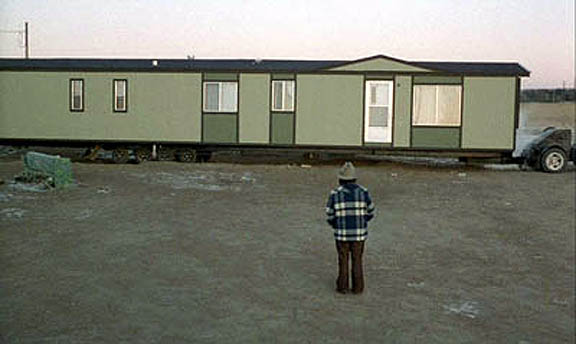
Werner Herzog has made several films that could take this spot, but his 1977 comedy is his most aggressively American, at least what it was a half-century ago. Bruno S. plays Stroszek, a West Berlin street performer who moves to Wisconsin with a prostitute named Eva. Shot in Wisconsin and North Carolina, “Stroszek” was filled out by local non-actors, giving it almost a non-fiction feel as Herzog and his leading man, playing a variation on himself, explored what it means to be an American. This one could arguably fall into the disclaimer at the beginning of this piece regarding immigrant stories, but it’s such a unique vision of unheralded corners of the country that it feels like it should qualify. And we gotta have a Herzog.
Like a lot of Herzog’s work, “Stroszek” is a strange genre hybrid in which one can feel the lines blurring between reality and fiction. Ebert tells the story in his Great Movies essay that Herzog and the beloved Errol Morris were going to dig up a grave on Ed Gein’s property, but the documentarian never showed, but Herzog stumbled onto the mechanic shop that would serve as a setting for the film. There’s a reason that Ebert called it “one of the oddest films ever made.” He smartly notes that Herzog seems to be adding detail on the spot, letting the film and its setting take him where they want to go. How very American.
from Roger Ebert https://ift.tt/uoQfmXT
.png)


