
.png)
Fans of the book by Alice Kellen probably already know–Netflix’s “The Map of Longing” is more “The Fault in Our Stars” than “Bridgerton.” Yes, the Spanish series is adapted from an adult romance, but it brings a certain teenage melancholy, even as its characters are ostensibly in their 20s. So expect more earnest coming of age (think the driver’s test) and less randy fun (the sex is pretty tame, even if we do see more flesh than U.S. audiences are accustomed to).
The premise goes something like this: Greta Álvarez (a charming Alícia Falcó) believes she was born with a purpose–to save her immunocompromised sister Lucy (Georgina Amorós). But it doesn’t work, and Lucy dies in her early twenties, leaving behind a grieving family who has to figure out what life is like when the departed sister’s illness is no longer organizing their days.
The show opens after all the business of dying is done, with Greta, her mother (Laia Marull), and her father (Mario de la Rosa) stuck in their grief as they’re supposed to be carrying on. Then a handsome stranger arrives–Will Tucker (a brooding Pablo Álvarez)–with a game from beyond the grave, containing a series of challenges that Lucy created to help her family process their loss, and hopefully, live loudly and bravely.

It is maudlin and overwrought. This is a series filled with golden light and twee settings from Will’s cozy trailer to the hip but quiet bar where he works. But it also has quite a lot to say about the contours of grief. It’s hard not to shed real tears as Greta processes hers–the finality of her loss and the way it ricochets out across her life feels both real and too much to bear. And the setting reflects this: her home is a mess, where unwashed dishes and discarded tissues rule. She has to leave to find some light, but she also has to return to address her sadness at its roots.
The series is smart in portraying the family’s different responses as all valid. Her mother watches TV all day in a trance, deep in depression. Her father goes to work and seems to be functioning, even as he’s clearly avoiding his family and emotions. Greta, meanwhile, sets out to process her loss through Lucy’s game. She’s initially reluctant to accept her sister’s help, talk with Will, or participate in therapy. But she trusts her sister and slowly progresses to a better emotional relationship with her loss, thanks to the strength of their bond.
Sadly, “The Map of Longing” has neither insight nor curiosity in the male condition. Will appears as a handsome, mysterious stranger, and that’s the character at its most dynamic. In the second act, he shares his mysterious past, but the reveal makes no sense, turning him from a private person to an impossible fantasy. The show argues that there are “two Wills” and a brush with tragedy changed him–but the transition is too severe to believe. And the six-part series only gives a passing phrase as a way of explanation for how Will, who seems so gentlemanly and sensitive, could ever have been so callous in his past. The audience is simply to believe the delusion that his interactions with the Álvarez sisters could change his very being–from the way he stands to what he values–with their love and acceptance.
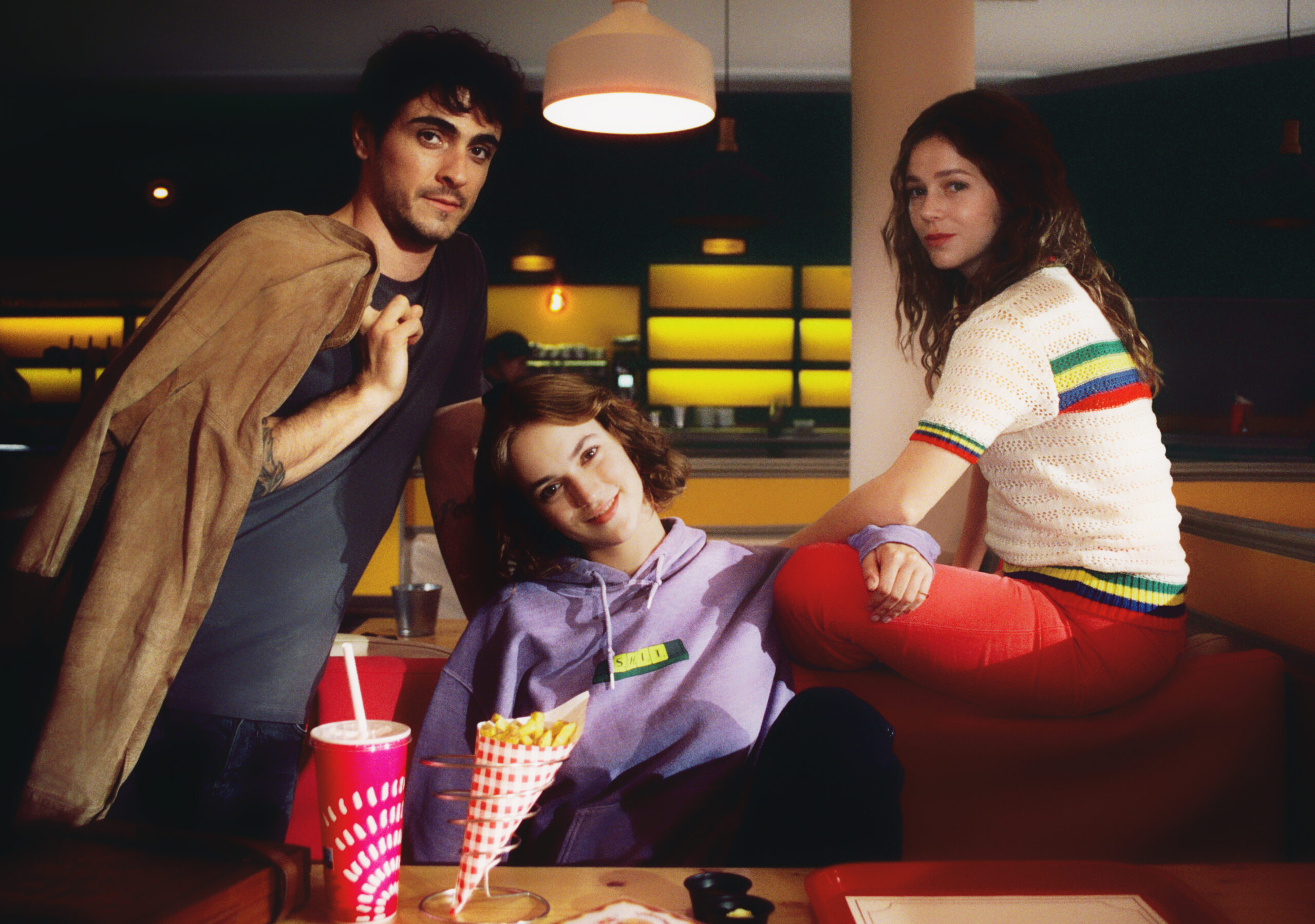
It’s pure fantasy, and an immature one at that. The first episode leans into this adolescent approach, making Greta the plucky heroine of too many Disney films, the one who talks too much, doesn’t know her own limitations, but somehow solves her problems with doe-eyed resourcefulness. Thankfully, in the second hour, “The Map of Longing” already starts to move away from that characterization, letting Greta feel and question in ways that match her situation and not the dream of it.
Falcó does a strong job here, even as she’s stuck with a series of strange costume choices like bad bangs for both her past and her future self. She gamely takes on her character’s plucky disposition, finding depth as her writing gets better, and showing a slow transition in fits and starts as Greta heals. She also has excellent chemistry with Álvarez, who is more likely to overplay his hand and is unable to coalesce his fractured character into a recognizable human being.
Still, it’s hard not to root for this young woman to get everything she desires—including the handsome Will, who, within this universe, certainly won’t harm her. It’s party how Falcó lights up from within as she starts to make progress, finally allowing herself to make choices for herself after twenty-plus years of existing for her beloved sister. It’s also the relatability of grief, how terribly universal it is, even if we each respond differently. Greta’s mourning is not overly sentimental or trite. It is lived in.
And so while her journey may feel too pat at times, there’s real catharsis here in seeing her earn her happiness. May we all be so lucky.
Whole series screened for review. Now on Netflix.
from Roger Ebert https://ift.tt/oaSTr5Q
.png)


