
.png)
For over a decade, Monica Castillo has been a treasured contributor to our site. We are thrilled that she has been named the new film critic for The AV Club, and would like to honor all she has published at RogerEbert.com with a fitting retrospective. Her career as a critic and programmer has spanned 15 years, with her work featured in publications such as The New York Times, The Los Angeles Times, The Washington Post, NPR, Vulture, and many others.
In her Meet the Writers interview, she spoke beautifully about how her mother sparked her love of cinema. “She grew up with movies from around the world in Cuba,” Castillo said. “Since most citizens were never allowed to leave the island, sometimes movies were their only way to see France, Italy, Japan, or Russia. […] She introduced me to Turner Classic Movies because she loves the opulence of the Golden Era of Hollywood. Elvis movies and Christmas albums were never in short supply as he was her first American crush. Occasionally, bootleg Cuban movies or taped stand-up specials of Cuban comedians would make their way up from Miami. More than any one critic or textbook, she taught me how to watch and try to appreciate everything and how to talk about movies after watching them.”
In addition to Castillo’s extraordinary writing sampled below, she has penned festival coverage for our site from Sundance, SXSW, Telluride, Toronto, True/False, New York, Key West, Miami, Restored and Rediscovered, and the Internacional del Nuevo Cine Latinoamericano festivals. The excerpts that follow are split into three categories: film reviews, interviews, and features. Click on each article title, and you will be directed to the full piece.
I. REVIEWS
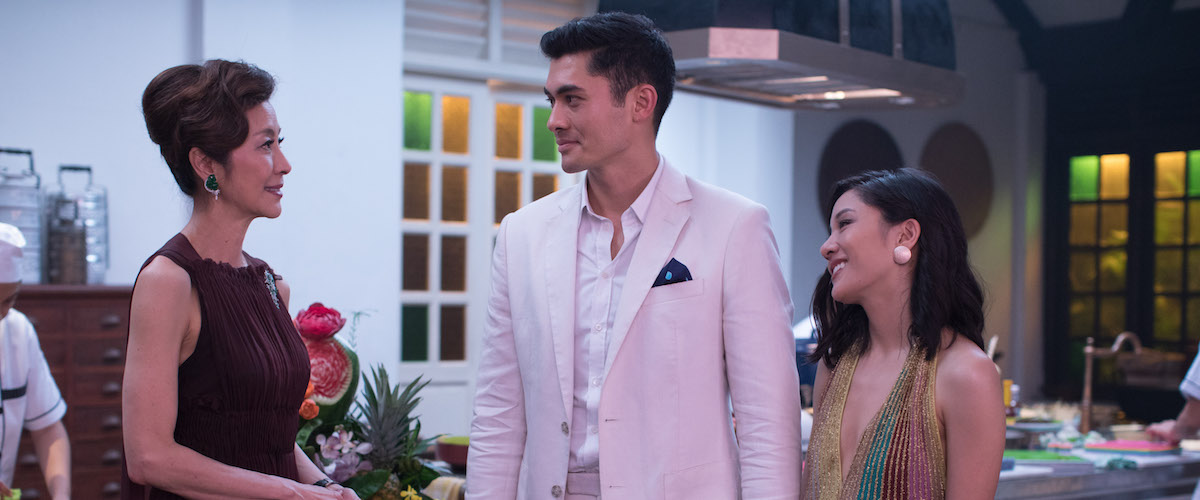
The camera gets close enough to the steaming pots and flamelicked meats to make a mouth water. Those scenes also serve a deeper purpose: they tie together the importance of food, culture and relationships around a dinner table. One dumpling-making sequence doubles as commentary on tradition and how families share it with younger generations.
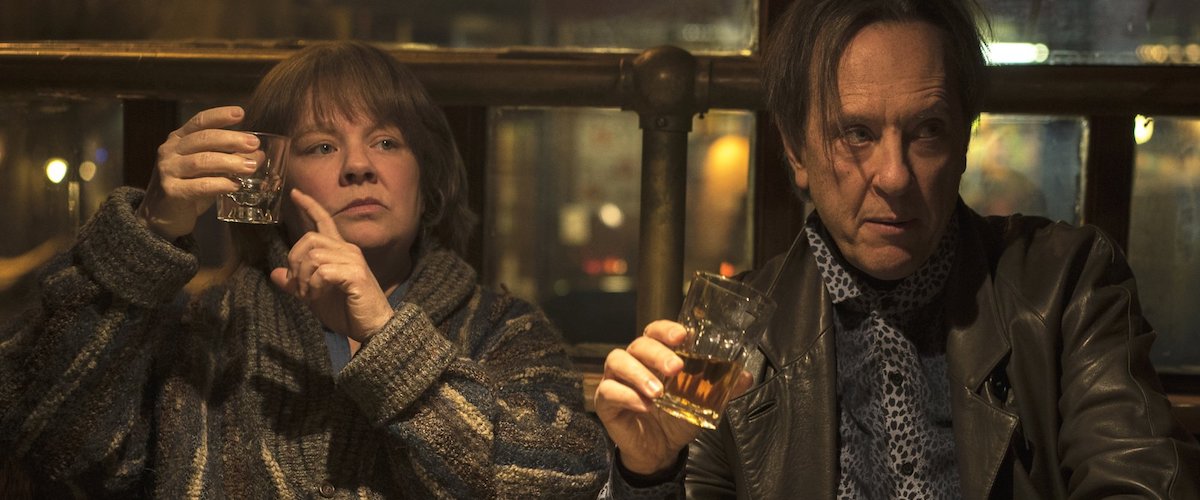
The range in McCarthy’s performance cannot be overstated. At almost every turn, her character gives the audience plenty of reason not to like her. Yet, with Heller’s sympathetic approach and McCarthy’s acting, the movie humanizes her beyond caricature.
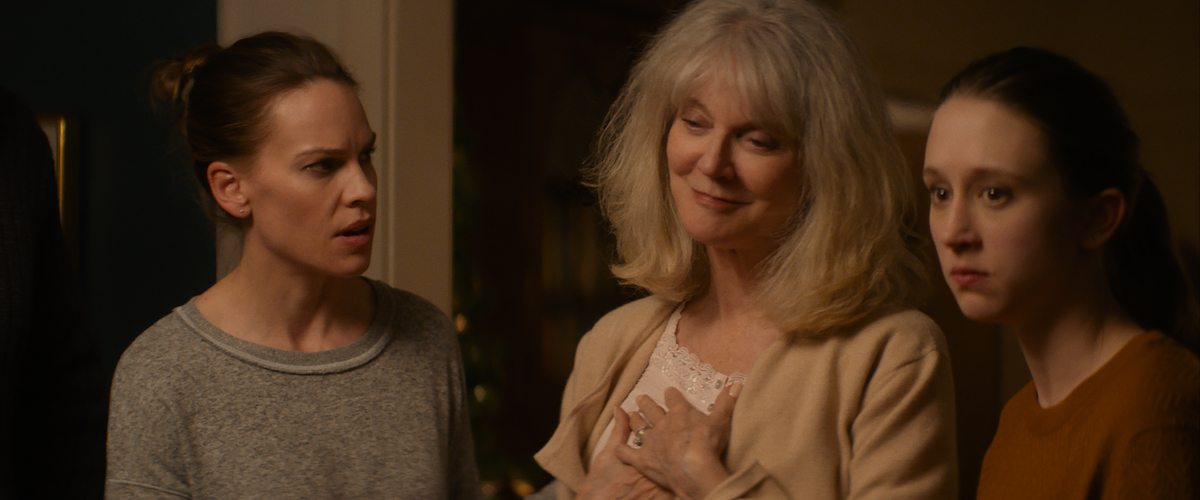
Although the film takes place mostly in the home, “What They Had” avoids the claustrophobic feeling of a stage play. Characters storm off after an argument or go to Christmas mass, but the home is not a space where everyone is forced together under artificial circumstances. There’s an understanding that sometimes to think clearly about a problem, you have to step away from it.
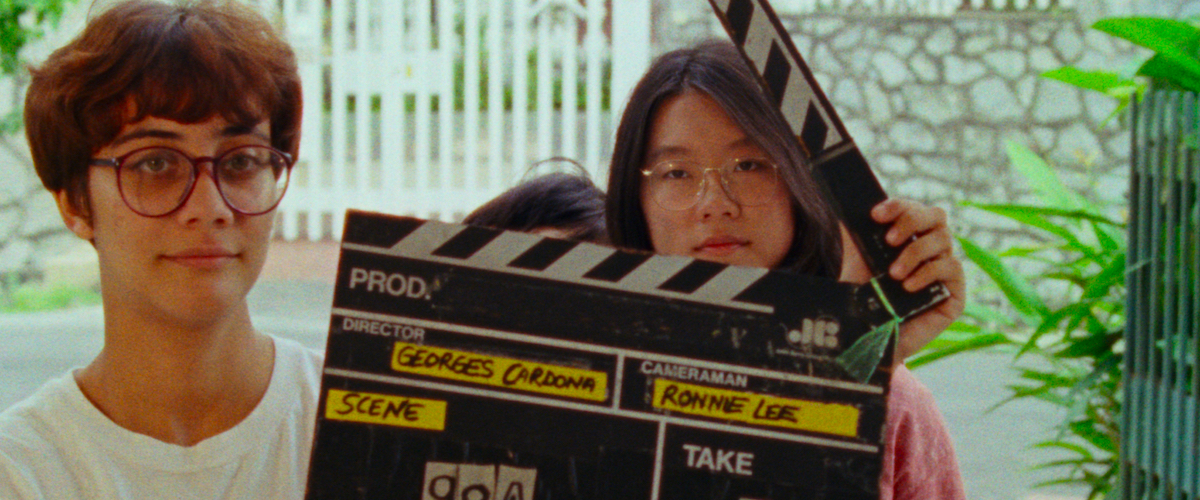
“Shirkers“
The fragments of the teenagers’ original project are like remnants of a broken vase in the hands of director Sandi Tan, who originally wrote and starred in the group’s movie. She holds up the snippets of 16mm film and her memories of that time to the light, and you can see what it once was, the potential it had and the man who took it away from Tan and her friends.

“Jinn“
There’s great empathy in Renee’s performance, even if Summer causes many of her own problems. Renee handles her character’s complexities with ease, and it’s not just enjoyable to follow Summer in her personal journey, those teenage insecurities are made tenderly relatable.
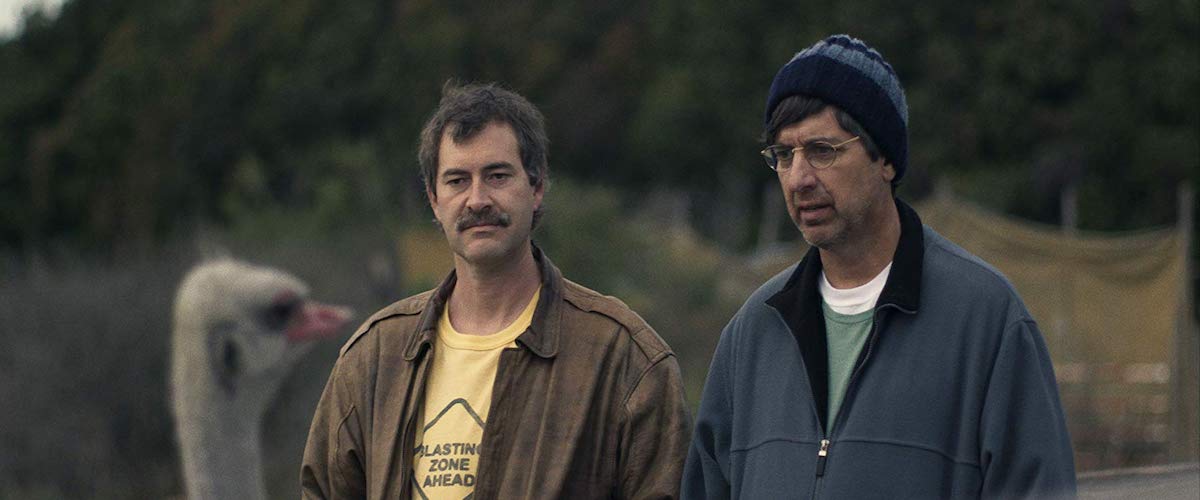
There’s a bittersweet feeling in the last few scenes of the movie as Mike and Andy are finally telling each other things they should have said before. We might not know when relationships will end or when loved ones will leave us, and “Paddleton” so gently reminds us that we’re always running out of time to see each other, talk to each other and quote our favorite movies to each other.

“Us“
Their doppelgängers may look like them and be tied to them in some way, but their lives are inverses of each other, and their existence has been one of limits and misery. It’s one of the most poignant analogies of class in America to come out in a studio film in recent memory.
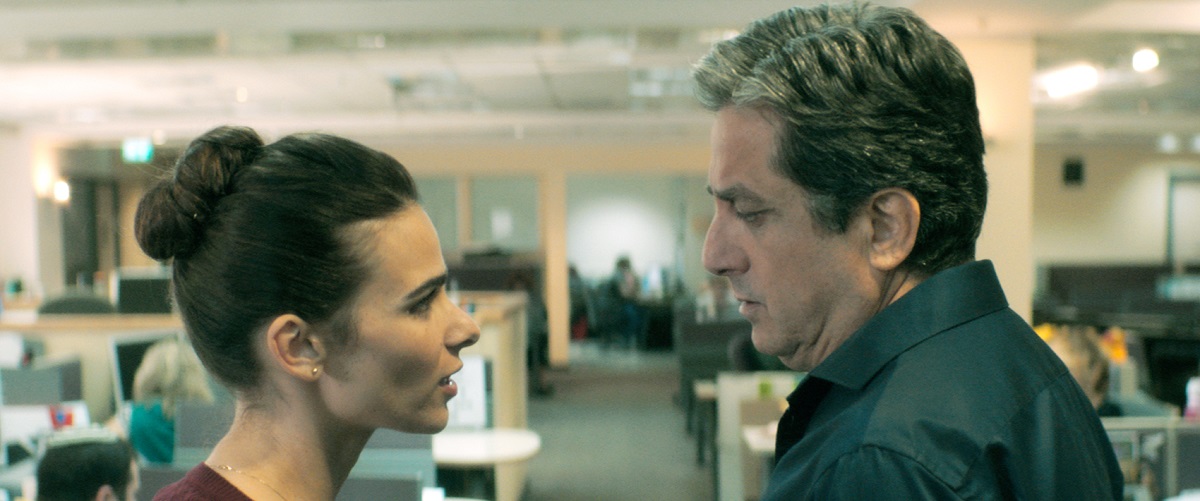
The most haunting shot of “Working Woman” happens in a hotel room, in one long take where Benny closes in on Orna. The camera moves backward, distancing the viewer from the violence, in the way some of our minds “check out” or remove themselves from our bodies in the moment of panic.
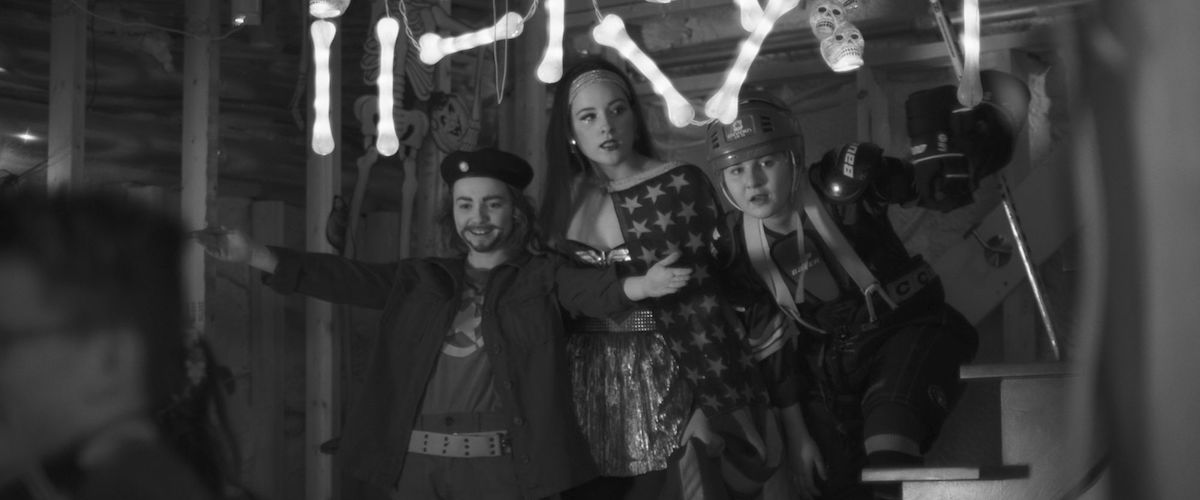
When problems mount between the two sides, the girls start a sex strike as a fundraiser like “Lysistrata” by way of “Clerks.”. The film’s sharp critique of double standards never feels like sermonizing, the teenagers’ observations about their situations feel organic, like stray musings traded over smuggled booze in the park.
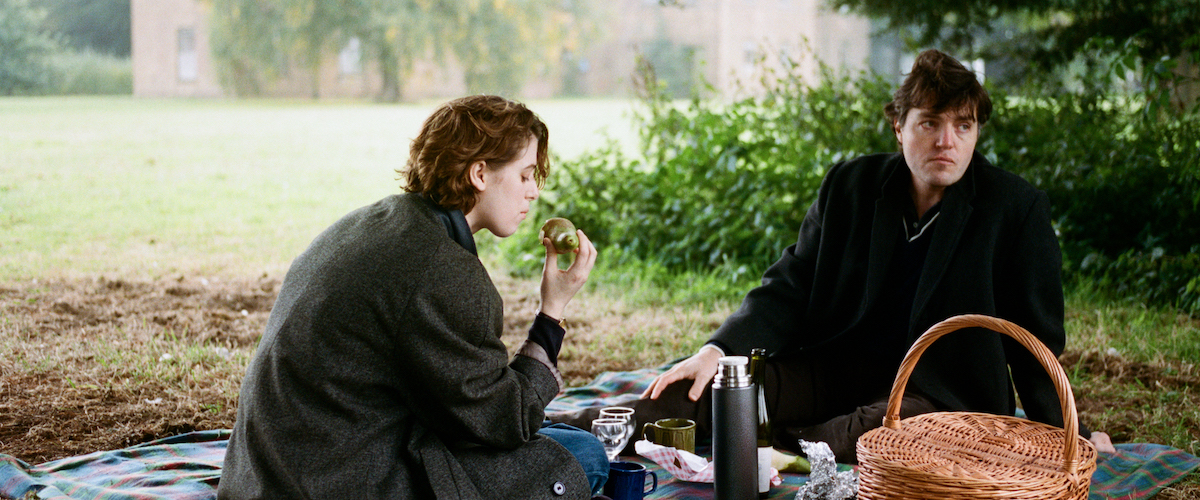
I heard grumblings about its main character, Julie (Honor Swinton Byrne), and the frustrations some felt with her decision to stay in a clearly toxic relationship. For me, “The Souvenir” is perhaps the most empathetic movie to capture that kind of bad romance, the way it seeps into every aspect of your life, the way it changes your behavior, how you hold onto the memories of good times when things get rough and how after it ends, you’re a changed person.
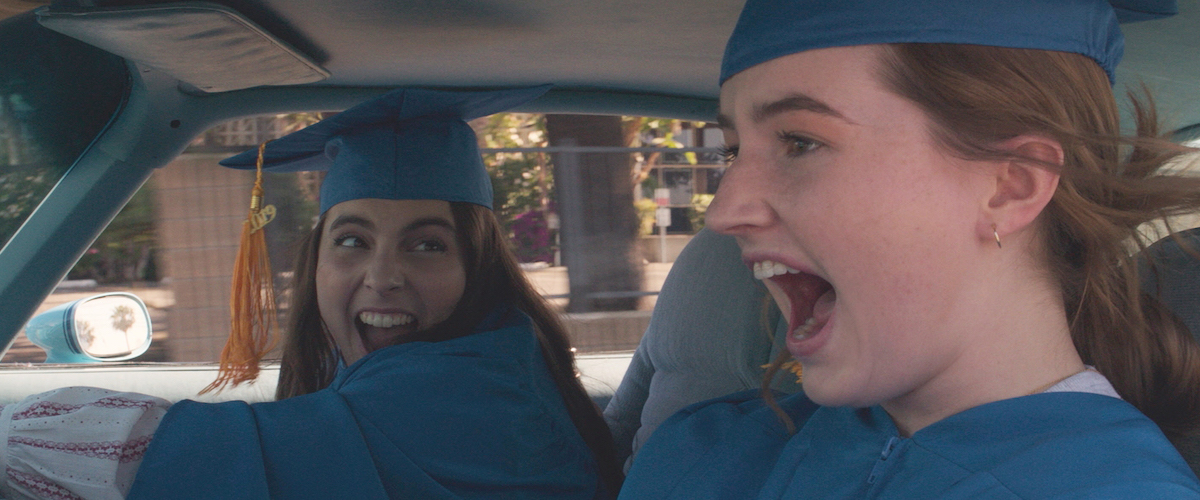
“Don’t make the same mistake I made,” warns the teens’ favorite teacher, Miss Fine (Jessica Williams), and that statement feels like a warning for the audience, too. Focusing so much on work and success has pushed generations of women to burn out. Perhaps “Booksmart” is trying to teach the next graduating class that there’s nothing wrong with balancing all that hard work with some party time.

Cartol gives an incredibly nuanced performance as Eve. It’s thrilling yet painful to watch her pent up so much quiet frustration in her eyes. Like waiting for an unsteady stack of Jenga tiles, you don’t know when her emotions are going to come crashing down, but they most assuredly will—they must.
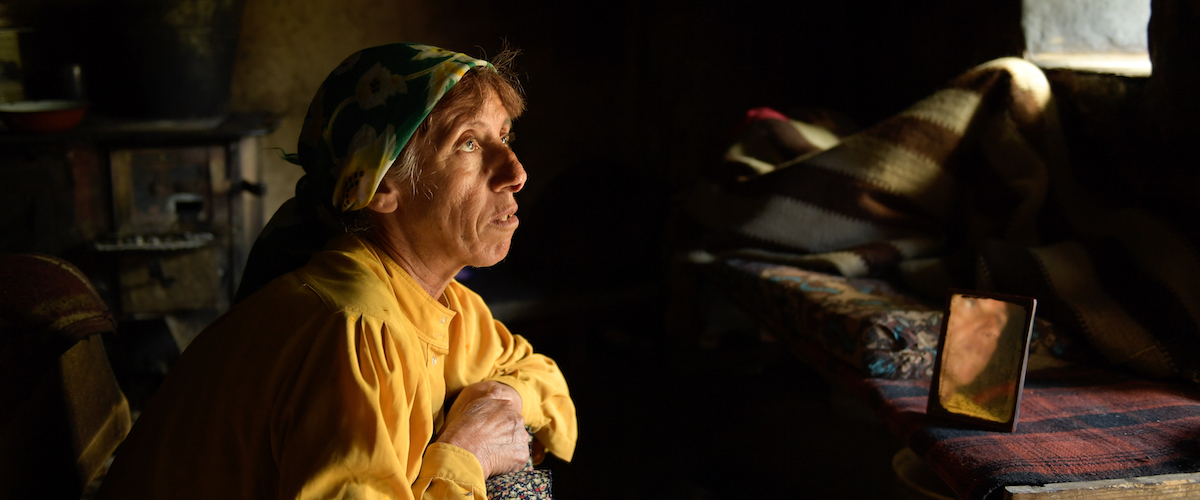
Most of the lighting in the documentary is just the sun or a candle, the camera’s jagged movements are the cinematographers adapting to their hilly surroundings to get that perfect shot. The directors get out of the way of the story and let nature take its course between the two factions. “Honeyland” is both an immersive experience and an undeniably gorgeous reflection on our relationship to nature.
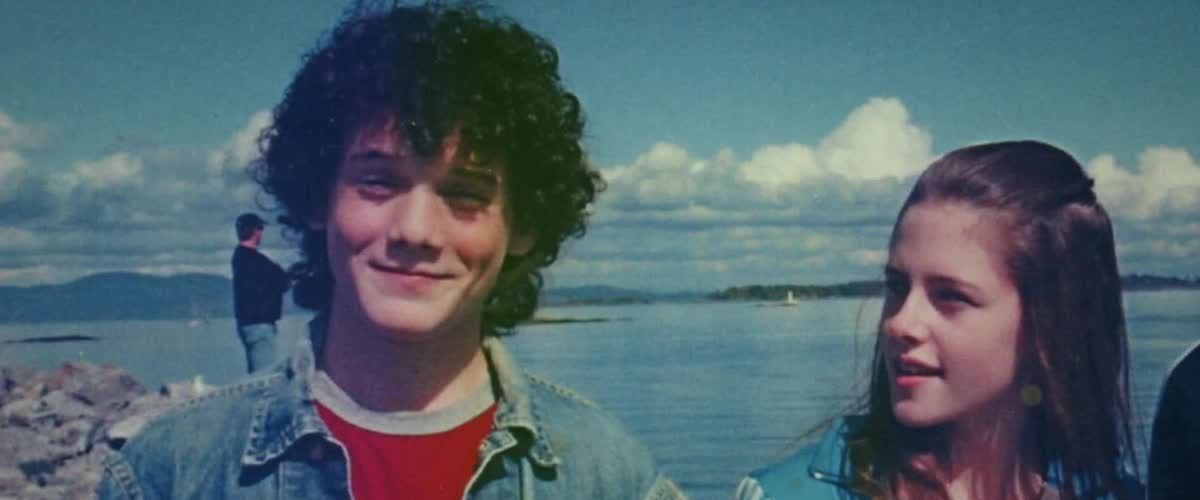
All the time audiences were falling in love with his deeply felt performances, he was fighting Cystic Fibrosis, an inherited disease that attacks the lungs and shortens the lifespans of its sufferers. The documentary reveals his battle as a testament to his perseverance. He loved his craft so much, that he never let something as grave as a deadly disorder take him away from the set once he committed to a project.

“The Cave“
It’s quite probable that “The Cave” may leave you feeling helpless after watching it. It’s a feeling shared by many of those living it then and now. Beyond the human need to hear and see these stories, it’s a beautifully shot documentary that’s as stunning as the images are harrowing. In a sea of so much tragedy, it’s a marvel to stop and consider each individual’s experience fighting the tide.
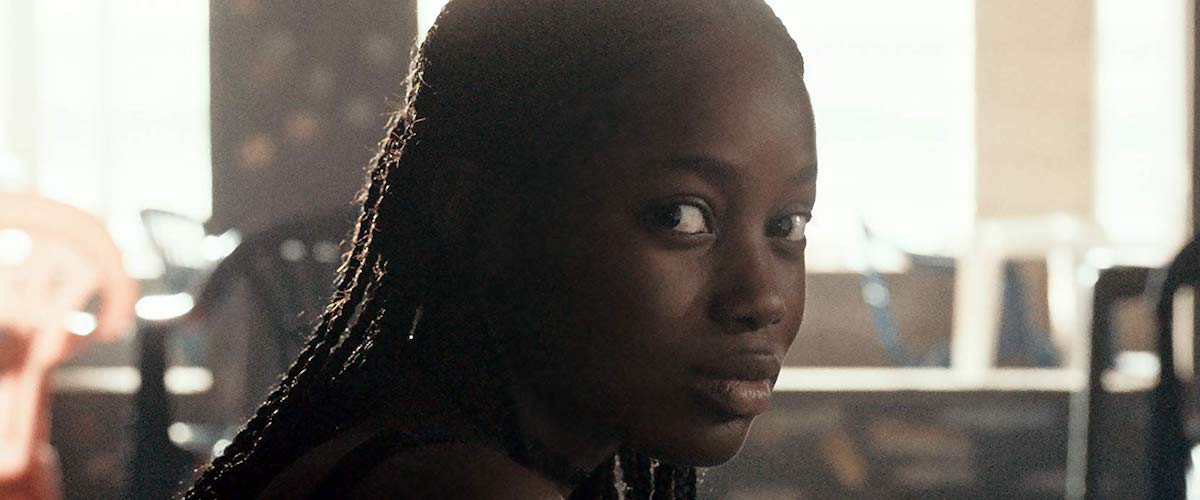
In watching so many films in a given week, month, or year, it’s rare to find one that sustains its thrills throughout its runtime, matches its gorgeous imagery with a compelling story, and defies easy categorization. Matt Diop’s haunting narrative feature debut “Atlantics” is one such movie. It’s unlike few other movies you’ll see this year or possibly this decade.
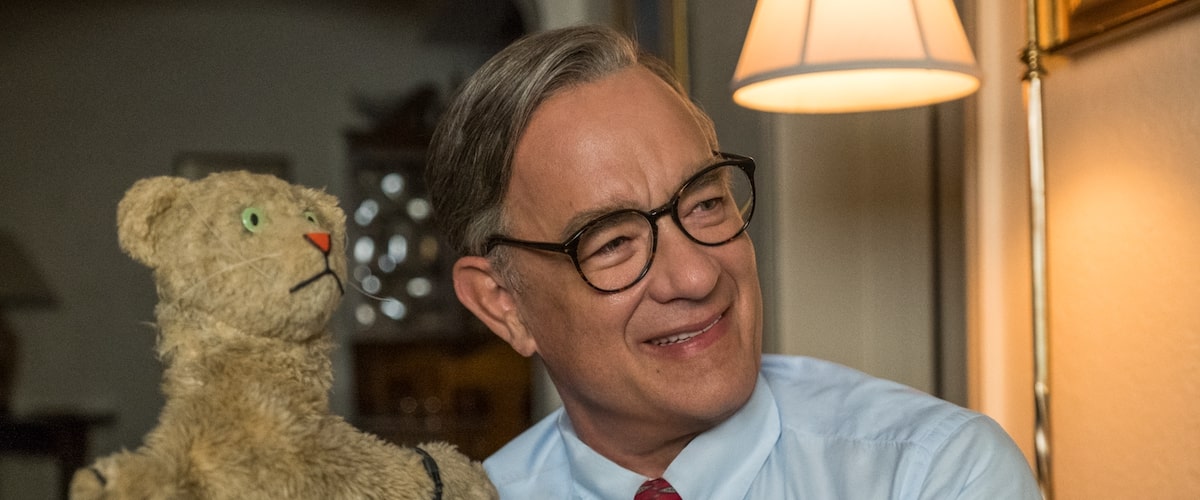
“A Beautiful Day in the Neighborhood“
While not exactly the spitting image of Mr. Rogers, Hanks convincingly imitates the mannerisms of the former minister-turned-childhood staple. He slows his speech to get Rogers’ soothing cadence, gives hugs and holds hands almost too freely, and walks with a vulnerability that reminds us that he’s not just playing a character on a TV show but a person with his own fears and pain.
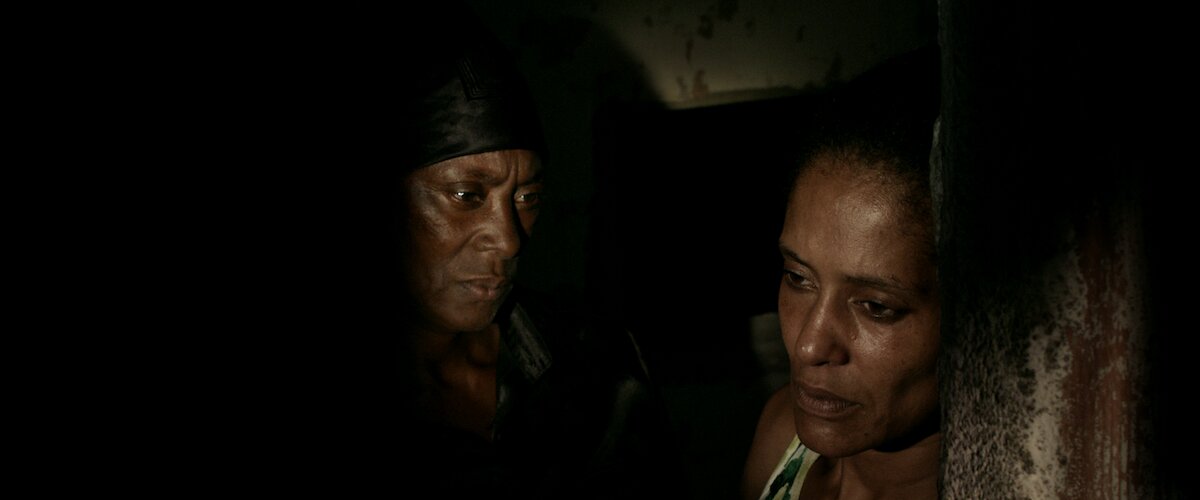
Most—if not all—of the shots in the film are static, composed to an extraordinary degree of rigor. This will either capture your attention for the next two hours or frustrate you. Should you surrender yourself to the film’s beautiful cinematography and whispered musings, you’ll find a breathtakingly gorgeous movie about love, death and immigration.

“Bacurau“
“Bacurau” never wastes a chance to leave a mark on its audience. Whether the camera is taking in the beautiful steppes of the area or witnessing a battle of the wills between Braga and Kier, the viewer is always meant to be entertained and thinking. The movie is potent with rage from end-to-end.
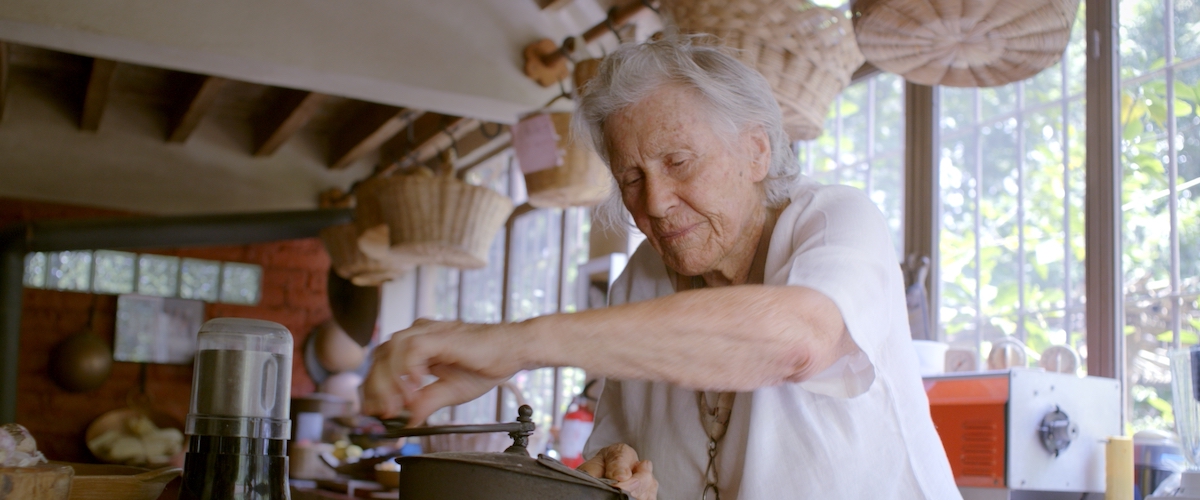
“Diana Kennedy: Nothing Fancy“
Watching “Diana Kennedy: Nothing Fancy” made me appreciate that someone was taking authenticity seriously long before our current conversation. It also made me resent the number of times I’ve seen my family’s traditional dishes botched or appropriated, like Bon Appetit’s approximation of a Cuban mojo sauce that adds in jalapeños, an imported pepper to the island that would completely change the flavor.
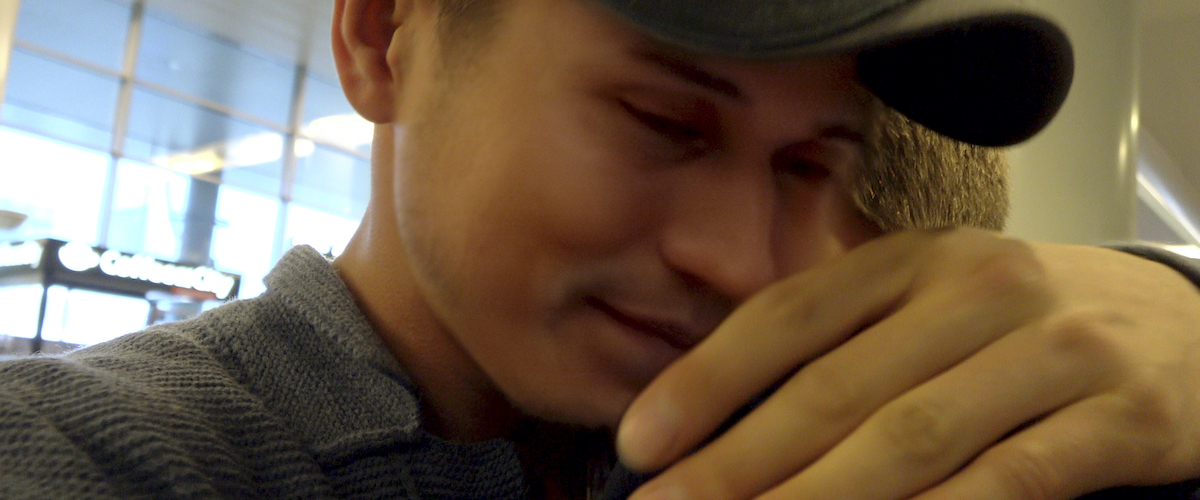
France uses “deepfake” technology to overlay their faces with that of volunteers’, obscuring their identifiable features and allowing the filmmaker to show their side of the story: the heartbreak, agony, loneliness, fear and uncertainty of fleeing your homeland for your life.
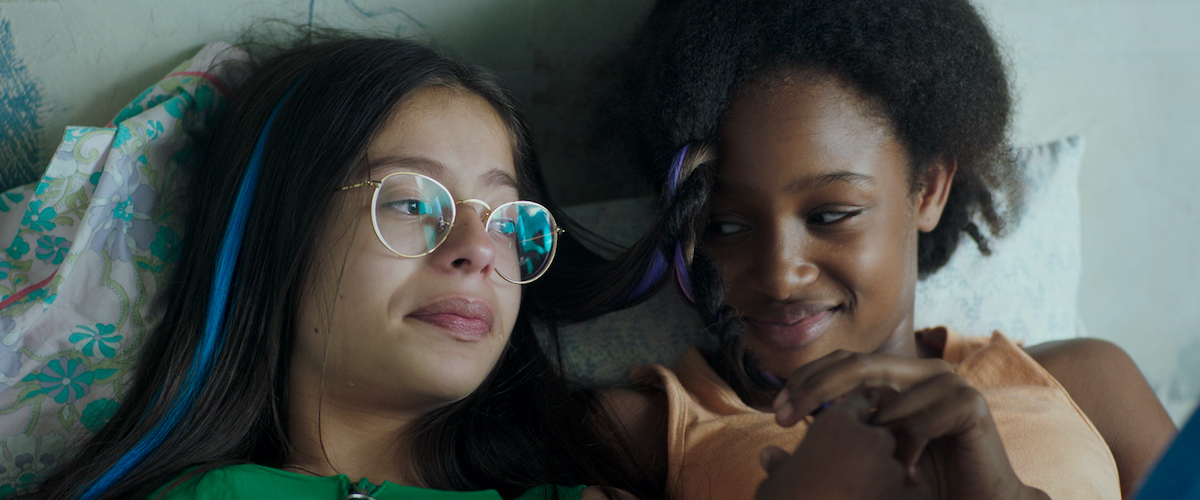
“Cuties“
There’s a recurring motif of Amy transfixed by the dress she’s supposed to wear for her father’s wedding, and different things happen to it that correspond to what she’s going through. It’s likely not a mistake that the turquoise color of the dress echoes some of the colors around the apartment, tying together the threads of culture and home into one.

“Softie“
As the stakes rise over the news of candidates and election officials who have disappeared or found dead, “Softie” turns into a tense political thriller, gripping its audience’s attention as the events lead to the inevitable election day showdown.
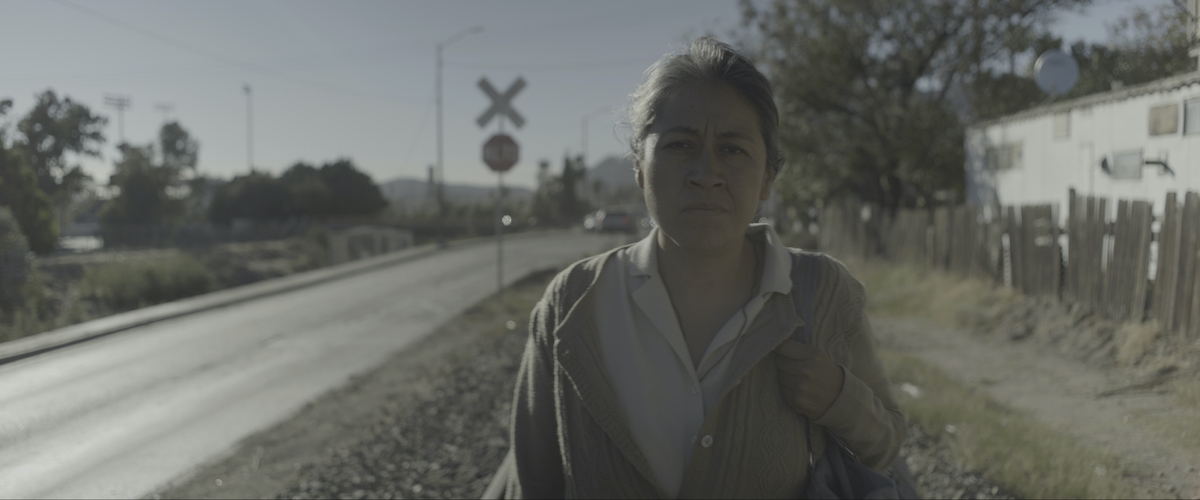
It is a striking movie that boldly confronts both uncaring governments on either side of the border and the cartels that have warped these areas into the stuff of nightmares, while also mourning the human cost of losing a loved one to uncertainty and the ones who will never make it home again.
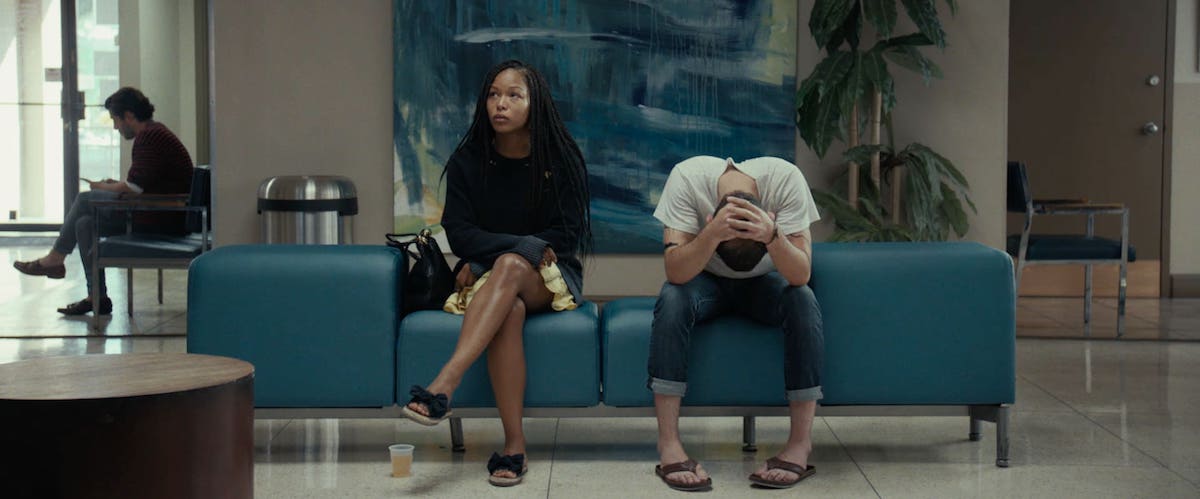
Without directly addressing their racial differences as a duller script may have done, Ford works it into story flawlessly, trusting actors Hall and Brill to embody their characters’ unspoken tensions.
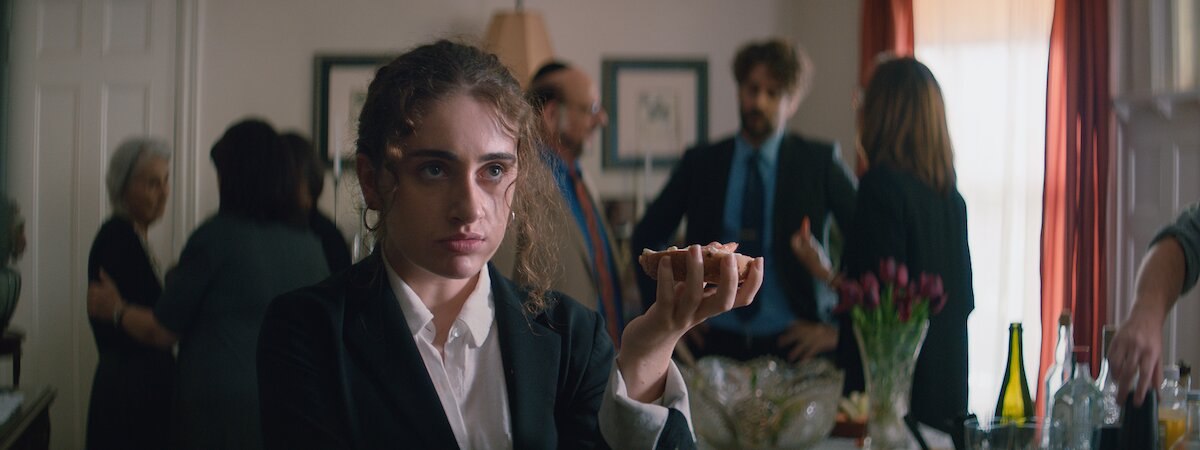
Seligman’s masterful approach would have not been nearly as effective were it not for Sennott’s exquisitely exasperated performance. She strikes the perfect tone of feeling annoyed by her parents and mortified by the situation of getting stuck with her ex and sugar daddy. Every piercing stare, facial muscle twitch, and heightened voice conveys her outrage hidden behind her feigned smile.
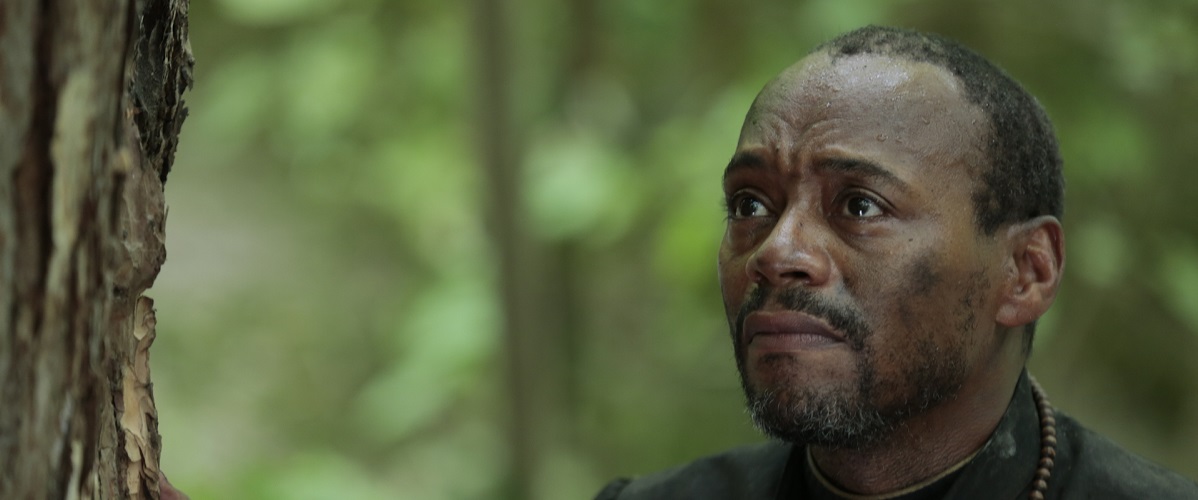
Raoul Peck picks and pulls at every connecting fiber throughout history, finding several lines through the ages of how hateful dogma begat public policy, systemic murder, and cultural genocide. If you finish “Exterminate All the Brutes” without re-examining the hundreds of hours spent in history classes, then you didn’t pay attention to Peck’s lesson.
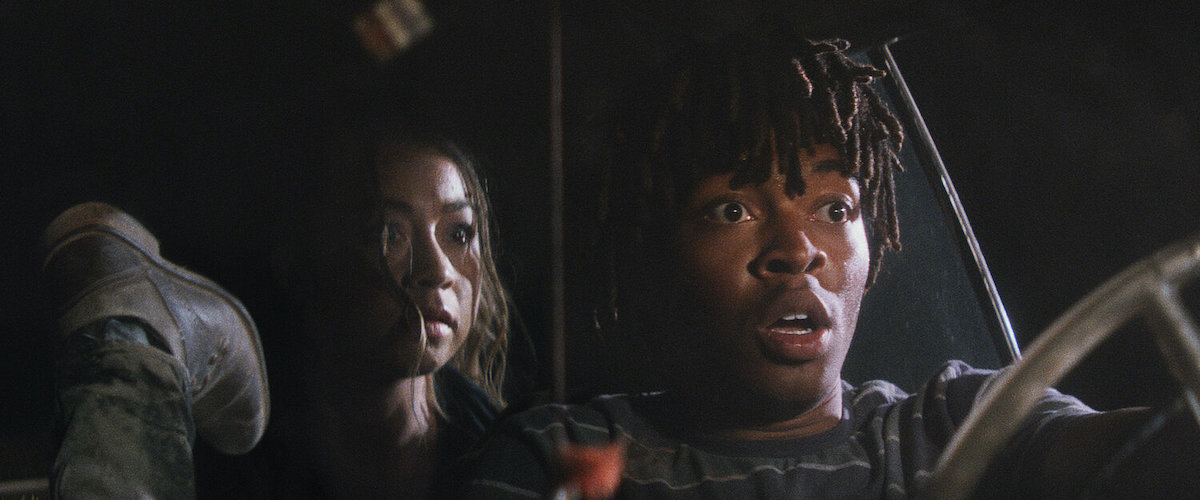
“First Date” feels like a throwback caper to something you’d find on cable, funny yet full of action with a generous helping of a timeless romance for good measure. It’s the kind of movie you come across and have to see how it ends.

It’s a pipeline not unlike that of the military or a gang, starting with engaging kids’ interests, before they’re old enough to vote or drink, with the promise of work and a decent pay-off. That concept is scarier than watching teenagers bob and weave around their school practicing how to confront an armed suspect, and just as jarring.
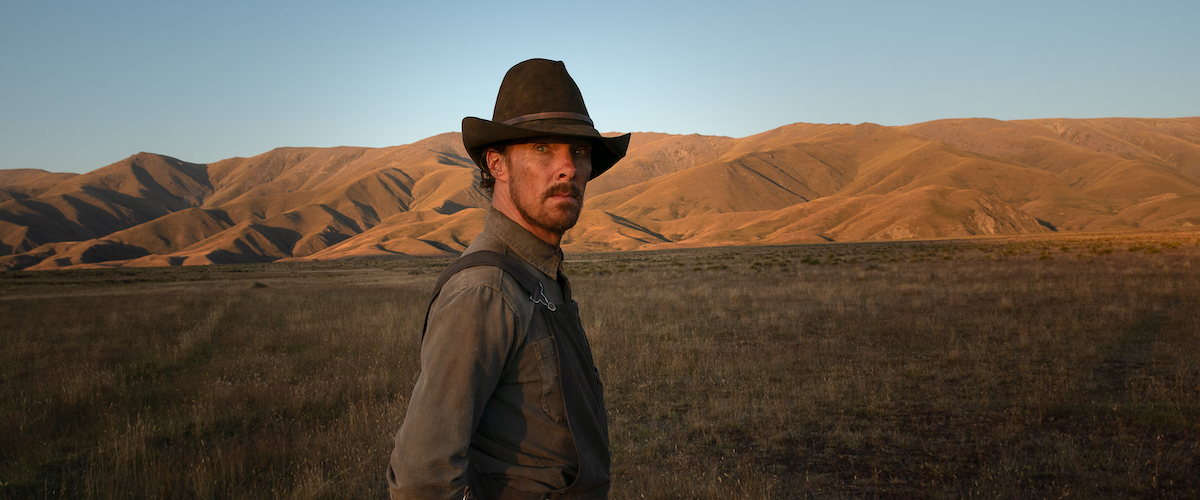
Backstory is filled in quickly and briefly in dialogue, if it’s ever filled in at all. There are no flashbacks, just a few scenes of characters sharing their past with each other. Campion and her cinematographer Ari Wegner write whole character studies in their close-ups. From this perspective, we get a sense of what the cast may never verbalize.
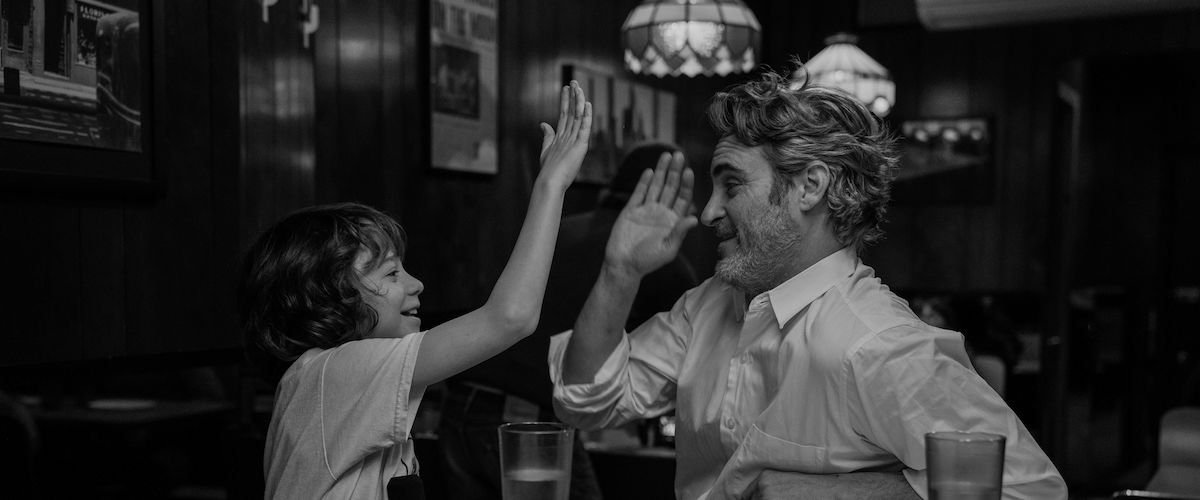
Through its questions, posed both by an adult on the job and a curious child, and gentle pacing, the movie can tap into our own memories of when we were once lost in a store or scared something was happening to our families that we didn’t yet fully understand.

The scenarios of Hansen-Løve’s films can feel rarified and unique at first glance, yet they are painfully relatable on some level. They may be devoid of melodramatic showdowns, but there’s a quiet ferocity to them in the way they so deftly address our daily pain, insecurity, and loneliness, still resonating with us long after the movie’s over.

“The Blind Man Who Did Not Want to See Titanic“
As a trained actor with a camera on him throughout the entirety of the film, Poikolainen shoulders the task with a stoic grace and a sardonic wit. He brings his character to life, emotionally and physically, summoning the determination Jaakko needs to get to Sirpa but also the charm to flirt with her, crack wise about his nurse, lie to his dad, and make fun of his robber’s taste in music.
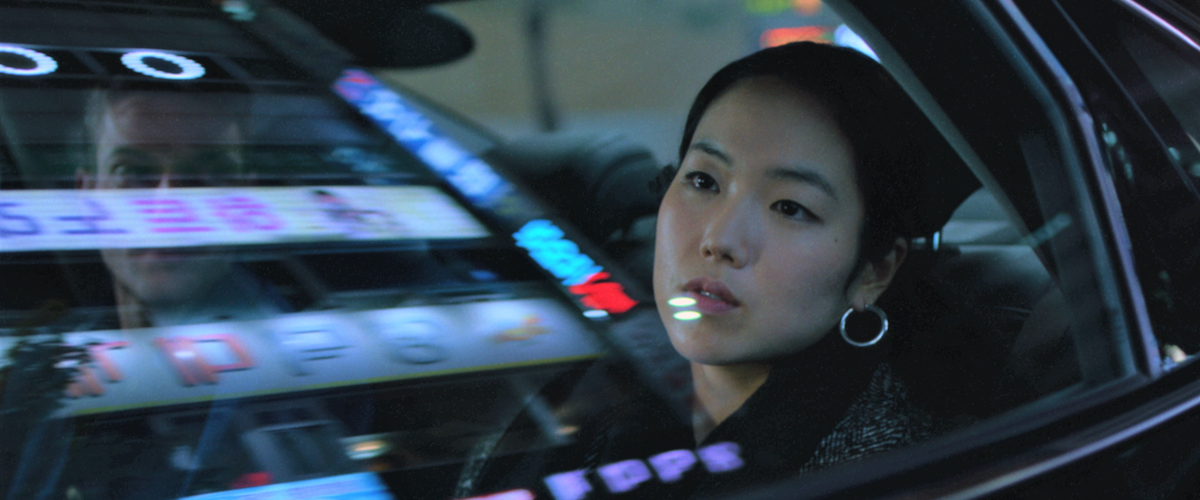
As far as complicated characters go, Freddie is an impressive mix of conflicting emotions: angry, lonely, selfish, and resentful. But in her occasional vulnerable moments, there’s a sense of a wounded tenderness, like a bruise that has never quite healed up and will always be a source of pain.
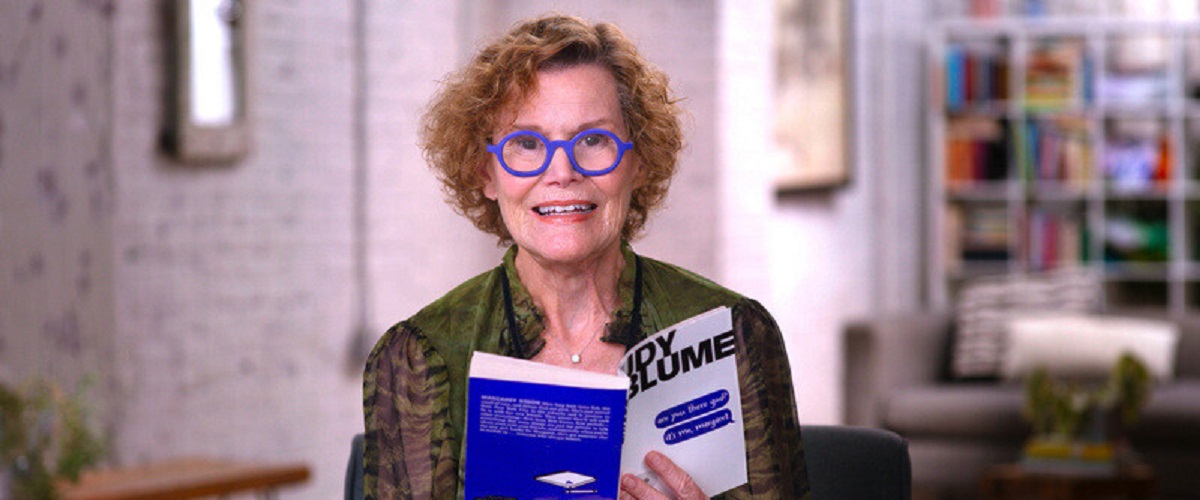
“Judy Blume Forever” is more than just about the writer herself. It’s also about the social changes in this country, the gender barriers Blume broke through with her books, her struggle to be taken seriously as a professional when others sneered at her kid-friendly literature, and her ongoing fight against conservative efforts to ban books from young readers.
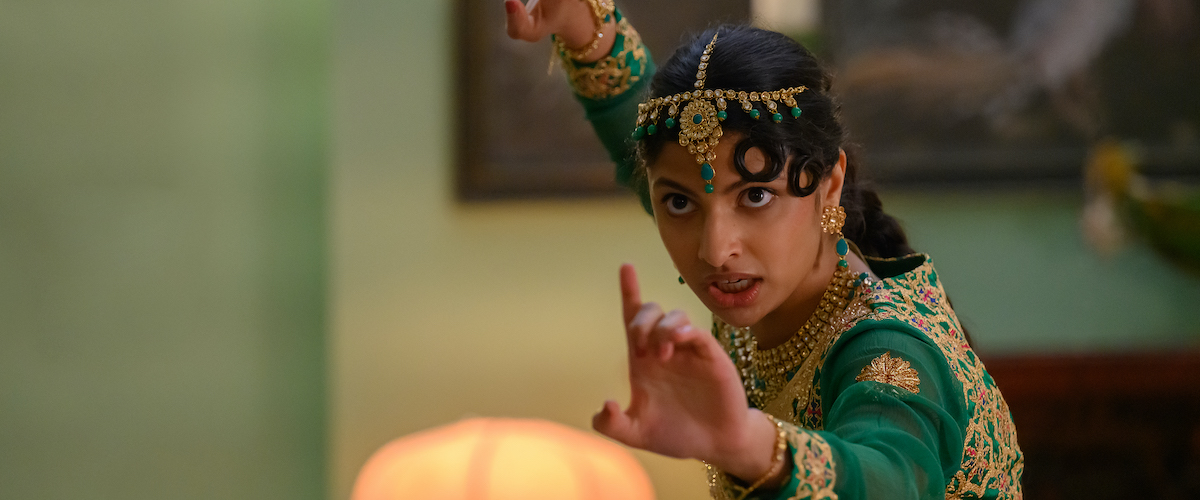
Nida Manzoor’s riotously funny and action-packed film “Polite Society” is a bold feature debut that defies categorization. At its core, it’s about the power of supportive sisters, but it goes on to critique the limitations of cultural, generational, and gendered expectations all between well-choreographed high kicks and punches.

“The Starling Girl” is so effective because it feels so specific to the character Parmet creates but remains accessible to people who haven’t shared her experience. The film is rich in detail, both in the sense of what it’s like growing up in a very religious community and what teenage rebellion looks like when just acting like an individual is enough to earn a stern talking to from an elder.

During their long-delayed reunion, the pair move seamlessly from basking in the glow of magic hour on Brooklyn’s waterfront to sunny trips on the ferry to street-lit walks in the East Village. It’s a playful comparison to the movie’s earlier setting in Seoul, where, as children, Hae Sung and Na Young took hilly routes home and play among modern sculptures in a park. No matter where they meet, the camera creates a sense of their connection, of the feeling that nothing else around them matters as much as this moment.
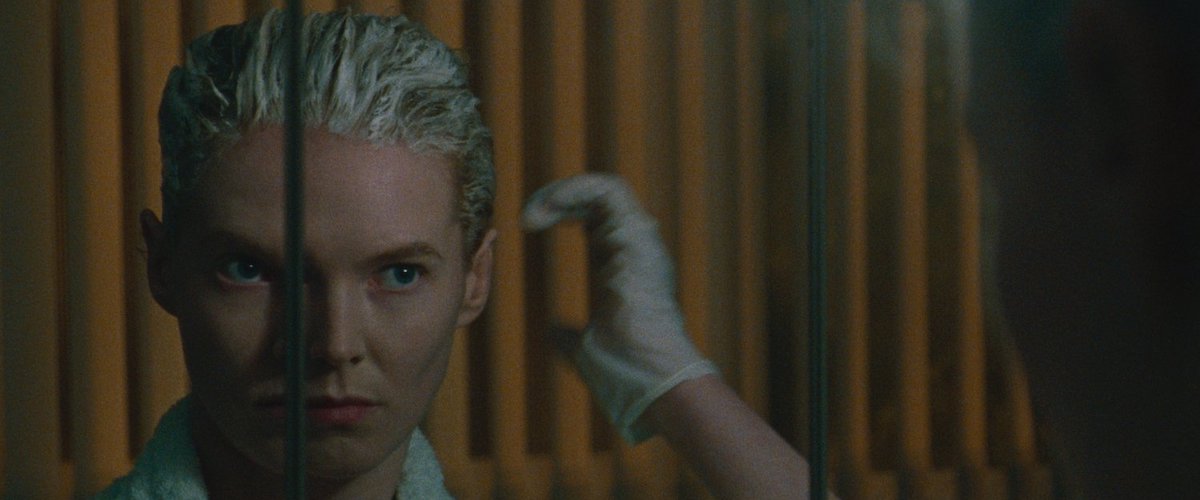
Her much more feminine coworker and sister wear shades of pink with ease, but Jean is off in her blue world and its blue hues. The two colors contrast, yet Victor Seguin’s cinematography incorporates them flawlessly into a dreamlike vision shot on 16mm. Jean’s story may be heartbreaking, but Oakley and her crew’s technical work is awe-inspiring.
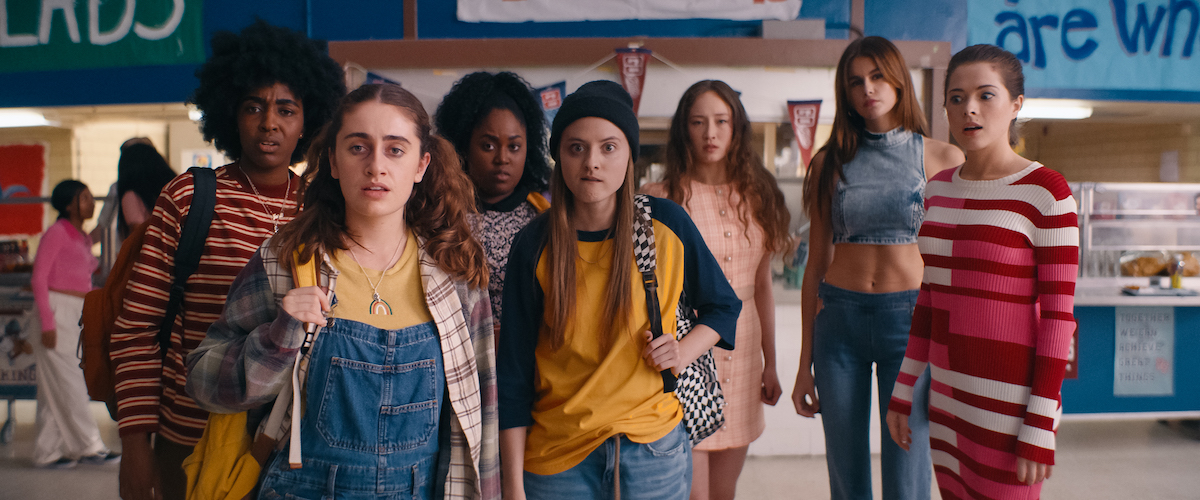
“Bottoms“
“Bottoms” dropkicks John Hughes movies on their ass and lets the girls take charge—not just as pouty wallflowers or broody misfits until someone gives them a makeover. They are the weirdos; they are the nerds. They have every right to fail, be crass, make crude jokes, and shed blood.
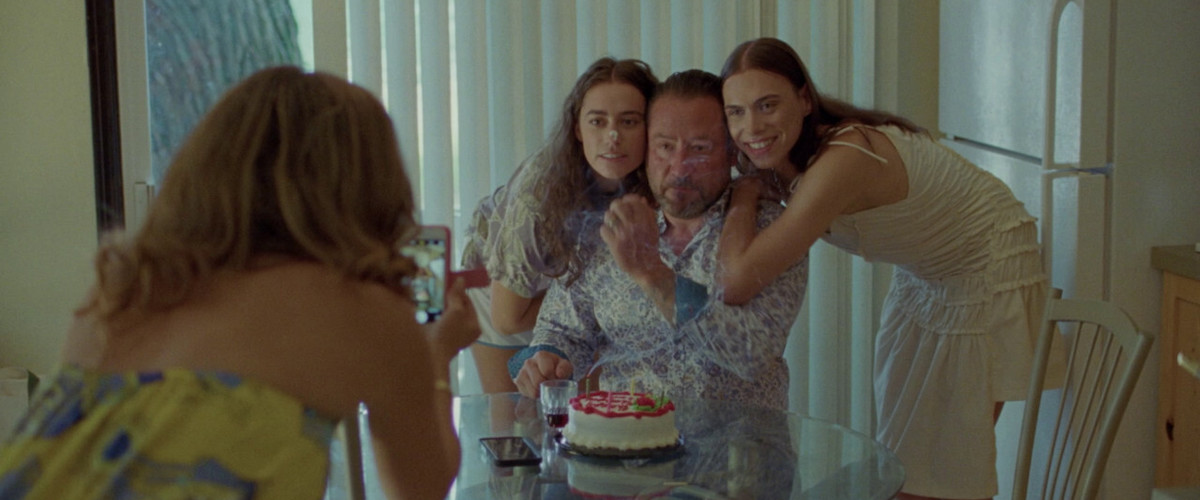
“Something You Said Last Night“
Perhaps what’s most is disturbing is how familiar this drama feels: sisters fighting over petty things and trading catty insults to get back at one another, mom’s needling questions and her outsized responses when she gets an answer she doesn’t like, dad looking silently on, a touch hurt and maybe even confused as to why everyone else is screaming loud enough to be heard outside.
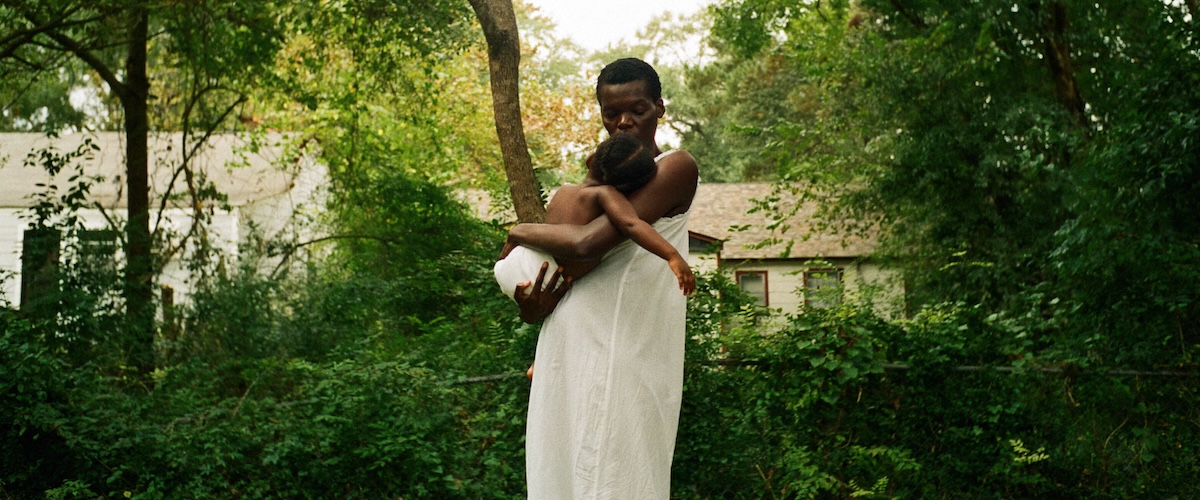
“All Dirt Roads Taste of Salt“
Memories will appear one after another from her youngest days to her gray-haired years, non-sequentially, creating a winding road that bobs and weaves through mundane and life-defining moments alike. […] Jackson serves these slices of life portraits as if freshly picked from a tree and slivered into bite-sized servings, the way my grandfather used to cut up limes and hand them to my cousins and me while we piled in front of his old TV.
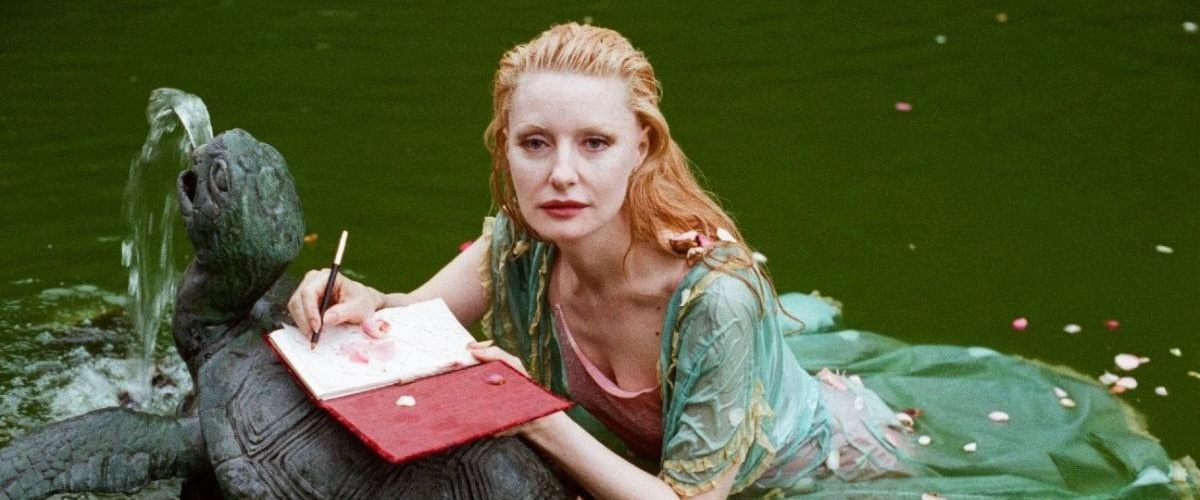
“The Disappearance of Shere Hite“
When she starts to defend herself, some in the documentary wish she hadn’t fought back against sexist critics, but her righteous anger feels so controlled in comparison to the blatant attacks on her character and her work. In essence, she was slut shamed out of history, and we are forced to reckon with that loss.
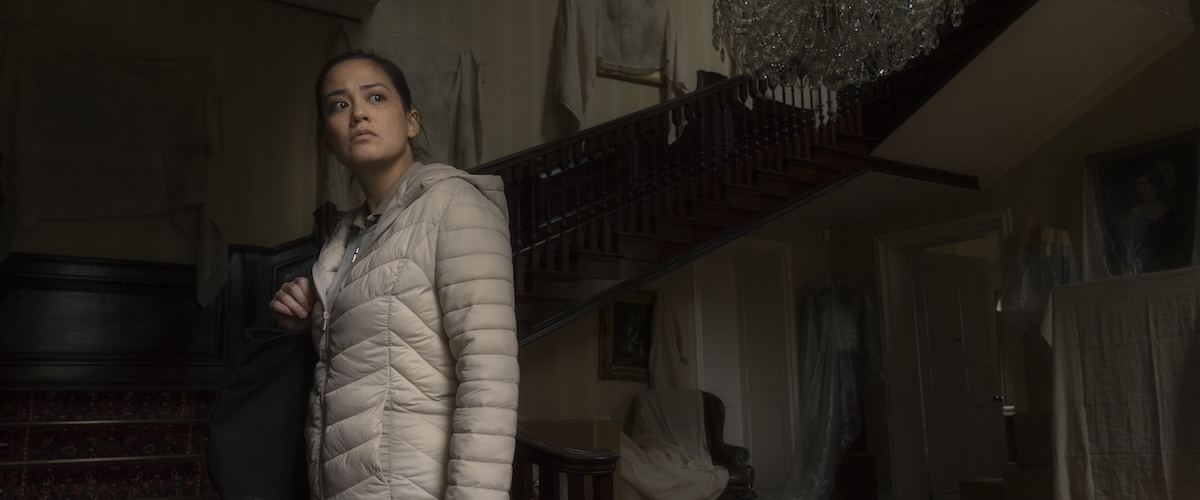
In his feature debut, writer and director Paris Zarcilla proves he is a master storyteller. He carefully builds his suspenseful tale with a horror twist layer-by-layer, showing us Joy’s hardships, establishing Grace’s rebellious phase, and immersing us in their problems until what looks like divine intervention arrives that’s almost too good to be true (and it is).
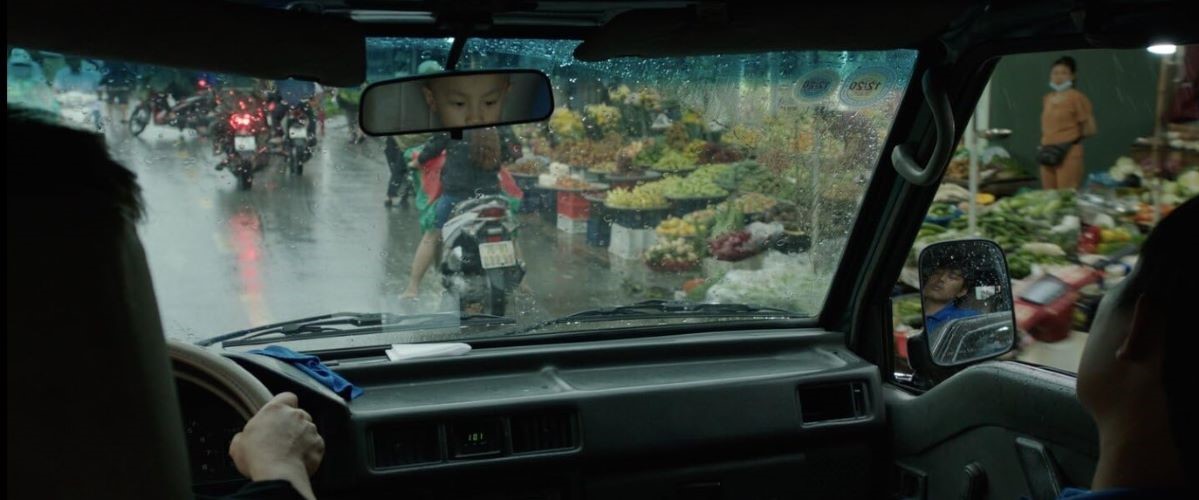
“Inside the Yellow Cocoon Shell“
Dinh Day Hung’s cinematography is equally measured as An’s direction, like in moments when carefully framing people through doors and windows—almost in a John Ford way—to evoke a sense of belonging and travel. Then there are the faraway shots that make Thien and his problems look small from a distance, looking at the bigger picture from a perspective that Thien cannot see for himself.

The movie is effective in its ability to make us emphasize for the hunted “others” as well as observe how humanity becomes the very thing it fears: monstrous in its attempt to restore law and order. Life is complicated like that, and yet it continues to find a way forward.

“Infested“
For all its skin-crawling, “ew!”-inducing moments, “Infested” delivers the roller coaster thrills of a well-made horror movie. Maybe you dare yourself to watch this movie about something you fear, brace for the twist of venomous spiders that get bigger and feel a sense of relief of surviving that adrenaline rush.
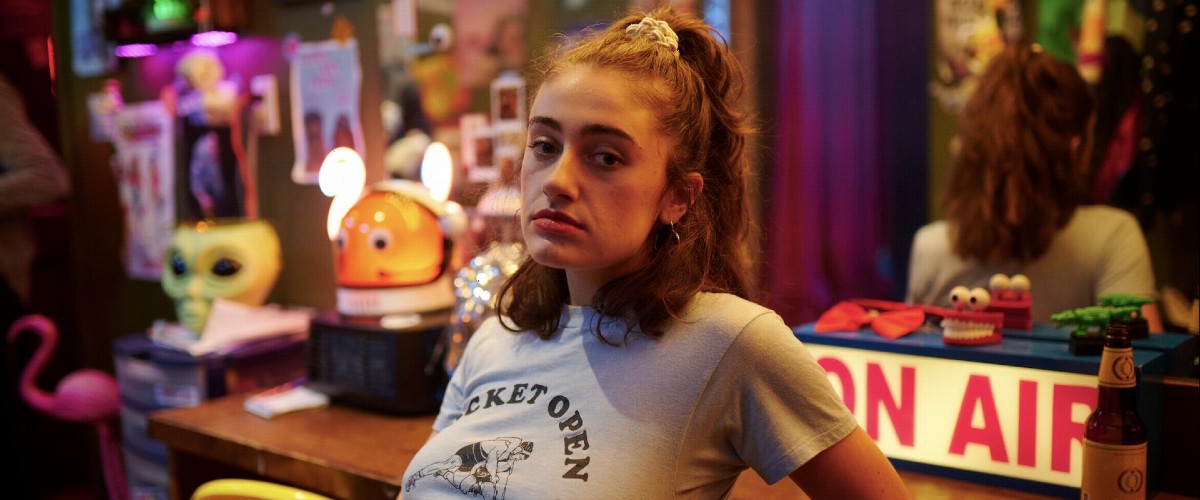
On stage, comedians use their words to make their audience laugh, gasp, or think—sometimes simultaneously. But what happens when a joke is used against a comedian? It’s one of the many thorny ideas Ally Pankiw’s bold feature debut “I Used to Be Funny” wrestles with over the course of its emotional story.

“Queendom“
These scenes can be funny or serious, like when Jenna wraps up her body, head to toe in gold lamé to wander a desolate theme park and halfheartedly ride one of the rundown attractions, or when she emerges out of a cocoon of what looks like saran wrap, gasping for air as it seems she might be in danger of getting stuck in Russia at a time of war.

“The Substance” may use horror trappings to critique the entertainment business and the multibillion dollar industry cashing in on people’s search for the fountain of youth, but it does so with such panache that it’s still having its share of fun.

A certain sense of fluidity moves between the film’s use of tones, cultures, and genres, all “In the name of Friendship,” as the movie declares in its opening moments. In Rankin’s film, whatever absurdity catches your eye, like a walking tinsel-filled Christmas tree or face-swapped characters, it looks and feels like it fits right into his strange new world, and it’s one that I hope to visit again soon.
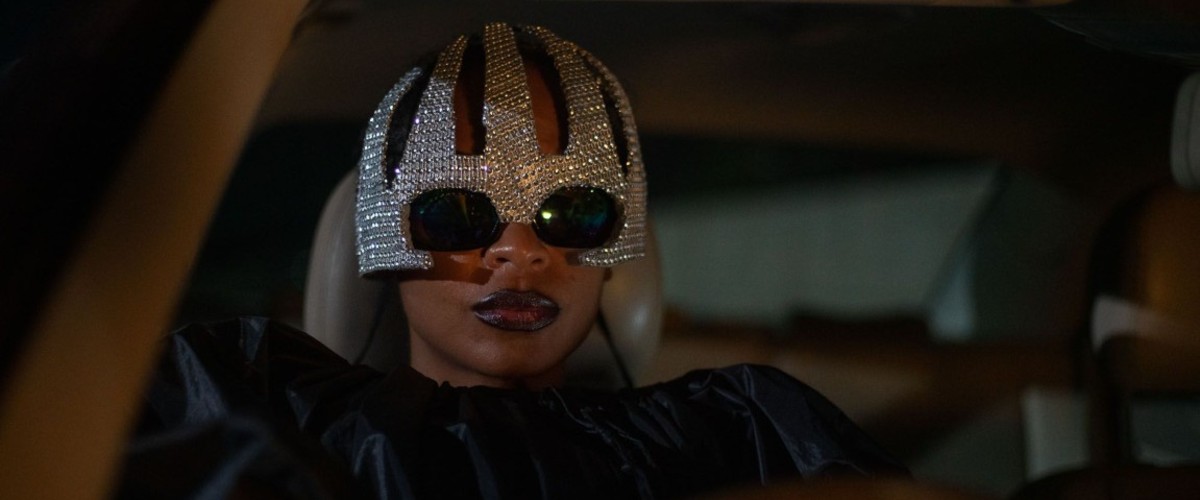
Much of “On Becoming a Guinea Fowl” centers on the experiences of the women in the family, swapping gossip, making decisions, or worse, ignoring what they know of the situation. They either perpetuate the violence or put a stop to it, and the movie emphasizes that it’s a choice every one of them must make for themselves.
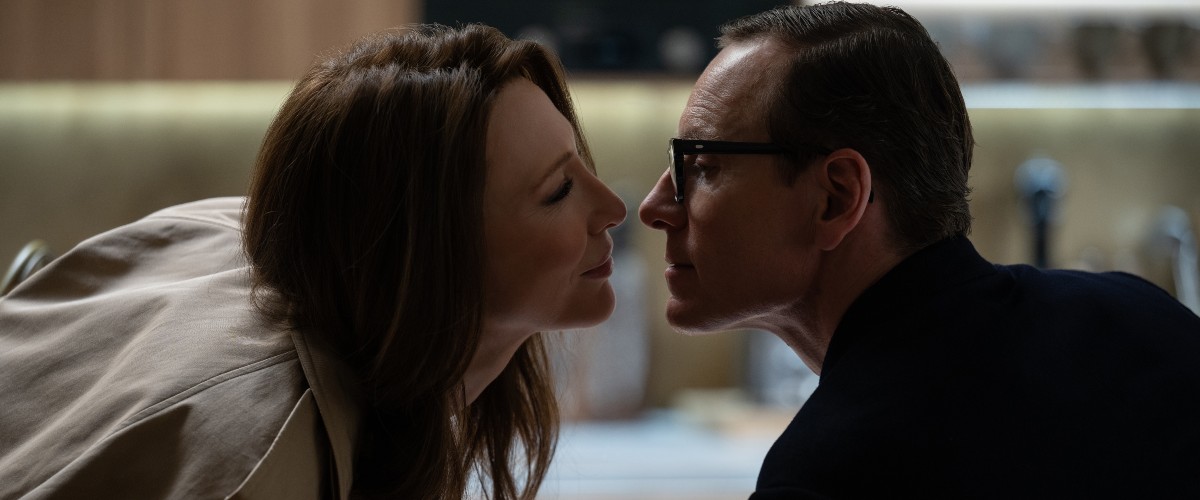
Between the narrative tension between each person, Soderbergh’s fast-tempo editing, and his soft-focus cinematography using wide-angle lenses and rapidly shifting focus within scenes, the movie enhances the feeling of danger even as the characters are just seated around a dining table. It’s like waiting for the bomb to go off without a timer to warn you to brace for impact.
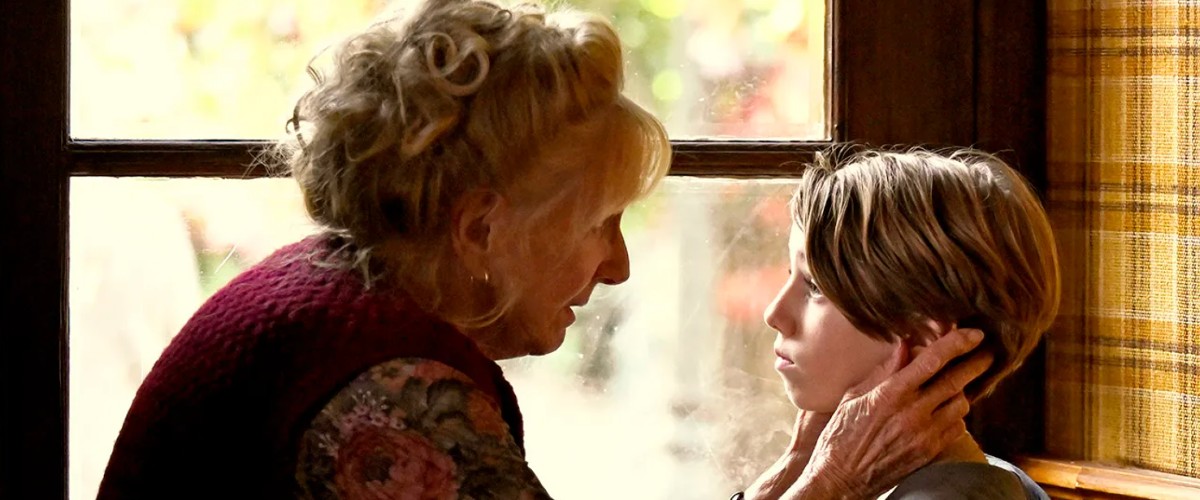
Ozon, who wrote and directed “When Fall is Coming,” leaves some air of mystery even when things seem certain, and suspense pops up when you least expect it. Every character must decide which secrets to keep and whom to protect, with only a few seconds to decide, and every line of questioning feels like a fork in the road.
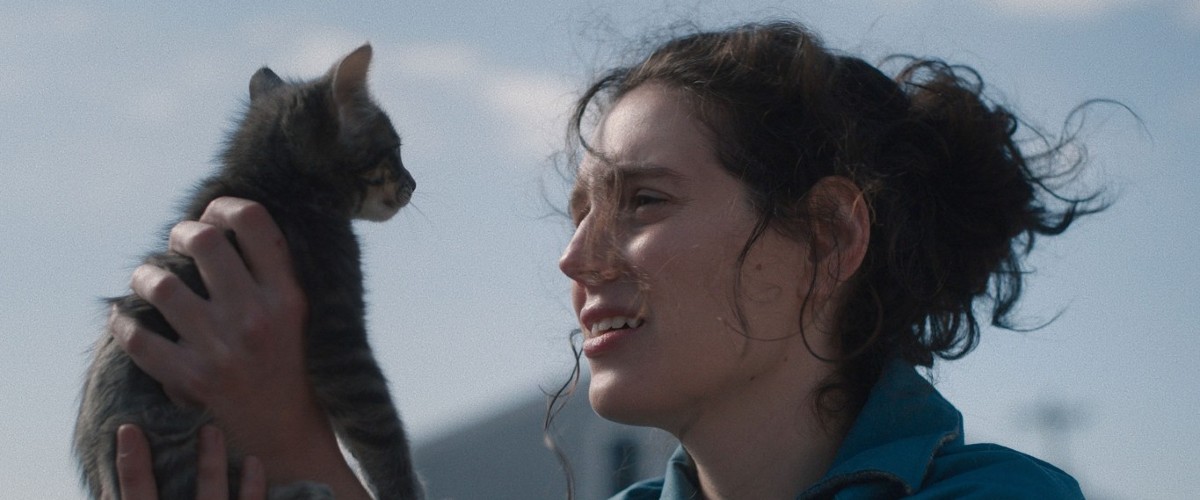
Victor’s thoughtful approach also extends to their performance as Agnes and the other characters in her world. Victor brings back the deadpan, offbeat humor that made them a sensation on social media with an introspective side, unafraid to delve into vulnerable, emotional scenes and using humor to mask their character’s pain.

Despite the limited setting of Rosenkrantz’s apartment, “Peter Hujar’s Day” is a masterclass in composition, creating movement where there is little and finding an unconventional way to film two people talking. Imagine if “My Dinner With Andre” allowed for the characters to continue talking away from the table.
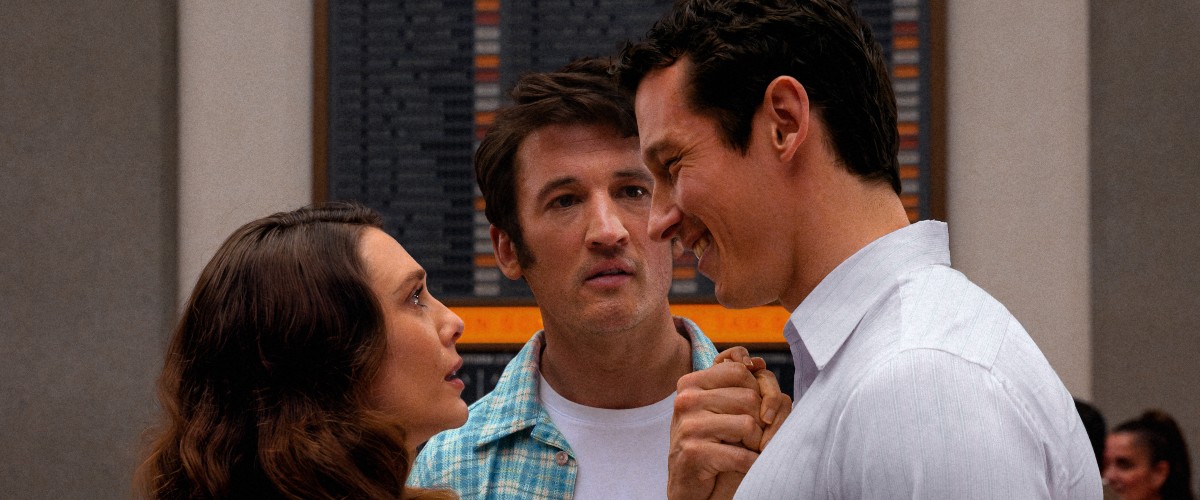
“Eternity“
The afterlife Freyne envisions is so creative and evolving, you’re learning about its many intricacies just as the characters are navigating it. Yet because of this comically imaginative exploration of life and what it all means, the movie is light-hearted and funny, yet still moving. Why wait for eternity to find paradise? Why take those we love for granted? “Eternity” may as well be a small slice of heaven on earth: a good time at the movies.
II. INTERVIEWS
Amy Seimetz on “The Girlfriend Experience”
“I love acting on other people’s sets, because then I see how they work. I learn how they run their set or tell their story, and I found that really fascinating. That’s what I learned with Joe Swanberg. This is so not how they tell you to make a film at all.”
Sara Colangelo on “The Kindergarten Teacher”
“What I really wanted to do, was anchor it from a woman’s point of view and really use it as an opportunity to talk about art in the United States, really make it an American story.”
Desiree Akhavan on “The Miseducation of Cameron Post”
“What’s interesting about living in a time like this is that you also get to be a part of a rebellion against it. More women are running for office than ever. I think young people are getting politically motivated in a way that they weren’t before. I want to be part of that change.”
Laure de Clermont-Tonnerre on “The Mustang”
“I could see the realness of this man being completely humbled by the horse after being scared and all those different emotions that seem like being packed. It is a lot of body language. There are no words, there’s no judgment. It is just two creatures trying to figure out a way to get along, to build eventual trust and respect. It was beautiful to witness.”
Pablo Larrain and Mariana Di Girolamo on “Ema”
“They’re subtle things that are inside of her. Because she has that mystery, and the movie doesn’t want to express everything so that the audience can determine what do they actually see. And that’s kind of important, because it requires an audience that is active to determine what’s exciting about this at all on their own.”
Carey Mulligan and Bo Burnham on “Promising Young Woman”
“It’s so funny, the tone of the script is obviously like you can’t really be able to pull this off and I don’t really understand how you could pull this off because it’s so disparate, but the tone emanates from Emerald. The tone is Emerald. The tone is being around Emerald. Emerald is dark, funny, sensitive, caring and deep with a huge love of confectionery pop. It’s all there.”
Luis Miranda and John James on “Siempre, Luis”
“When I was in that same university in that same theater, we protested. When you live in a territory, and your destiny is run by someone else, there’s always reasons to protest.”
The Ross Brothers on “Bloody Nose, Empty Pockets”
“It’s like so many things, so many conversations that we have. They build up over time. It’s like a pile of notes, and once the pile of notes is high enough to knock over, there’s probably something to do with it.”
“Sérgio was a guy who probably saw more war, more human suffering than anybody else of his generation, and he lived in dark times and didn’t always get this right, but he remained empathetic. He remained optimistic throughout and never lost the sense of purpose and idealism that was also mixed with pride. I think we need that now.”
Thelma Schoonmaker on Michael Powell
“[Scorsese] was aware of the fact that you can sometimes see a person who might not be the best kind of person you want someone to be, but you can come to understand him and feel some sympathy for him, which is what you see with Jake LaMotta, for example, in ‘Raging Bull.’ This was something that he felt that Michael Powell also shared an interest in people who were not good or evil, but something in between.”
“The face has to be lit in such a way that it is not attractive. They’re beautiful in a false way, but this character has to come through as it really is. Not every cameraman is interested in doing that. Mine have always been. They knew what I wanted.”
III. FEATURES
Going Home for the First Time: A Return to Cuba
I knew I could never go back to the Cuba my parents left; time and scarcity have seen to that. But I wanted to see what’s left of my roots: my family that has never seen me in person and the one-screen movie theaters I heard so much about growing up. The ones where my mom would see her first Disney movies, Japanese samurai films, French comedies, cheap Italian spy flicks and Soviet period melodramas. They’re all still there.
Women Directors’ Panel at the 2016 Miami International Film Festival
As the only African-American woman director on the panel, Porter said she’s dealt with colleagues thinking her incompetent, despite having moved into filmmaking after a successful law career. “I have people ask me all the time, ‘Could you produce my movie?’” she said, rolling her eyes. “Women of color are two percent of all directors and you want me to use my time to make you a star? No!”
My Favorite Roger: “Star Wars”
What I love most of all about this piece is how honest he is about his experience watching the film. “Star Wars’ had placed me in the presence of really magical movie invention…” We hope for that ecstatic feeling we discovered when we found our love of movies. As critics, it may be hard to keep the faith, week after week of new releases. Then you find a movie like “Star Wars,” and it reinvigorates you. That hopeful quest to find those movies keeps you excited to watch.
Kino Lorber’s Pioneers: First Women Filmmakers Box Set
The collection is perhaps one of the most expansive looks at women’s work in early film history. Heavy hitters like Alice Guy Blaché and Lois Weber each have their own disc brimming with titles most audiences— even silent film aficionados—may have never seen before.
As Cuaron’s personal vision looked to his own past, it also held the seeds of a yet-to-be-determined future, bringing prestige to a streaming platform, and becoming the first Netflix feature to make big waves at the Oscars. If this new world ensures potential modern classics like “Roma” can be produced and easily accessed around the world on any given day, then perhaps there’s something to look forward to in the next era of cinema.
“We see all of these people that we’re trying to keep out of the United States, and actually these are the people that we need in the United States,” said [Dolores] Huerta. “[We need] to remind the United States of America, these are the indigenous people – the North American continent and the South American continent, this is their land, okay? This is their land.”
To find all of Monica’s work published at RogerEbert.com, visit her contributor page.
from Roger Ebert https://ift.tt/rj6mgUA
.png)


