
.png)
Christy Lemire has been a vital and cherished member of the Ebert Company family since joining Ignatiy Vishnevetsky on the 2011 edition of “Ebert Presents: At the Movies.” Since the summer of 2013, Lemire has been one of our most prolific critics at RogerEbert.com, writing witty and thoughtful weekly analyses of the latest releases. Now, with her bidding the site adieu, we are looking back on some of the great work she has published at our site over the past 13 years.
In her “Meet the Writers” interview, Lemire credited her parents’ love of cinema for influencing her career path. “My mother loved Fellini and would drive 40 minutes out of her way to the video store in Silver Lake because they had better foreign titles,” recalled Lemire. “My father loved Humphrey Bogart and John Wayne, and would sing along with all his favorite classic musicals. They encouraged me to see everything, from back-to-back showings of ‘The Karate Kid’ when I was 12 to ‘Rebel Without a Cause’ in high school to foreign films when I’d come home from college on break.”
The excerpts that follow are split into two categories: film reviews and features. Click on each article title, and you will be directed to the full piece.
I. REVIEWS

A frequent editor himself—he cut the mesmerizing, mysterious “Upstream Color”—[David] Lowery knows how to create a romantic fluidity while also finding tension in the individual, intimate moments. Seemingly innocuous conversations are fraught with meaning; a glance speaks volumes.
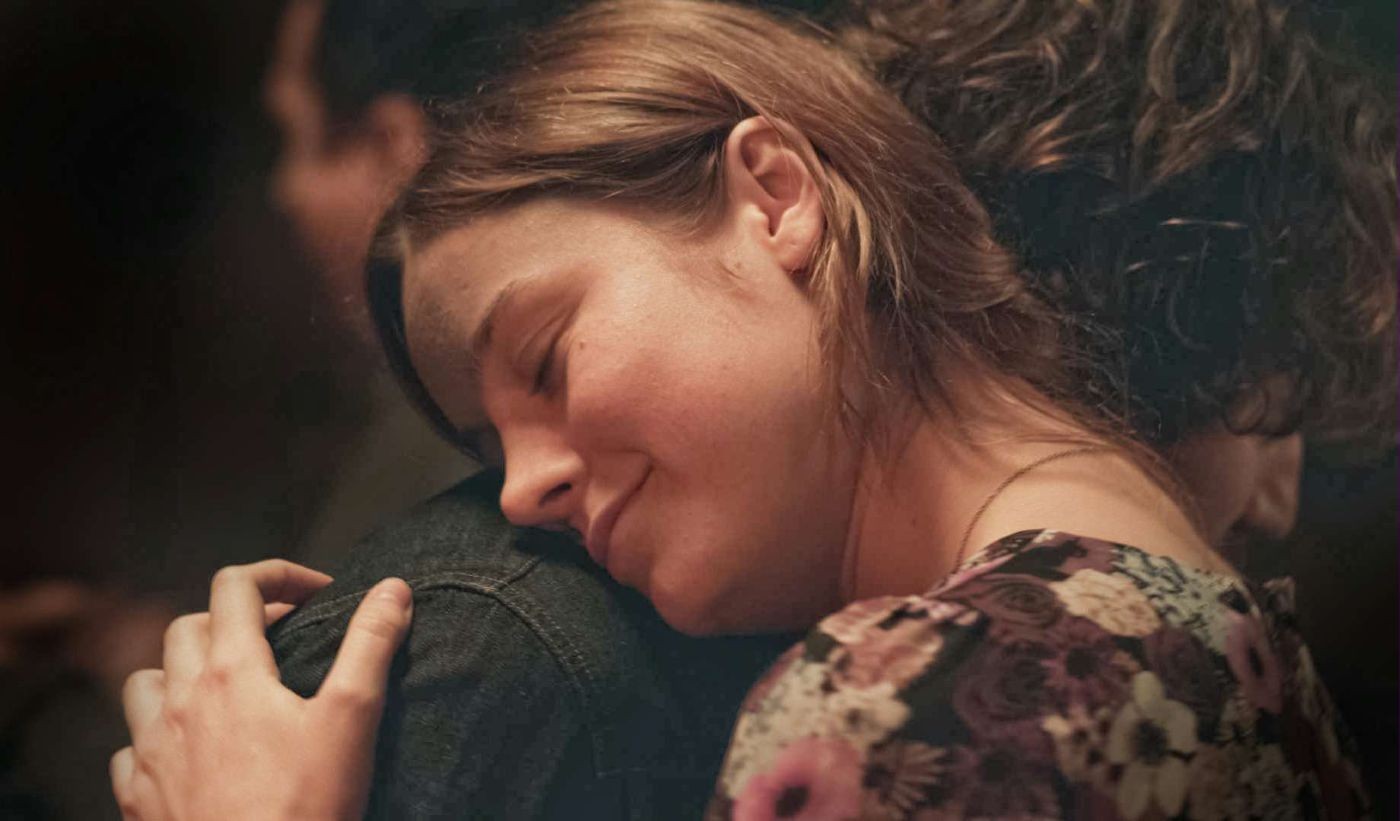
[Destin Daniel] Cretton shows as much care and kindness with the minutiae of the daily routine—the doling out of meds, searches for contraband and forced recreational activities like Wiffle ball games—as he does with the larger issues that plague these lives in flux. He also infuses his story with unexpected humor as the kids hassle each other—and their supervisors—on the road to healing.
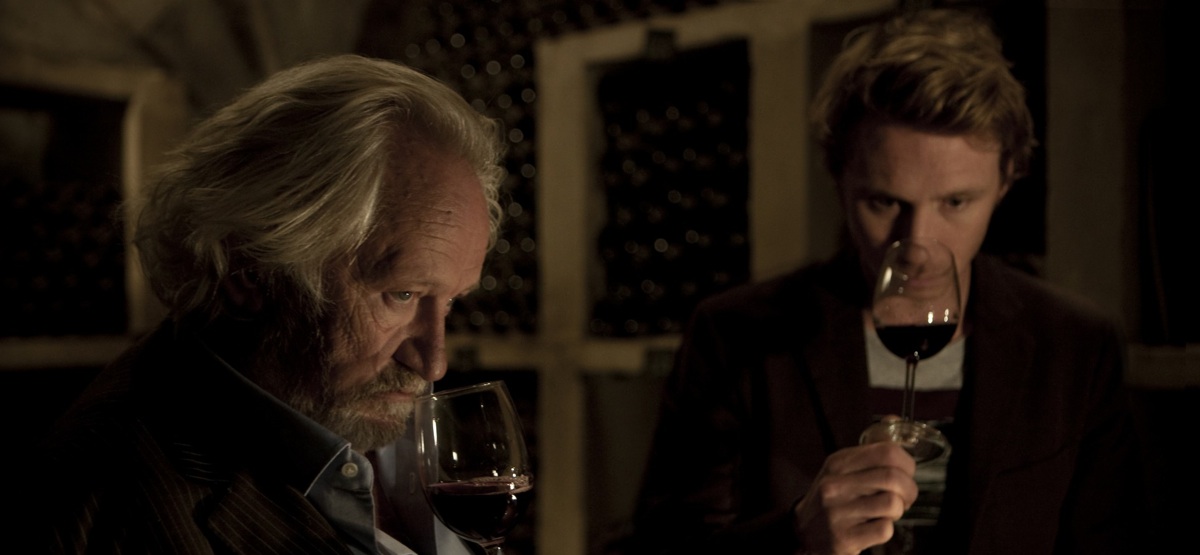
[The film] subtly transforms from one genre to another the way an exquisite, complex wine teases the nose before finishing strongly on the palate.

“Nebraska”
For all the cragginess Woody exudes with his etched face and mess of white hair, he has also inspired a great deal of love in this director. The film’s starkly beautiful final images have a poignancy that might leave a lump in your throat.
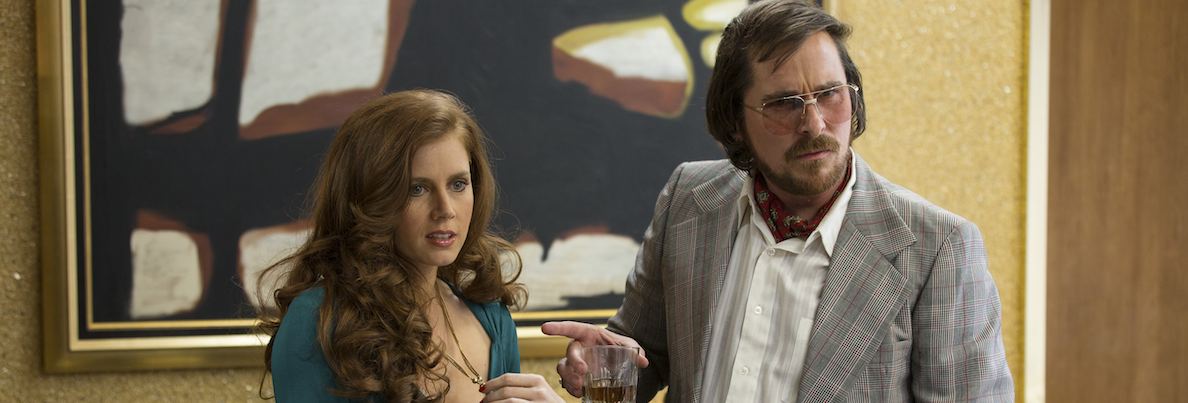
Sure, it looks like the cast went nuts at a Goodwill store and splurged on the grooviest duds they could find for an elaborate game of dress-up, but the clothes more than just a kitschy source of laughs: they’re a reflection of their characters’ ambition, a projection of their glittering notions of the American dream.
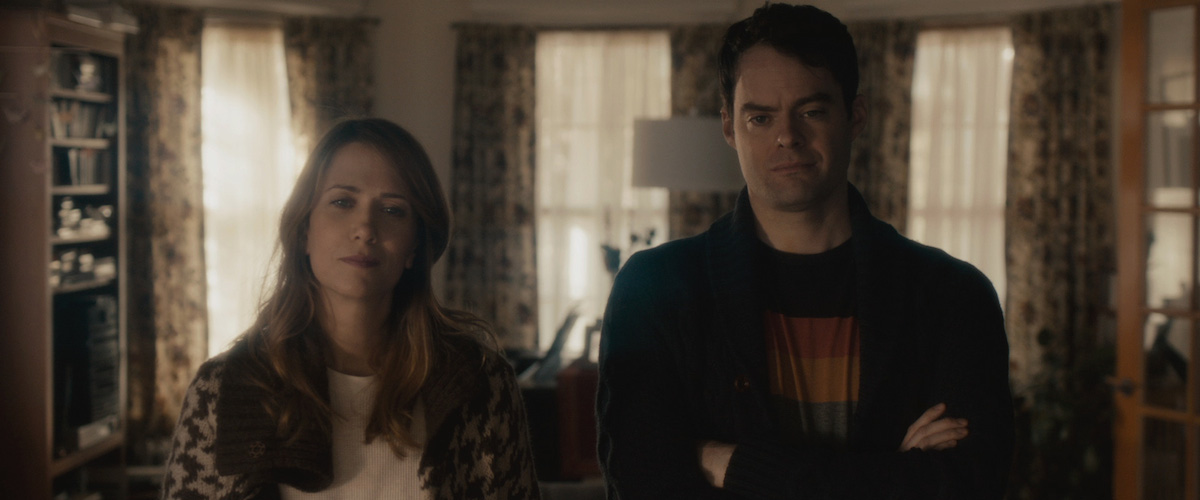
[Kristin] Wiig and [Bill] Hader make this work together through their tremendous chemistry–something you’d expect, given that they were longtime “Saturday Night Live” castmates and are good friends off-camera. […] But this movie asks a lot of them. It asks them to navigate territory that’s both funny and dramatic, light and raw, goofy and brutally honest. And they do it spectacularly.
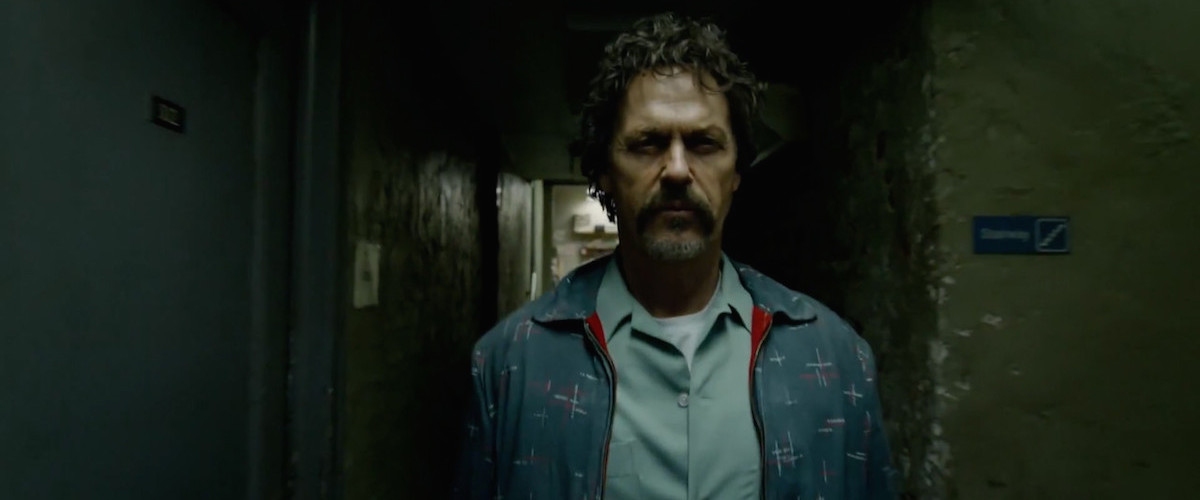
“Birdman”
It’s powerfully clear that they all worked their asses of to make this complicated thrill ride look effortless. The result is one of the best times you’ll have at the movies this year–which might even be the best movie this year.
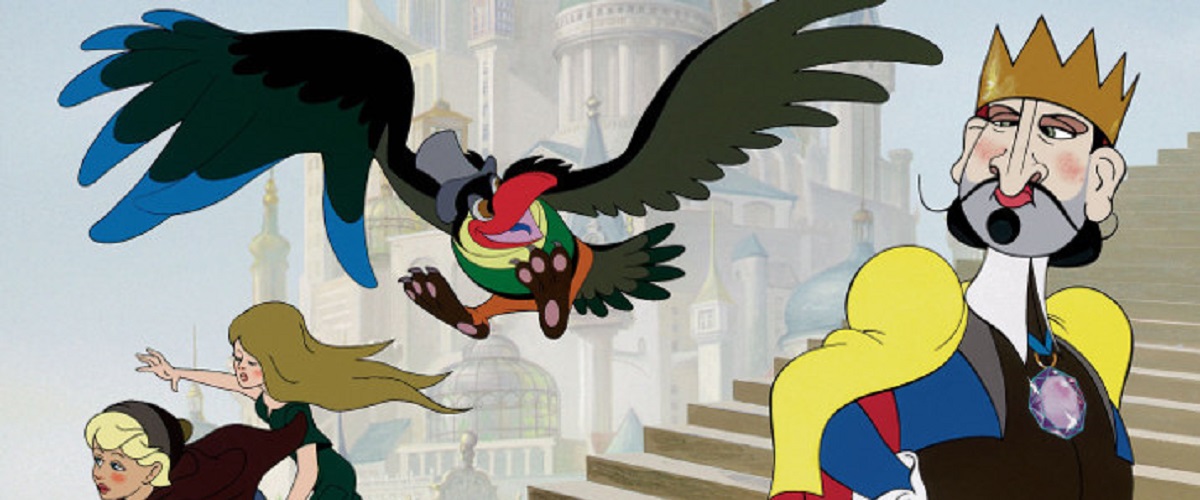
“The King and the Mockingbird”
In one of many examples of the film’s playful use of space, the two figures hold hands between their respective frames until the day they find the courage to leap out and explore the outside world together. [Paul] Grimault depicts the castle as a place that’s dizzying in its boundlessness, from seemingly eternal staircases to secret passageways that magically appear out of nowhere.
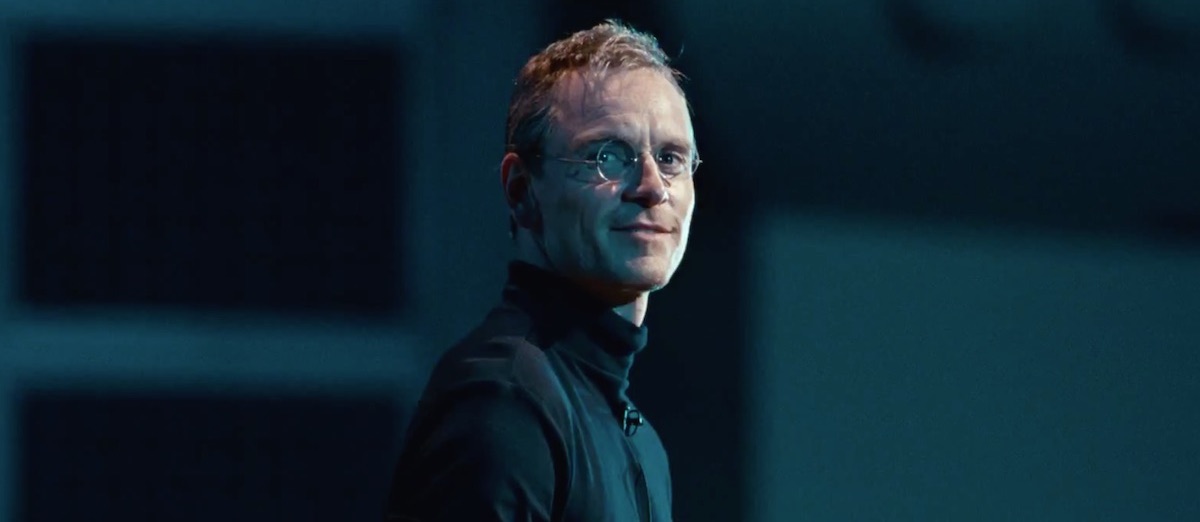
This is a super-Sorkiny Aaron Sorkin script—full of the kind of well-timed zingers and clever turns of phrase that never occur to us in real life. [Seth] Rogen gets the best line of all toward the end, one he levels at Jobs in a crowded auditorium before the 1998 iMac launch: “You can be decent and gifted at the same time. It’s not binary.” With self-conscious beauty and piercing insight, it’s a notion that defines the entire film.

“Mustang”
Set in a coastal town in northern Turkey, [the film] puts a cultural spin on stories of teen-girl angst and sexual blossoming that probably will seem infuriating to many viewers in its closed-mindedness, its archaic inflexibility. But while it takes place in a very specific part of the world, its emotions are universally recognizable, as is the powerful yearning of its young, female characters to establish their own identities and assert their own desires.

[This movie] requires attention and patience, with a script from [Lazslo] Nemes and Clara Royer that’s often wordless or whispered. If you’re not a fan of ambiguity, either from a narrative or moral perspective, you may have trouble here. But this is just a marvel of controlled filmmaking—a bold vision carried out with powerful simplicity, and an impressively assured debut form both Nemes and [Geza] Röhrig as his star.
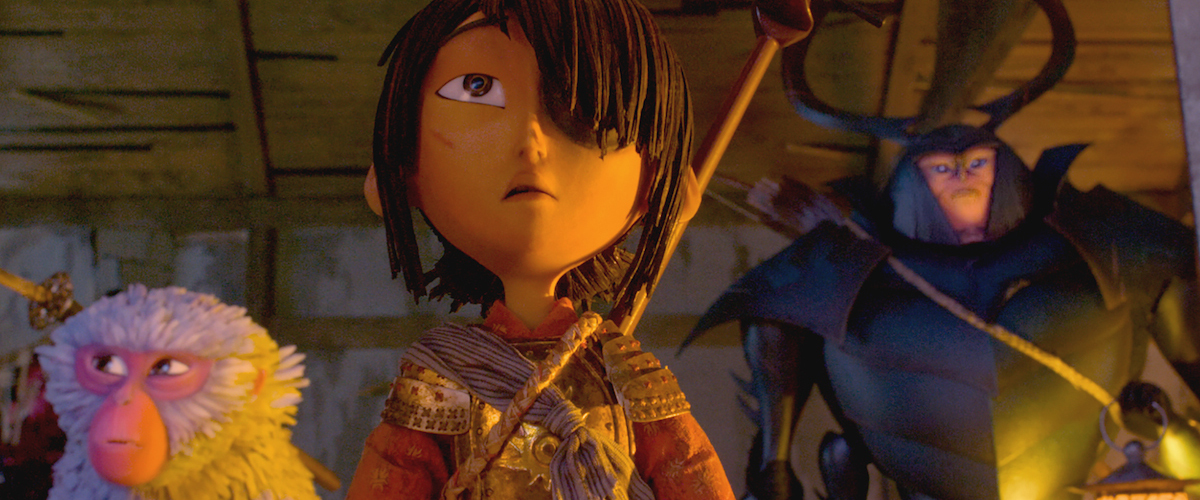
A decade in the making, [the film] is both painstakingly detailed and epic in scope. Inspired by a multitude of Japanese art forms, it’s textured yet crisp, frighteningly dark yet radiant with bold color. It’s a classic hero’s journey full of action and adventure, but it’s also an intimate fable about love and loss, magic and memory.
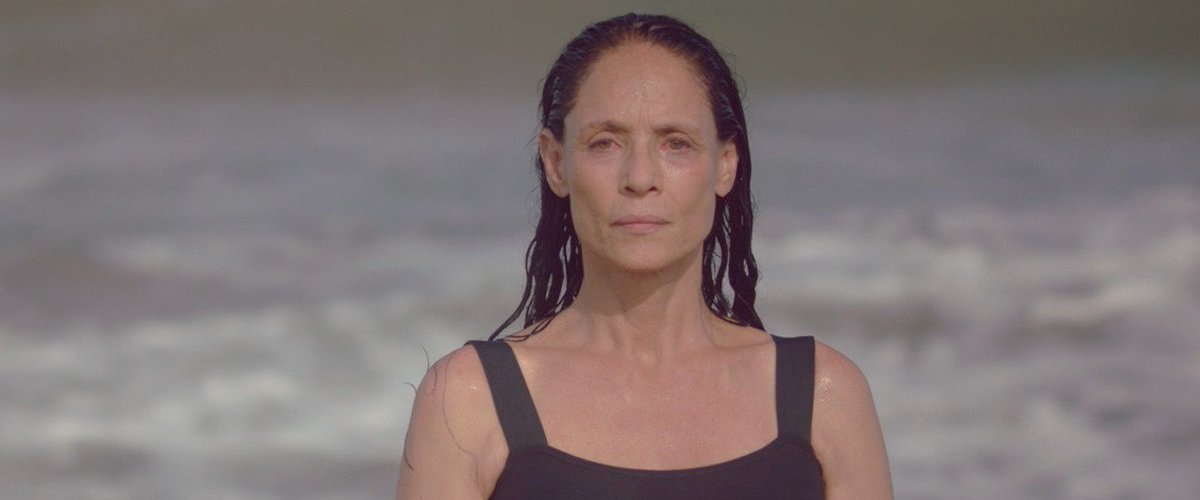
“Aquarius”
So many movies reduce older characters to a series of wacky or awkward moments: Viagra jokes, early-bird dinners, bafflement over social media, that sort of thing. Clara, a retired music critic and the widowed mother of three grown children, balances the wisdom of age with a fervor for staying current, and it’s such a cool and refreshing change.
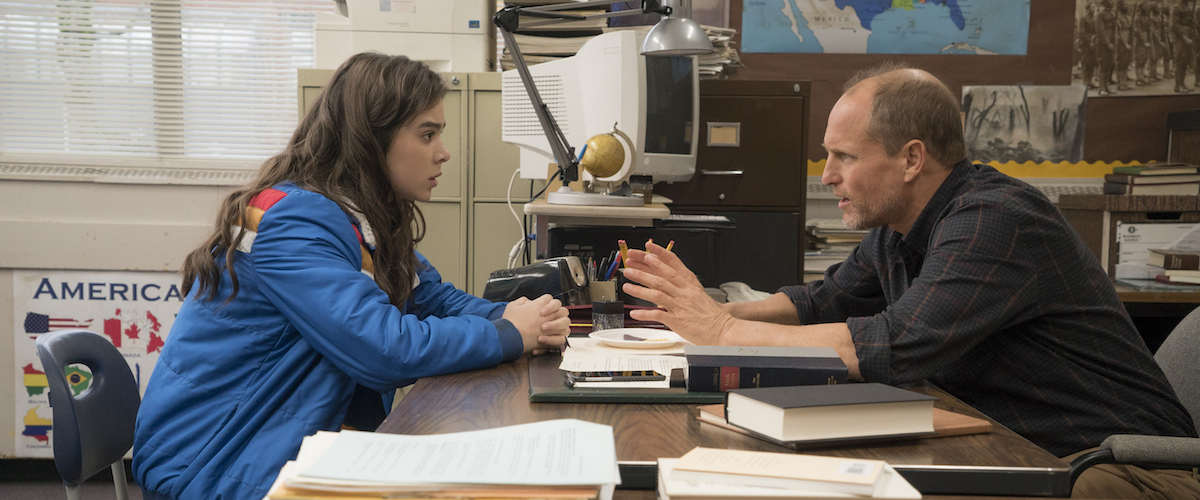
She can be mean and impulsive and she’s often the victim of her own undoing. [Hailee] Steinfeld makes this intriguing jumble of contradictions feel real and alive. She doesn’t seem interested in making us like this girl who’s perched on the edge of womanhood. She just tries to make her feel true—and that’s what makes us love her.

“Moana”
It’s a must-see for girls and boys alike, though. And it features an astonishingly assured, auspicious debut from Auli’I Cravalho, a Hawaiian teenager showing chops and instincts well beyond her experience and years. In lending her voice to the title character, Cravalho radiates grace, great timing and an infectious energy.
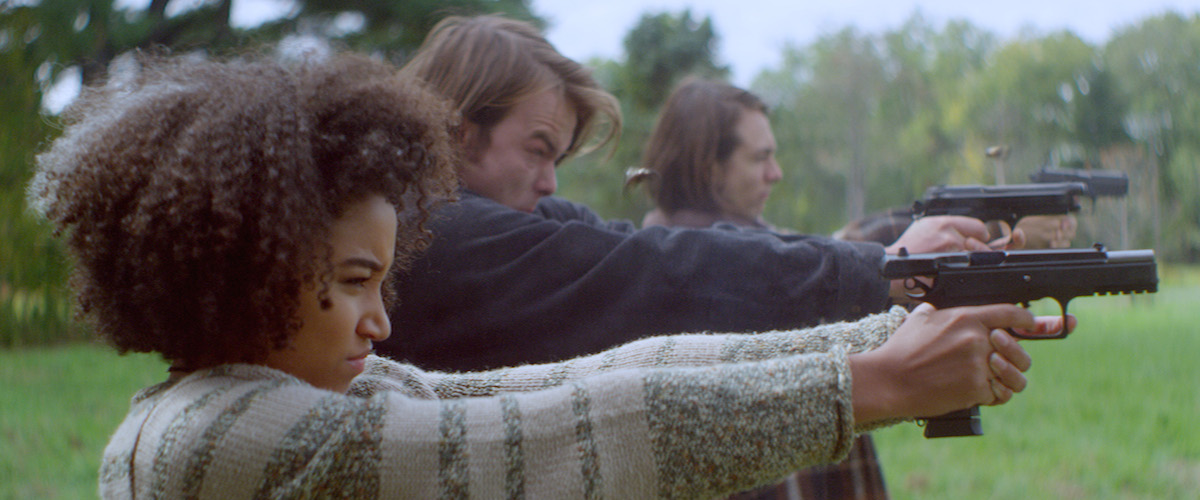
From the very start, [Miles] Joris-Peyrafitte creates an intriguing contrast of moods—the push-pull between the wonder of discovery and the dread of reality. We know from the start that something terrible happens, but getting there provides a journey of joy and heartache, mystery and melancholy.
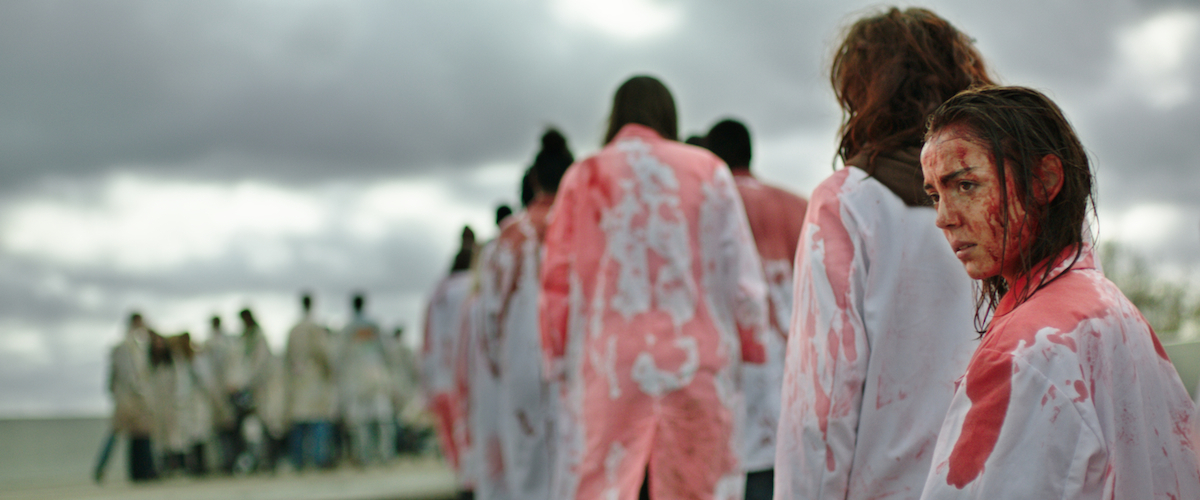
“Raw”
On International Women’s Day, it seems only fitting to write a review of [this picture], a horror film about a brilliant but innocent teenage girl who finally lets loose and asserts her true identity as a cannibal. It may not sound like it on the surface, but [the film] is absolutely a celebration of female power—of realizing who you are, what you want and how to go after it, albeit with brutally bloody results.
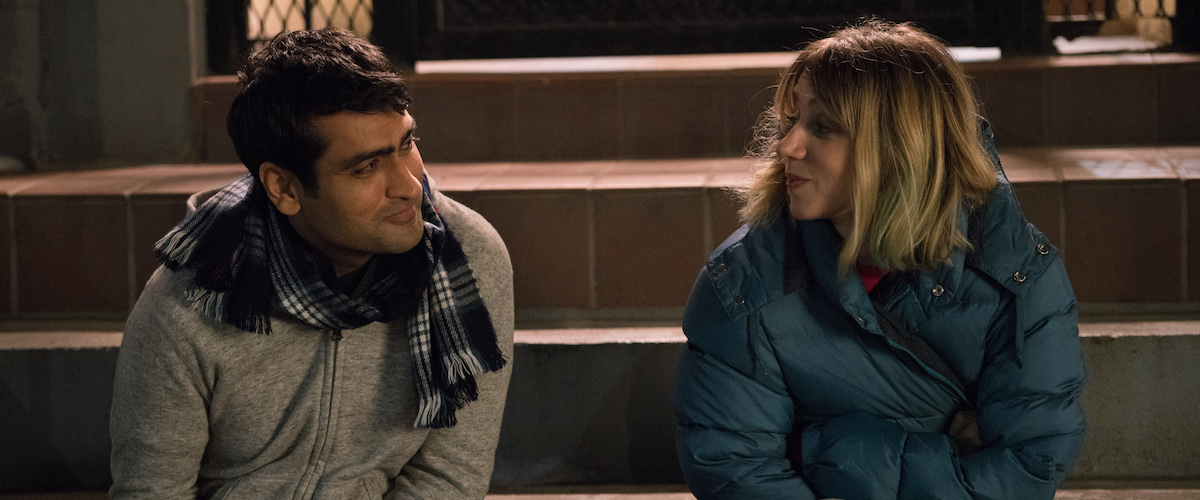
[Kumail] Nanjiani and [Emily] Gordon have dared to make themselves vulnerable here, allowing us an intimate glimpse into a traumatic and frightening time in their lives. They imbue moments both large and small with such an abiding honesty, though, that [their film] never feels like shameless navel-gazing. The events that ultimately brought the two together are extreme, but the depiction of them always rings true.
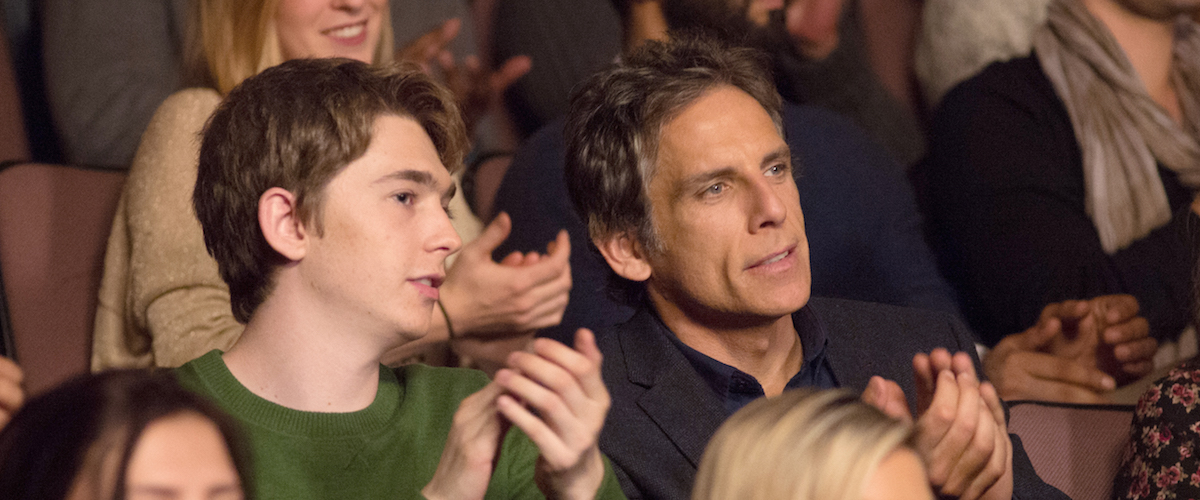
Despite the specific nature of the character [Ben] Stiller plays, [the film] finds a universality in the uncomfortable truths it explores: the human tendency to take stock, especially around middle age, and to compare our lives against both our friends’ achievements and our youthful visions of our future selves.

Writer James Ivory’s generous, sensitive adaptation of Andre Aciman’s novel reveals these characters and their ever-evolving dynamic in beautifully steady yet detailed fashion. And so when Elio and Oliver finally dare to reveal their true feelings for each other—a full hour into the film—the moment makes you hold your breath with its intimate power, and the emotions feel completely authentic and earned.
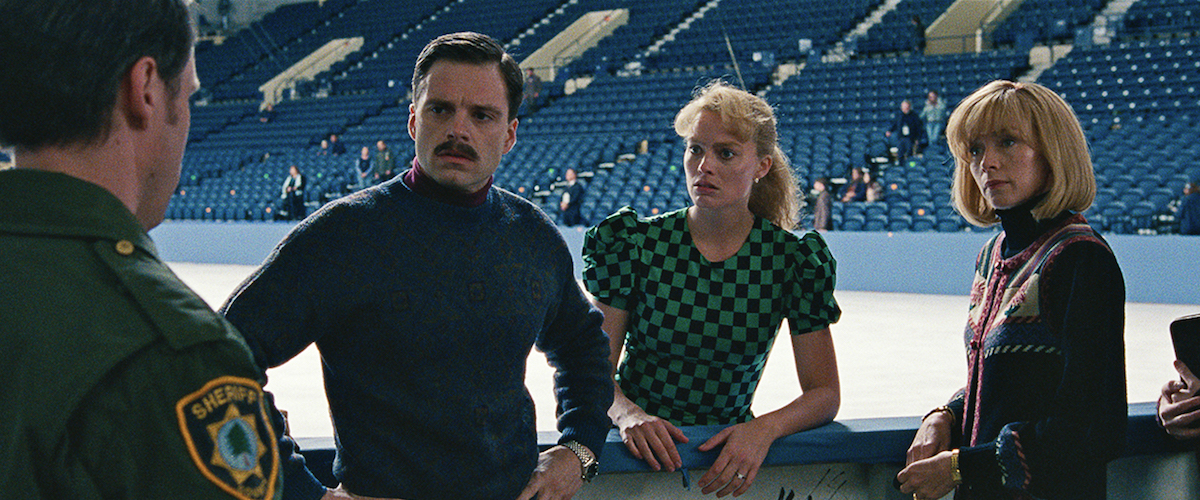
“I, Tonya”
It’s “GoodFellas” on ice—darkly comic and often just plain dark, but always breathtakingly alive. Despite the colorful glitz and cheese of the figure-skating setting, [the film] has an unmistakably tumultuous air from the very start. And at the center of the storm is Margot Robbie in the performance of a lifetime as Harding.
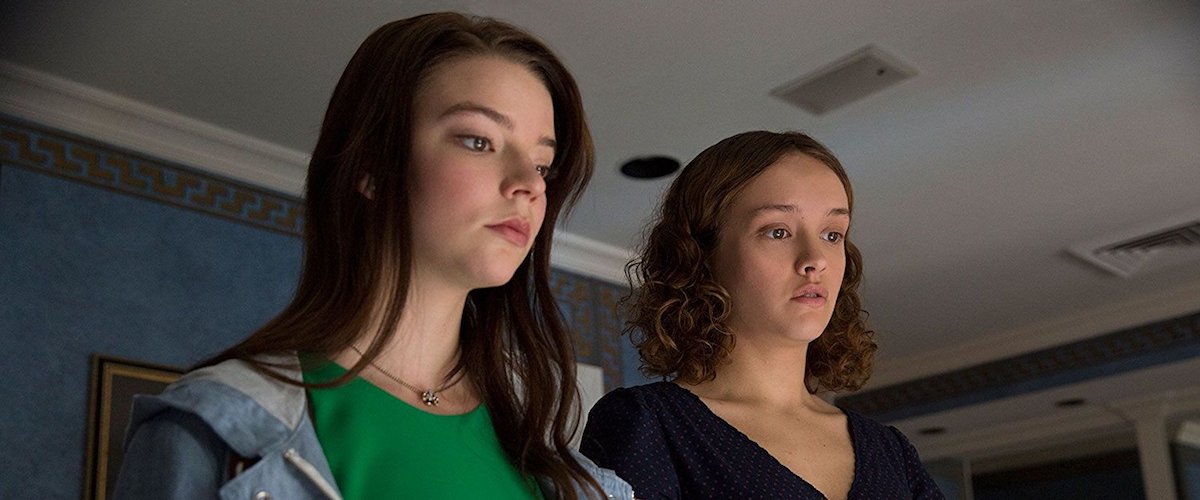
Try as they may, [Cory Finley’s] characters find that their wealth and privilege can’t insulate them from who they actually are. And so when they give in to their true natures, it’s simultaneously frightening and liberating. What starts out as darkly funny becomes deeply unsettling, and the road to get there is suspenseful and precise.
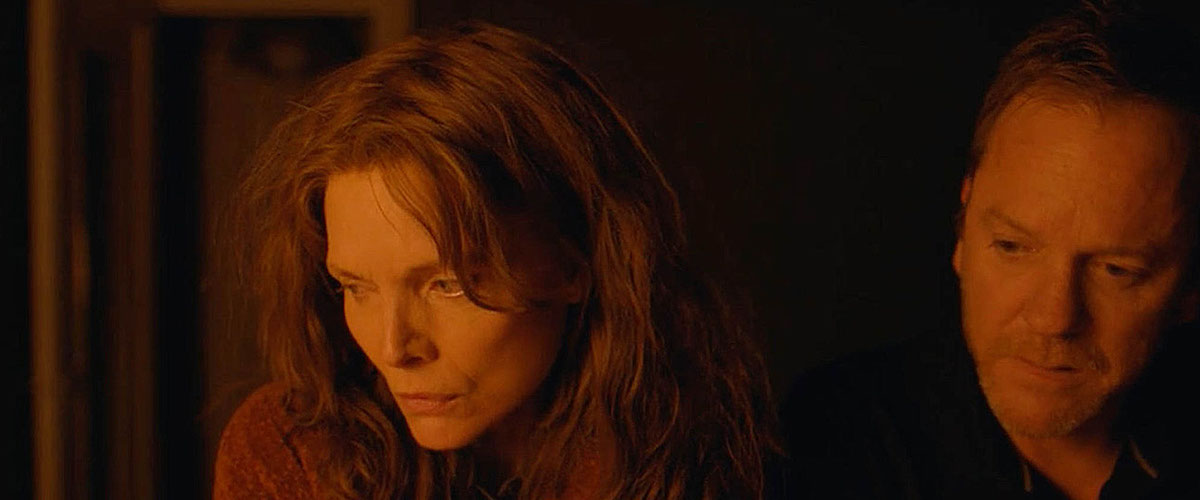
A serious actress who shouldn’t be underestimated has long lurked beneath those piercing cheekbones and blue eyes. [This film] finally allows her to explore the darker, unvarnished side of her talent and gives her the opportunity to do perhaps the best work of her lengthy, eclectic career.
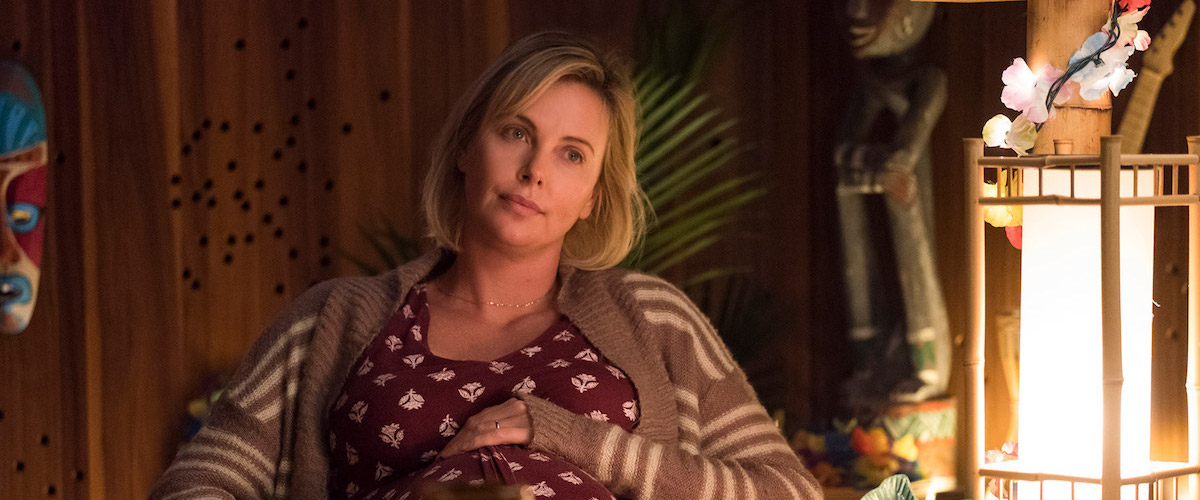
“Tully”
[Diablo] Cody’s characters are growing up along with her; she actually wrote [the film] after having a third child of her own, and the fact that this is such a personal story shines through from the very beginning. It’s at once intimately detailed and narratively ambitious. And it’s surprisingly profound, sneaking up on you with understated yet wholly earned emotion by the end.
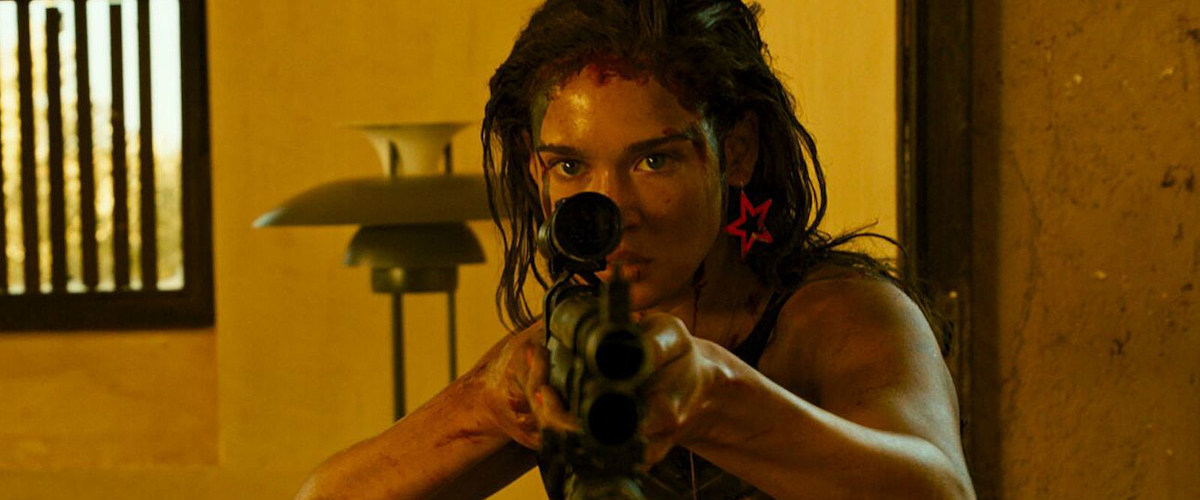
“Revenge”
Turns out, now is precisely the time for this film. It’s intense and often excruciating to watch, but it’s also extremely satisfying as it allows us to live vicariously through a woman who delivers payback and then some to the men who viewed her as disposable.
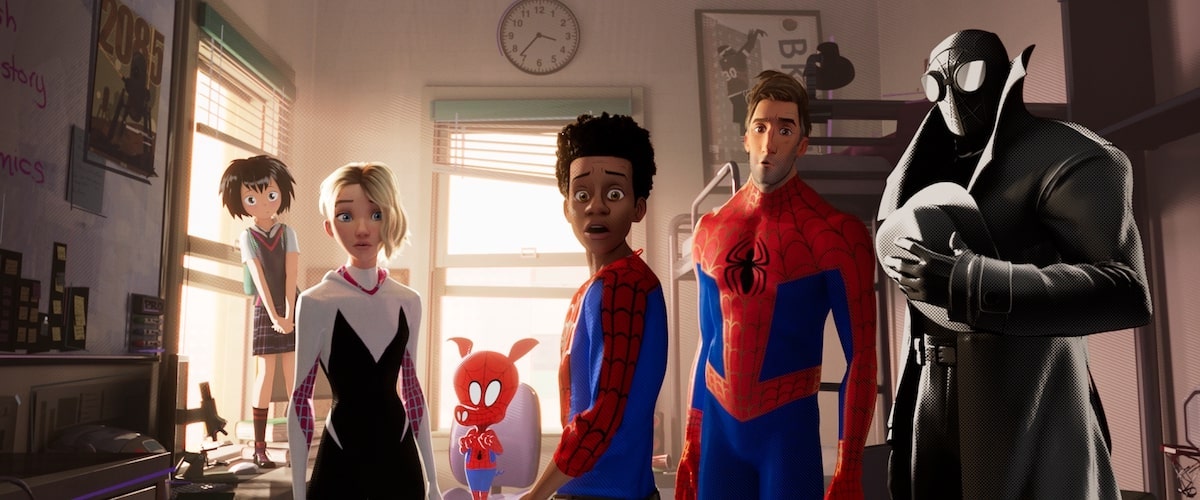
“Spider-Man: Into the Spider-Verse”
As closely as it hews to comic-book imagery and structure within its animated format as it does, [the film] has a wonderfully trippy, dreamlike quality about it. And that’s not just because it features a wisecracking pig in a Spider-Man get-up named Peter Porker, the kind of character you might conjure in your subconscious after eating too much barbecue and taking a shot of Nyquil before bed.
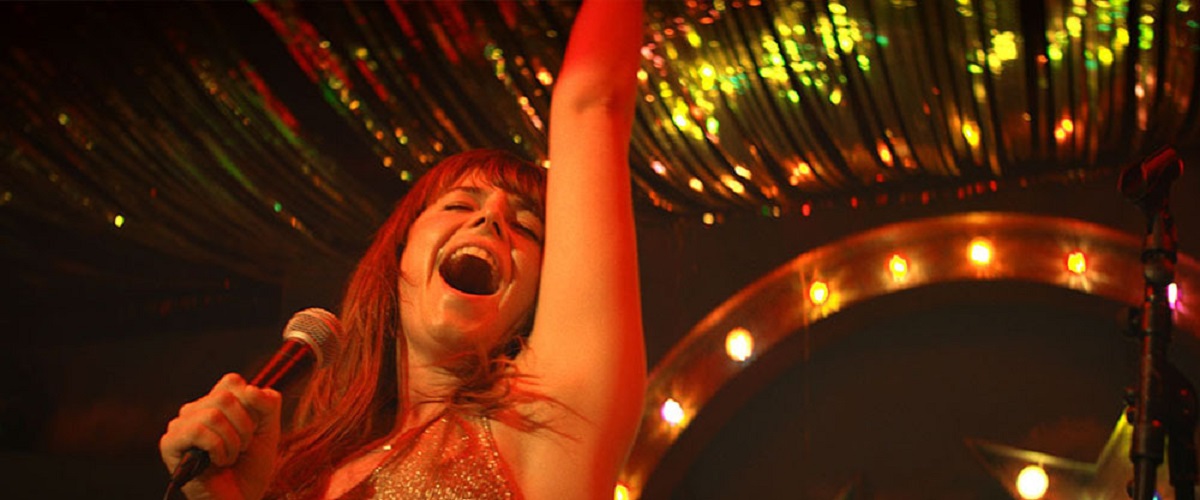
While director Tom Harper gives [Jessie] Buckley the opportunity to take over the screen and mesmerize us, he also knows well enough to sit back and watch and listen during the quiet moments. When Buckley’s Rose allows herself to be vulnerable, to expose herself to the uncomfortable revelations that come with introspection, it can be as powerful as when she’s belting out a song from the heart.
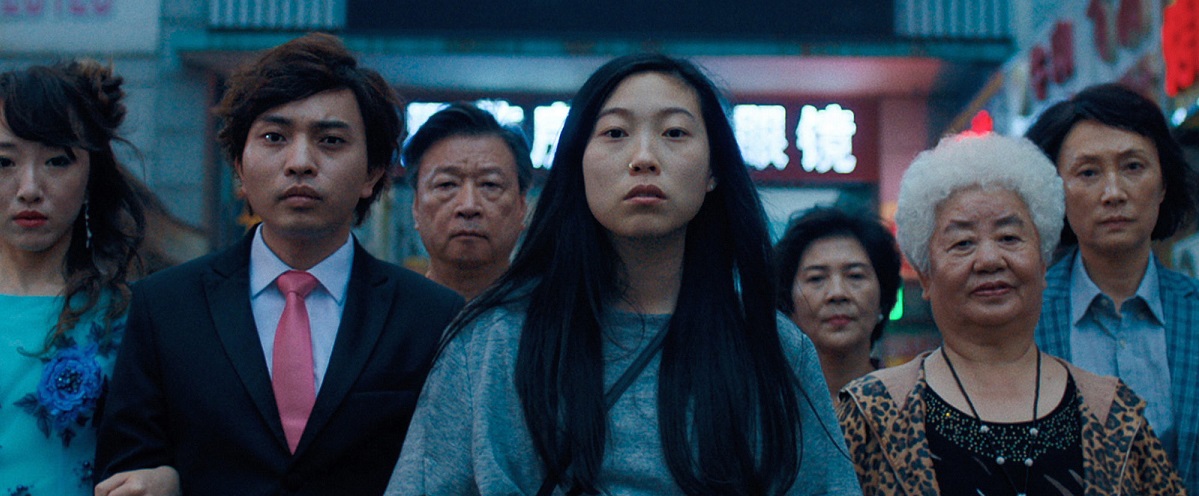
[Lulu] Wang explores cultural differences between East and West and between generations without judgment or pronouncement as to whose approach is best. It’s as if she wants to see all sides of the delicate argument with a kind heart and an open mind. Her approach is so intimate and so no-nonsense, she makes you feel as if you’ve been immersed in this town, this family, this life.
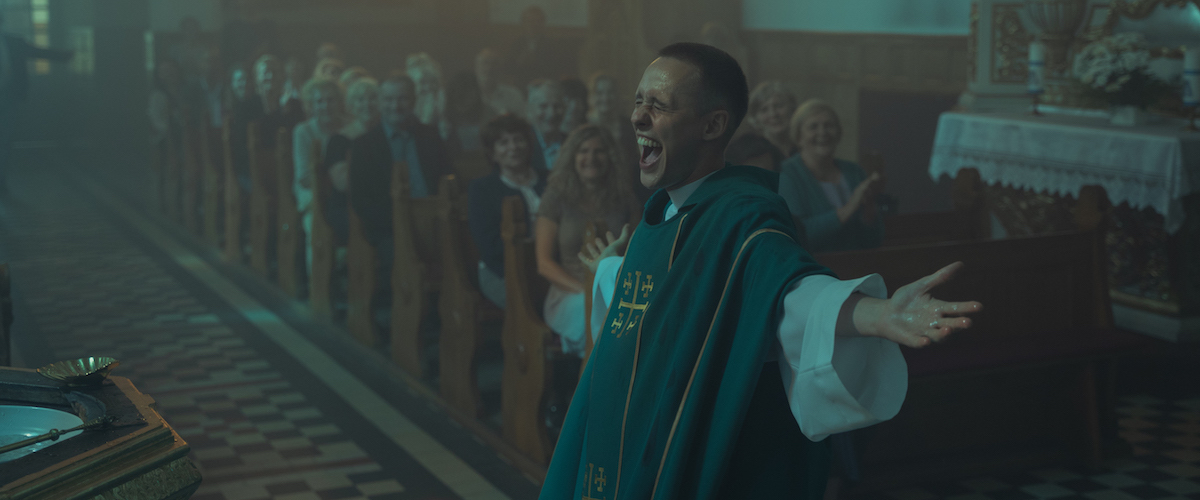
With his chiseled facial features, wiry frame and piercingly clear, blue eyes, [Bartosz] Bielenia is a dead ringer for a young Christopher Walken, and he carries glimmers of the veteran actor’s unsettling intensity, too. There’s an unpredictability to his performance, a sense of both swagger and searching that’s fascinating to watch.
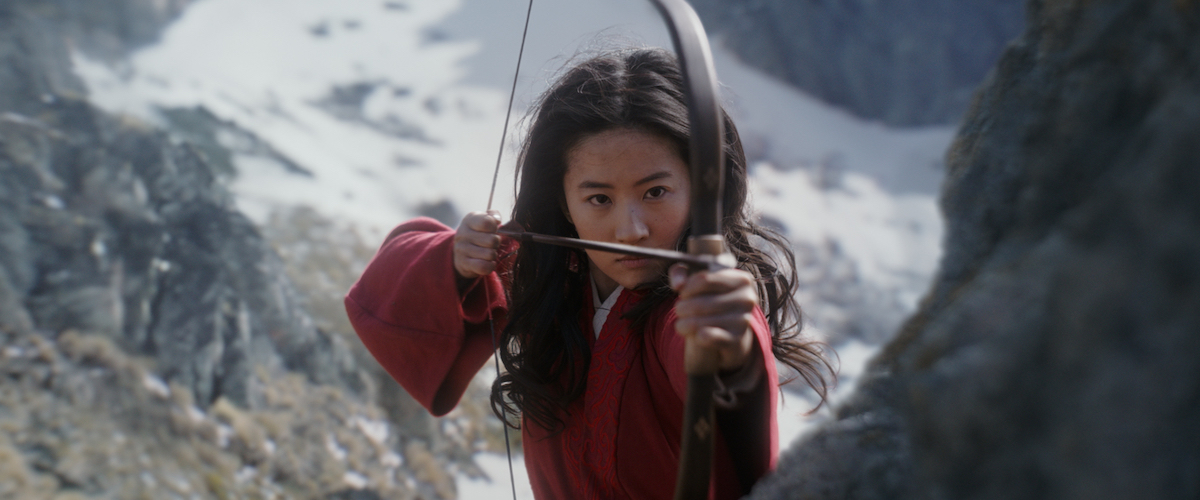
“Mulan”
It’s steeped in traditional cultural locales and details, yet feels bracingly modern with the help of dazzling special effects and innovative action sequences. You want gravity-defying, wuxia-inspired aerial work, and elaborately choreographed martial arts battles and horse stunts? You got ‘em all.
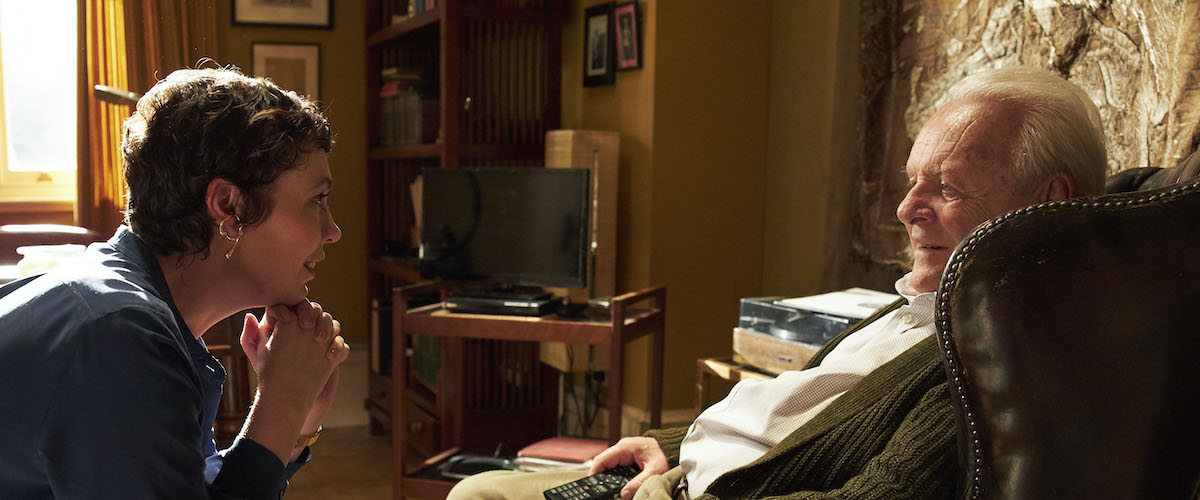
[Florian Zeller] puts us within the mind of the ailing [Anthony] Hopkins’ Anthony, allowing us to experience his confusion as if it were our own. But he also offers the perspective of the caretakers and loved ones who try to settle his volatile temper and organize his jumbled memories. We never know what’s true—or who, for that matter, as characters come and go and take on various names and identities, depending on his recognition of them. Everything is fleeting and yet each specific moment feels urgent and real.
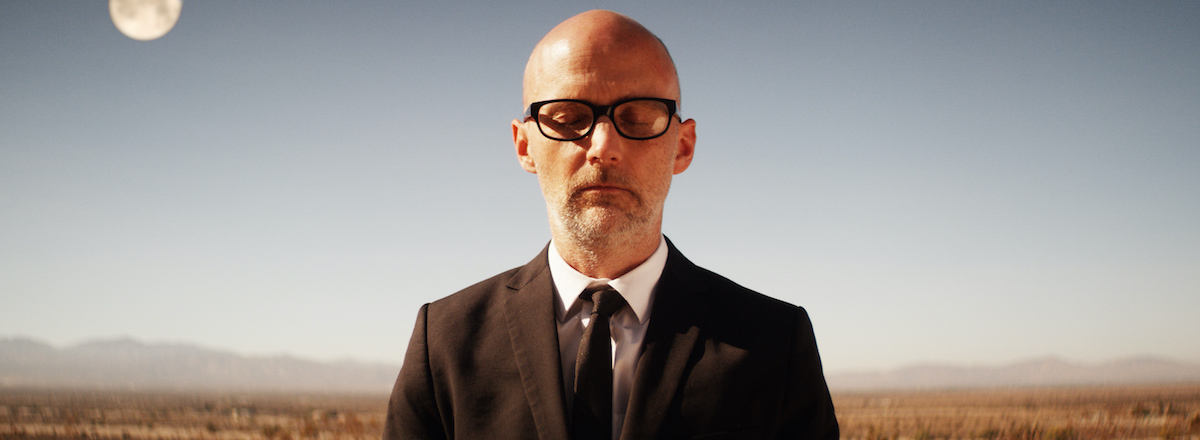
“Moby Doc”
What is novel is the way the documentary explores both his childhood trauma and his adult torture. With its surrealist tones, striking visuals, and self-referential asides, director Rob Gordon Bralver establishes a delicate balance between the playful and the tragic that’s constantly alive and surprising.
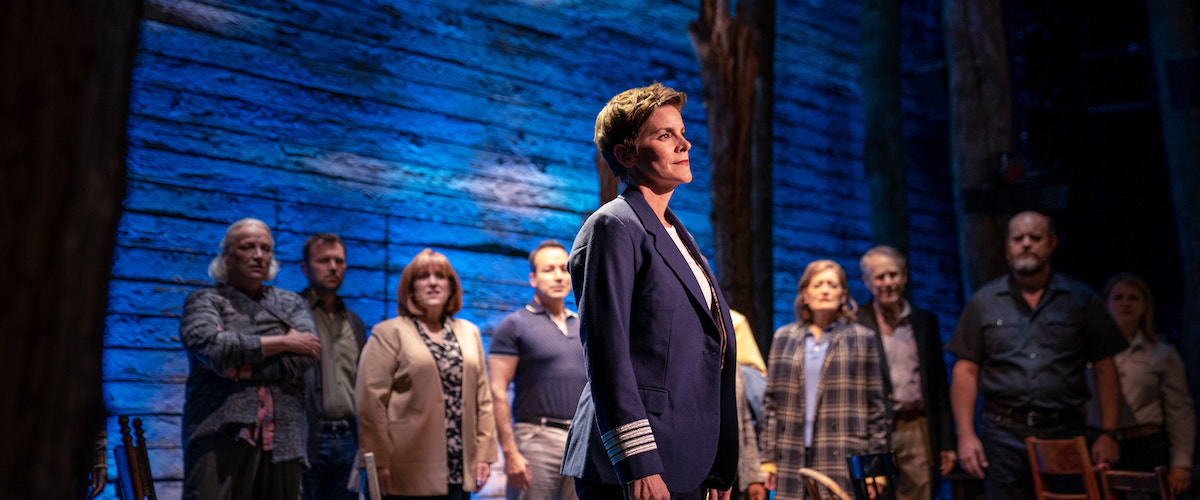
What an oddly comforting feeling it is to watch a movie about a crisis in the middle of another crisis. Twenty years later, the caring gestures large and small depicted here carry a whole new resonance, a fresh sense of catharsis and even hope.
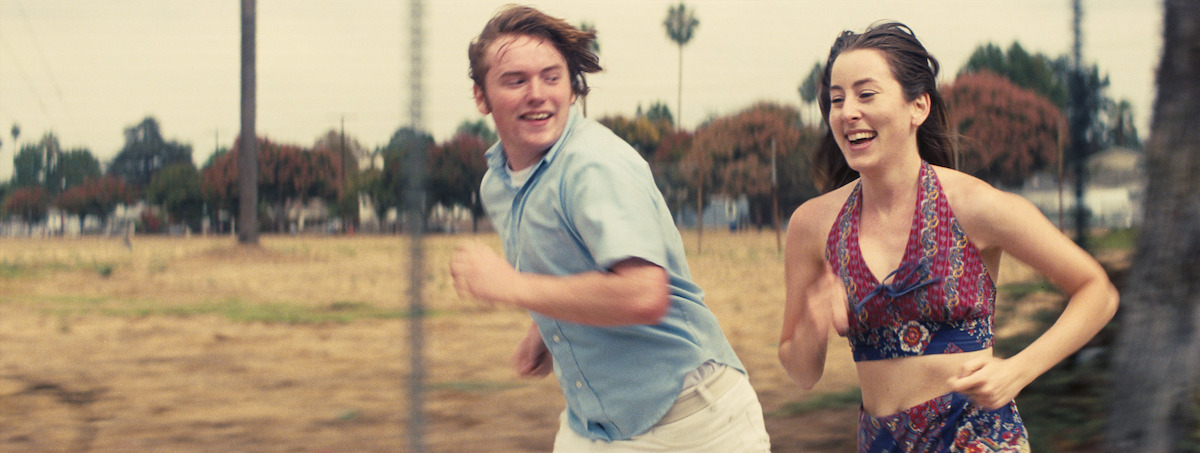
[The film] meanders in the best possible way: You never know where it’s going but you can’t wait to find out where it’ll end up, and when it’s over, you won’t want it to end. Once the credits finished rolling, I had no desire to get up from my seat and leave the theater, I was so wrapped up in the film’s cozy, wistful spell.
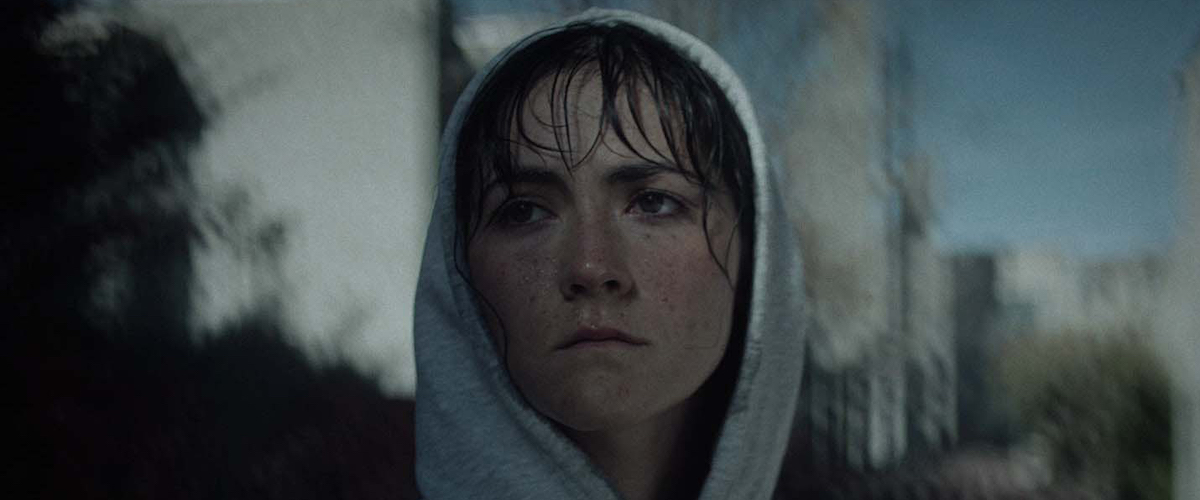
What’s even more impressive is that [Isabelle Fuhrman] achieves so much wordlessly, simply through the flicker in her dark eyes or a shift in the way she carries herself. Watching her character destroy her body and mind in the name of athletic greatness won’t make you want to run out and follow her example, but it’ll intrigue you as to why she does it.
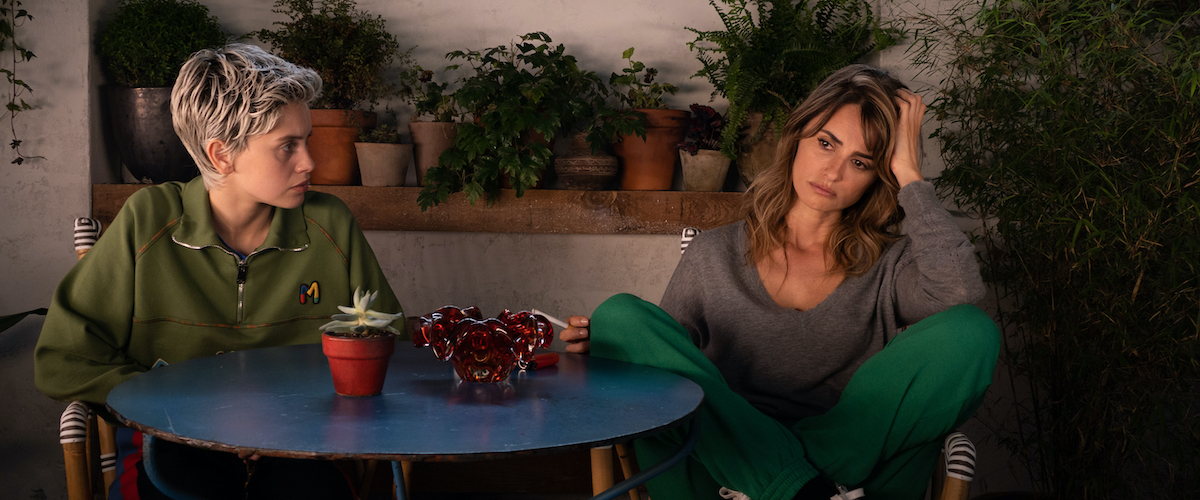
It’s as if [Pedro] Almodóvar has achieved a magic trick, lulling us into familiarity with his usual performers, colors and themes before surprising us with what he really wants to say. [The film] may look simple at the outset with its high-concept, dramatic premise, but it eventually reveals that it has much more on its mind, and in its heart.

In [Matt] Reeves’ confident hands, everything is breathtakingly alive and new. As director and co-writer, he’s taken what might seem like a familiar tale and made it epic, even operatic. His “Batman” is more akin to a gritty, ‘70s crime drama than a soaring and transporting blockbuster.

The interviews are so vivid and engaging, however, that they frequently provide the excitement of a spy thriller. Women with ordinary names like Eleanor and Judith recount in extraordinary detail the lengths to which they’d go to connect with women in need: secret meetings and code words, rotating vehicles and locations.
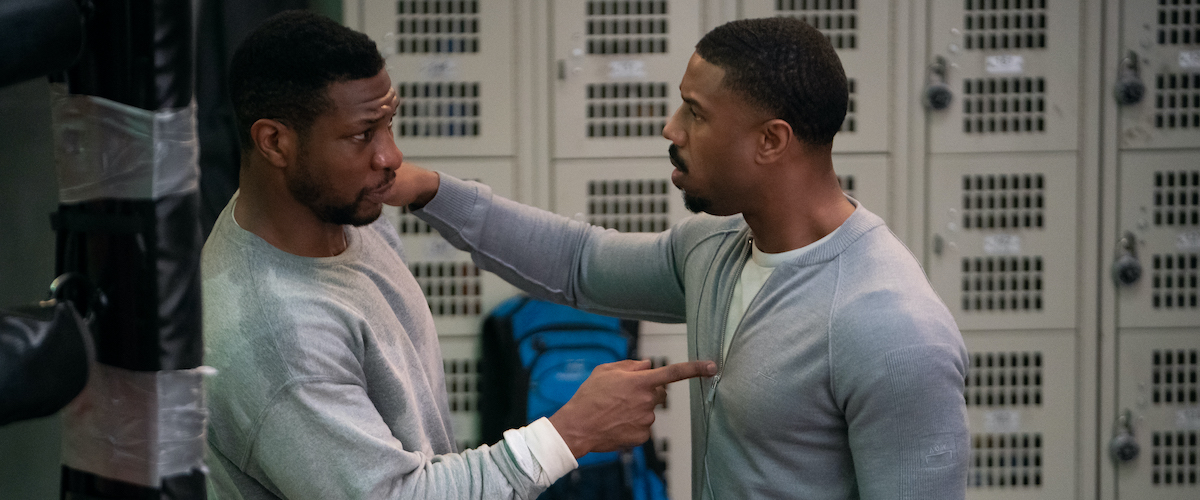
[Michael B.] Jordan the director takes a seemingly simple scene in which Adonis and Damian share an awkward reunion dinner and tells a full, rich story with it. The close-ups, the pacing, the decision to hold on an actor’s face for a beat or two longer than expected—they all convey so much meaning and subtext. The exchange is powerful for what it doesn’t show—for what these characters don’t tell us, for what they hold back strategically but we can sense, nonetheless.
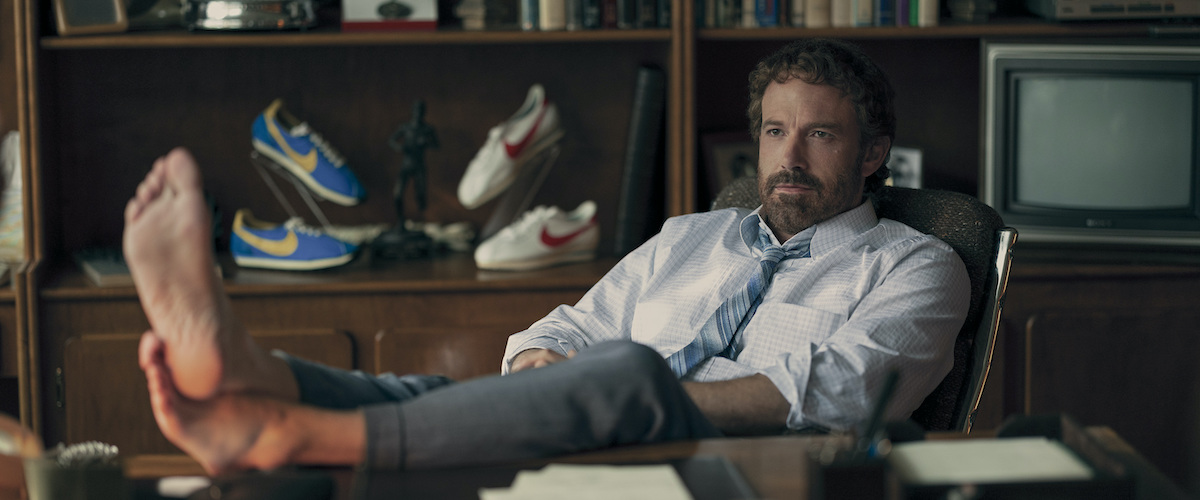
“Air”
If you love movies about process, about people who are good at their jobs, then you’ll find yourself enthralled by the film’s many moments inside offices, conference rooms, and production labs.
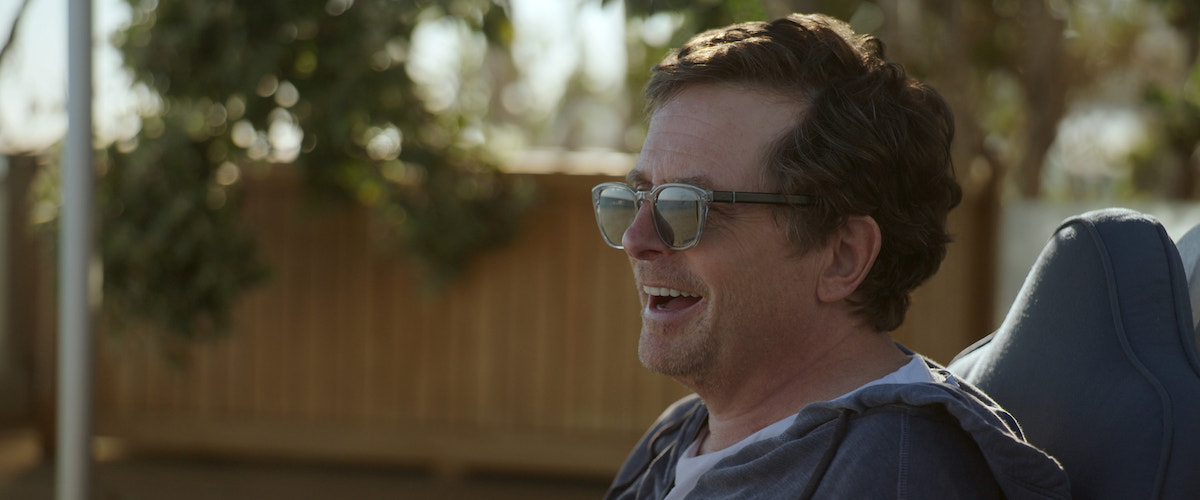
“STILL: A Michael J. Fox Movie”
This could have been mawkish—an “eat your vegetables” movie about an inspirational figure overcoming adversity. But keeping Fox’s self-effacing, no-nonsense voice as a through-line consistently buoys [the film]. […] There are life lessons here to be learned and shared, for sure. But the film moves with such thrilling pacing it feels more like a celebration.
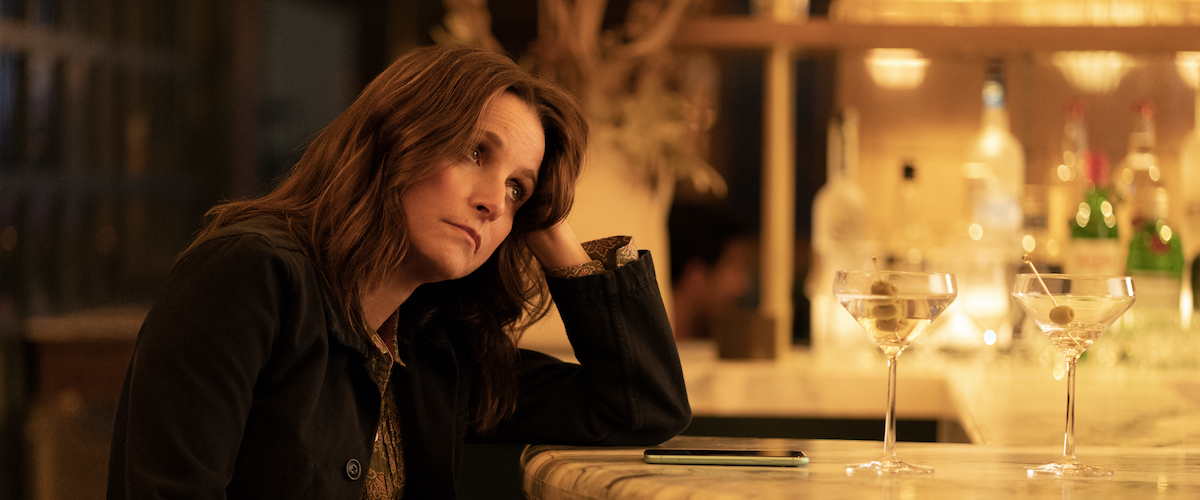
[Nicole] Holofcener finds both humor and wisdom within the complexity of her cringe comedy, providing rich fodder for conversations afterward. […] The moral of the story seems to be: Honesty is better in the long term, even if it’s unpleasant immediately. But in Holofcener’s films, as in real life, that’s not so simple.
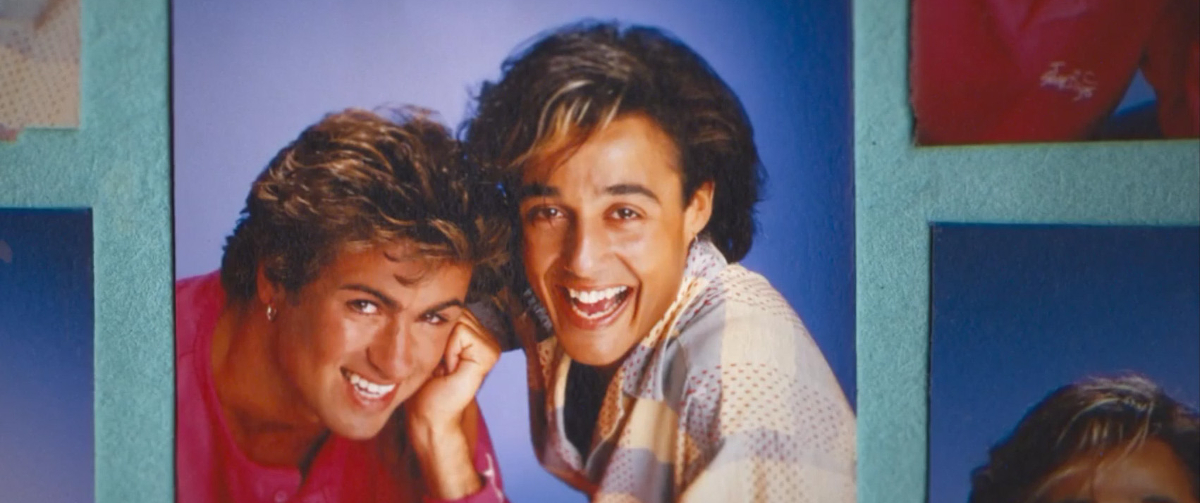
“Wham!”
The friendship endured, and that’s much of what makes [the film] stand out from other music documentaries: the warmth, the fondness, and the absence of the kinds of creative struggles and egotism that so often turn these tales into cliches.

“Barbie”
[The film] can be hysterically funny, with giant laugh-out-loud moments generously scattered throughout. They come from the insularity of an idyllic, pink-hued realm and the physical comedy of fish-out-of-water moments and choice pop culture references as the outside world increasingly encroaches.
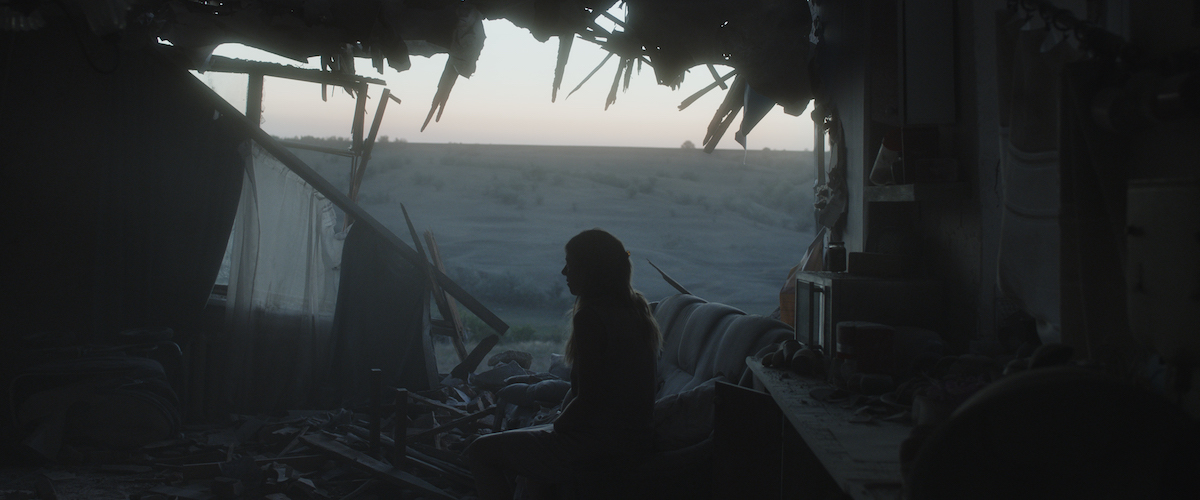
“Klondike”
[Maryna] Er Gorbach’s film may feel too slow and restrained at times, but moments like this in which she lets her powerful imagery play out in unadorned fashion show why this was such a wise choice. And while this particular story takes place nearly a decade ago, it remains unfortunately timely as Russia’s horrific war in Ukraine rages on.
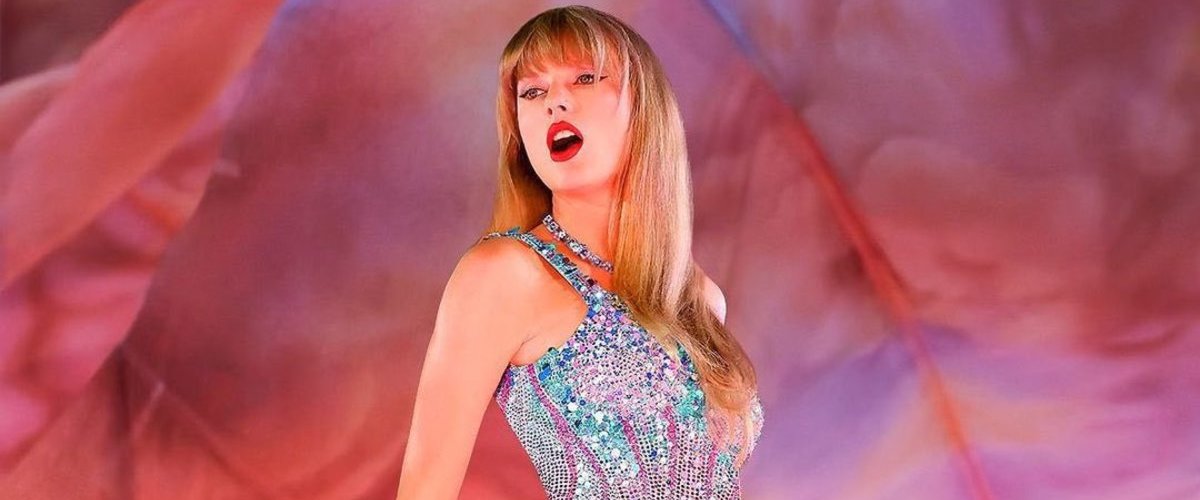
She’s both the delightful dork and the vengeful vixen, but she finds a way to make every person in that crowd feel like they’re her BFF and soulmate. Maintaining relatability within stratospheric superstardom has been Swift’s impressive balancing act, and that’s always on display here, no matter what song she’s singing.

“Renaissance: A Film by Beyoncé”
The introduction of her 11-year-old daughter, Blue Ivy, to dance during several numbers provides a surprising amount of emotion. Blue trained hard to earn her spot onstage for songs including “My Power,” Beyoncé tells us, and in that moment, she’s just a fellow mom bursting with pride to see her child grow and thrive.
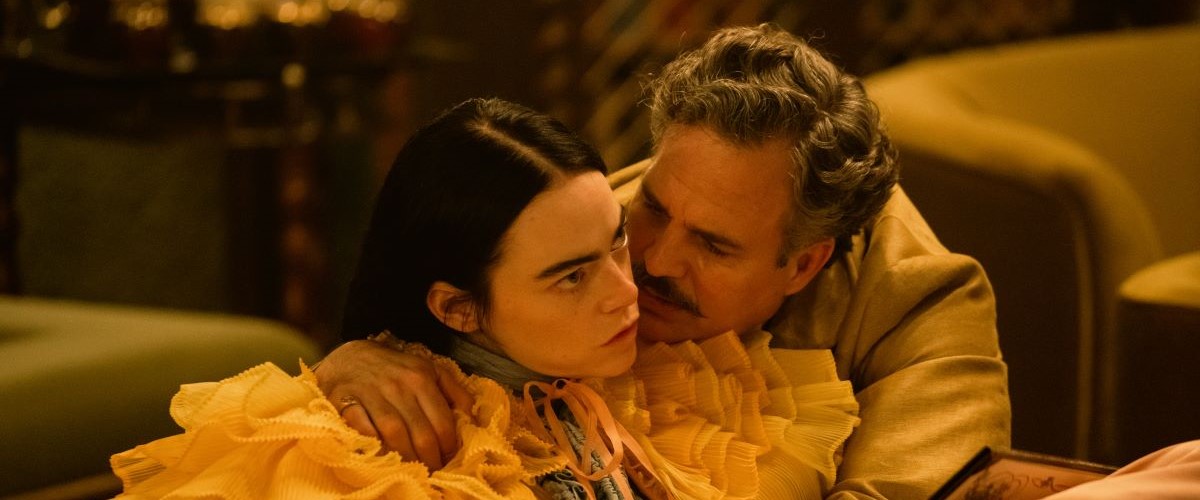
Everything here is wonderfully bizarre, from the performances and dialogue to the production and costume design. And yet at its core, as is so often the case in the Greek auteur’s movies, [the film] is about the awkwardness of forging a real human connection. We want to know each other and make ourselves known.
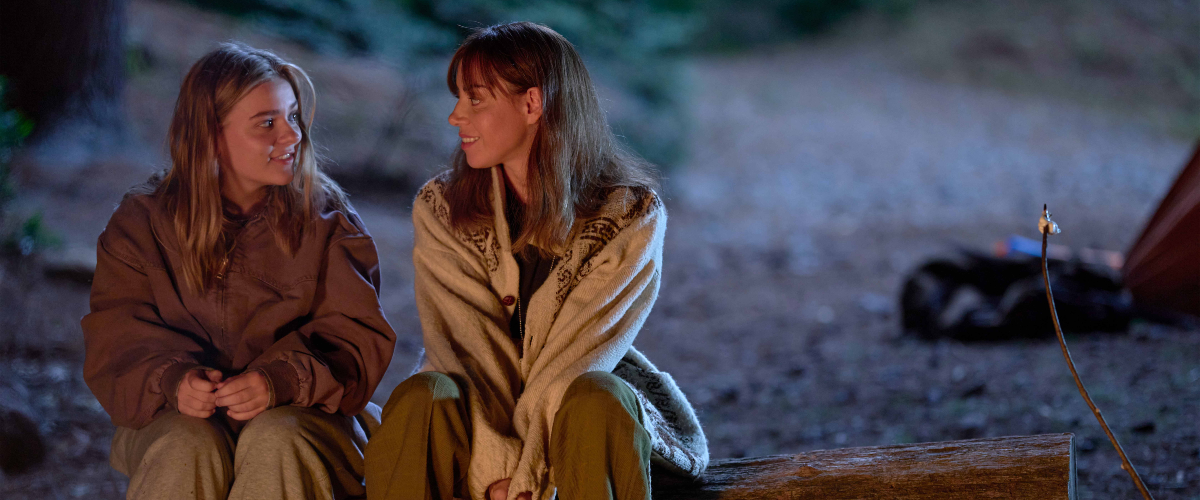
[Megan] Park navigates some tricky tonal shifts in the film’s third act, blending heartache and hope while weaving in the humor. And the more layers she reveals of her characters, the more interesting they become. This is especially true of [Aubrey] Plaza’s Older Elliott, who registers powerfully in just a few scenes. Younger Elliott may not have all the answers yet, but at least she’s getting more comfortable asking the questions.

Using sly humor to explore a serious issue, [the film] has the potential to reach a broad audience on the topic of veterans’ mental health—particularly at a time when the current presidential administration is decimating the care our service men and women deserve. This is a persuasive piece of advocacy filmmaking, tucked inside a playful and profane comedy about female friendship. You’ll laugh. You’ll cry.

[The film] is an intimate study of trauma that plays with the gripping suspense of a globetrotting spy thriller. It’s a tale of revenge but also one of personal redemption, based on devastating true events. That would sound like a difficult balance to achieve, both narratively and tonally, but director and co-writer Jonathan Millet does it with a sure and intuitive touch in his feature filmmaking debut.

[Celine Song] once again reveals a startling ability to write characters who feel real and complicated, messy and vulnerable, but are also blessed with the gift of saying the right thing at the right time in a way that’s direct but poetic.

“Twinless”
[The film] initially features the gentle beats of a sweetly melancholy indie comedy. But [James] Sweeney has darker and more complicated instincts on his mind, both behind and in front of the camera. He’s getting at something deeper here about the all-consuming nature of loneliness, and the extent to which people will go in their desperate need for companionship.
II. FEATURES

The women in Seidelman’s films are often trying to find their place in the world, their voice. And despite a frequently off-kilter, surreal sense of humor that permeates her storytelling, Seidelman celebrates the way in which women draw strength by remaining loyal to each other.
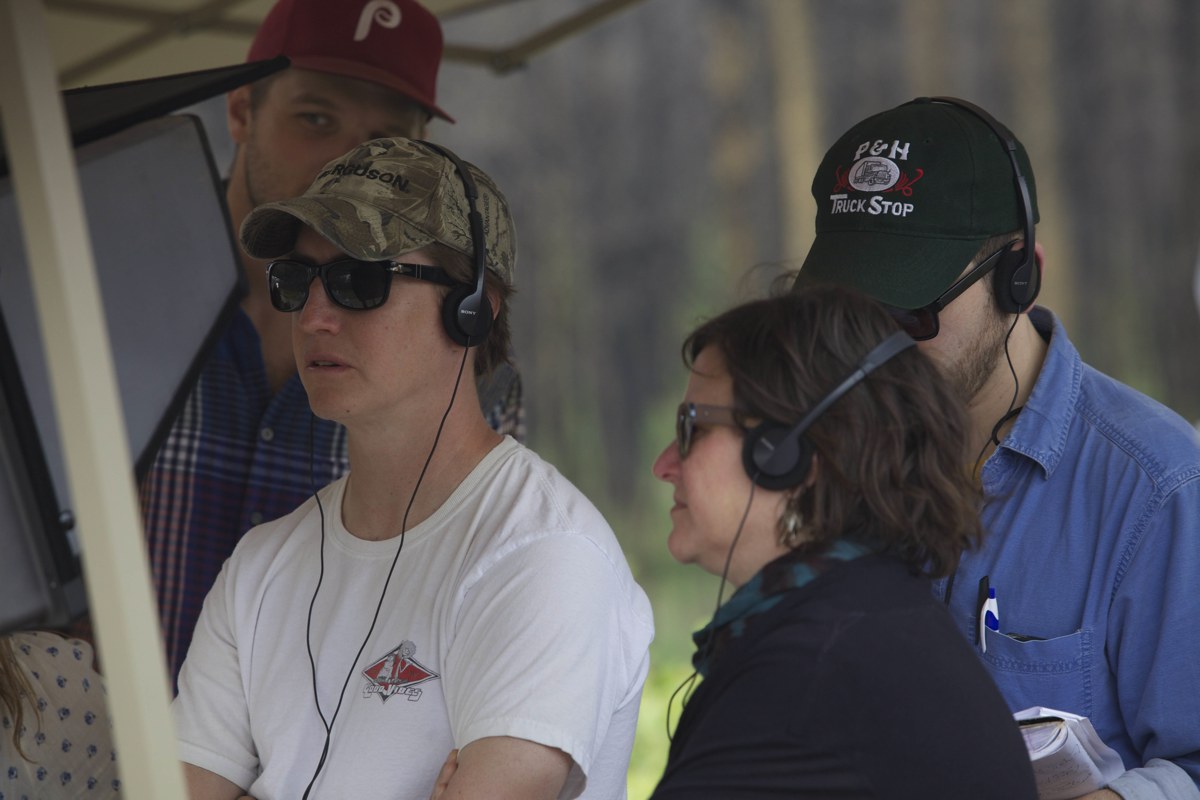
“David Gordon Green’s traveling movie circus”
Green’s latest, “Prince Avalanche,” in theaters this weekend, seamlessly blends these two seemingly contradictory artistic instincts within the writer-director: It has the unhurried pace and richly naturalistic aesthetic of his early, indie dramas with the comic banter and oddball characters of his later work.
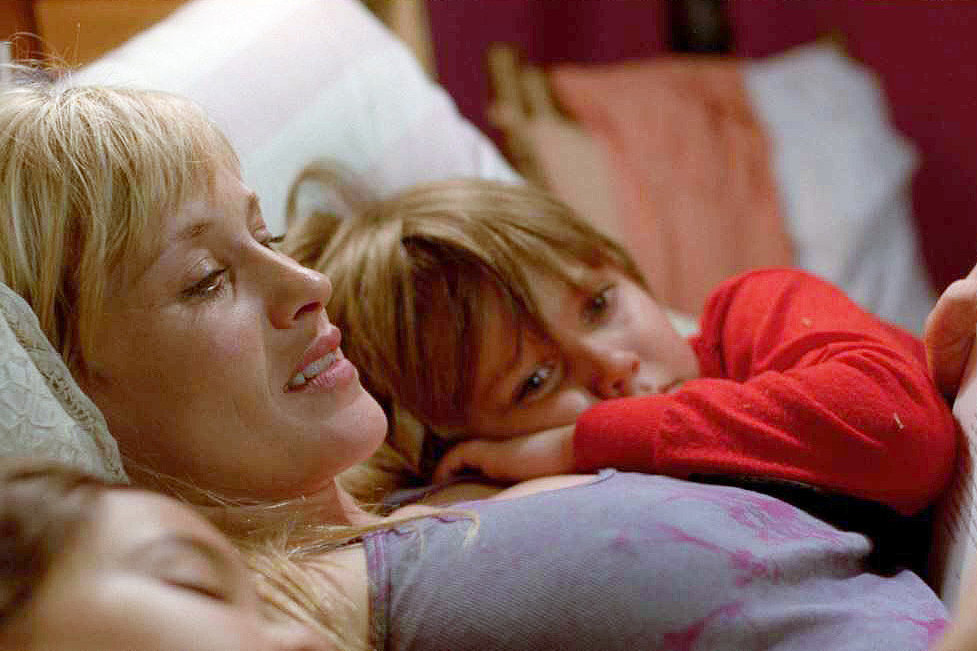
“If We Picked the Winners 2015: Best Supporting Actress”
The subtlety of [Patricia] Arquette’s performance is emblematic of [Richard] Linklater’s film as a whole. It sneaks up on you through a series of quiet moments—the prosaic stuff of daily life—until the scene when [Ellar] Coltrane’s Mason is packing his belongings to head off to college. Her “I just thought there would be more” speech—which Linklater has said was the hardest part of all to write—perfectly crystallizes the aching sensation that all of us as parents will experience some day.
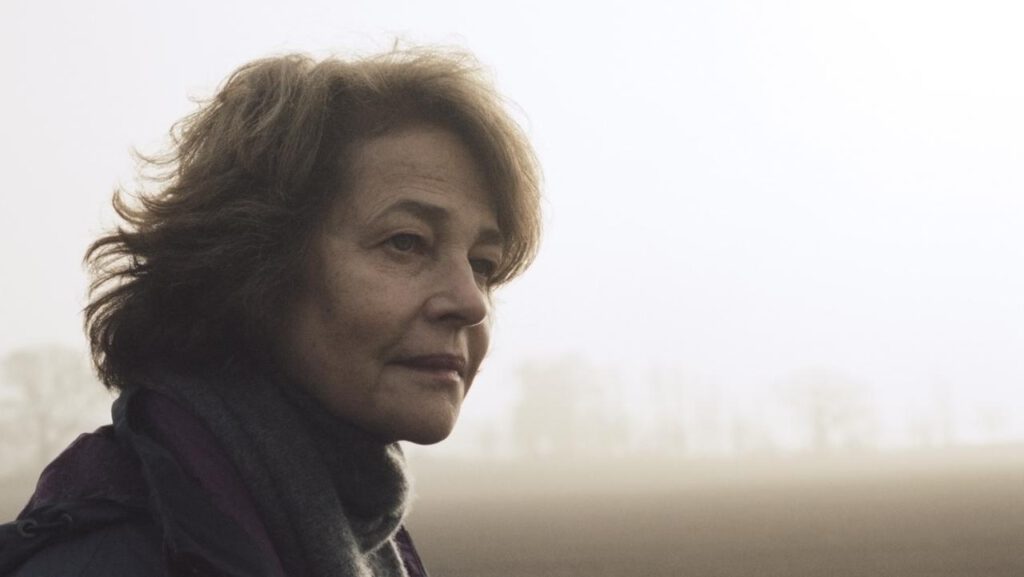
“If We Picked the Winners 2016: Best Actress”
[Charlotte] Rampling’s work in Andrew Haigh’s beautifully written and directed “45 Years” should stand the test of time as a performance for the ages. It’s the best we saw from a lead actress all year—and perhaps from any actor, period, regardless of gender.

“If We Picked the Winners 2017: Best Supporting Actress”
She has a couple of big monologues that will leave you in tears; the emotion that comes flowing like a torrent is so real, you can’t help but connect with it, even though you may have nothing in common with this very specific character in this very specific place and time.
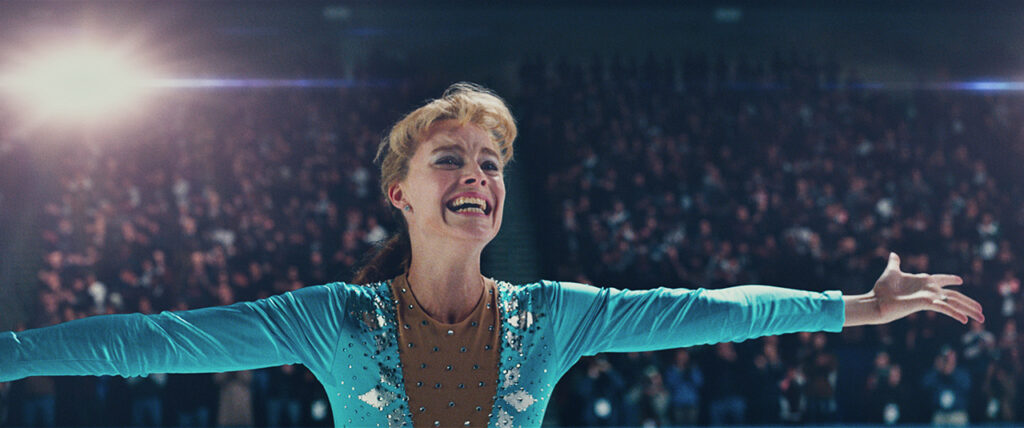
“A figure skating champion gives high marks to “I, Tonya””
Turns out, [Nicholas] LaRoche learned a thing or two from Margot Robbie’s acclaimed performance as the disgraced skating star: “I respect Tonya a lot more now because the image that was portrayed my whole life was very derogatory, and watching from the movie, what she lived and went through makes sense,” he said. “It makes me look at her differently.”

“If We Picked the Winners 2018: Best Director”
It slowly but surely becomes another kind of film entirely, one that’s darker and weirder than you ever could have imagined, and deliriously so. The way [Paul Thomas] Anderson sneaks in his brilliantly twisted sense of humor throughout the film—until it ultimately takes hold completely—is one of his hallmarks, and it’s one of the movie’s many strengths.
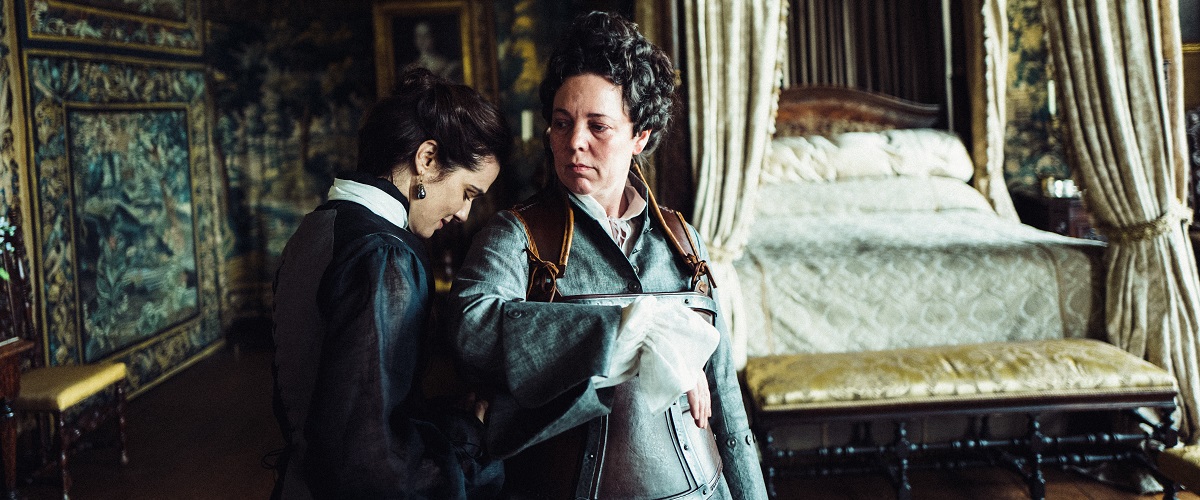
“Christy Lemire’s Top 10 Films of 2018”
“The Favourite” features towering performances from Olivia Colman as a mercurial and childlike Queen Anne and Rachel Weisz and Emma Stone as the conniving women competing to be her confidante. The costumes are lush and the camerawork is vibrant, and while the overall tone is deliciously mean, there’s also an undercurrent of sympathy that makes the film unexpectedly moving.”

“The Best Films of the 2010s: Mad Max Fury Road”
Furiosa’s ferocity has always been undeniable; what impresses on a repeat viewing is her tenderness. Everything she does – from taking the initial, major risk to veer off-course during her mission with Joe’s wives in tow to fixing her behemoth of a vehicle as it barrels across the desert under near-constant attack – comes from a place of generosity.

“Emerald Fennell on Promising Young Woman, responses to the film and more“
The 35-year-old is thoughtful, funny and expansive on a number of topics relating to her brash and insightful filmmaking debut. […] It’s one of my favorite movies of 2020, so I was thrilled to chat with [Emerald] Fennell about [Carey] Mulligan’s work, establishing a tricky tone between horror, drama and dark comedy, and the role of alcohol in telling women’s stories.
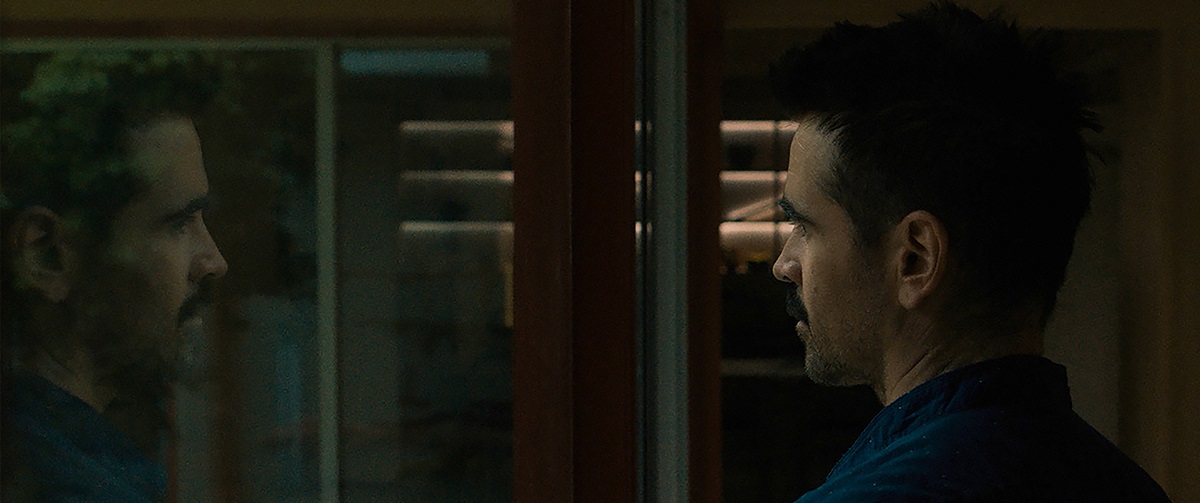
“Christy Lemire’s Overlooked Films of 2022”
Writer/director Kogonada’s follow-up to “Columbus” is just as sensitive and beautifully acted. He has a delicate touch when it comes to mood, and he creates an evocative sense of place within this domestic setting that’s recognizable yet otherworldly.
You can find all of Christy Lemire’s published work at RogerEbert.com on her contributor page.
from Roger Ebert https://ift.tt/MhmOXFv
.png)


